Contents:
- What Makes Flowers “Certified Organic”? (Featured Snippet)
- Why Choose Certified Organic Flowers?
- Health and Safety
- Environmental Benefits
- How to Spot Certified Organic Flowers
- Key Certification Seals
- Don’t Be Fooled by “Natural” or “Eco-Friendly”
- Organic vs. Conventional Flowers: Side-by-Side Comparison
- Where to Buy Certified Organic Flowers in the US
- National Online Retailers
- Local Flower Shops and Farmers’ Markets
- Subscription Services
- Price: Are Organic Flowers Worth the Extra Cost?
- Price Comparison Table (2026 Estimates)
- Common Certified Organic Flower Types in the US
- How to Keep Your Organic Flowers Looking Fresh
- FAQ: Certified Organic Flowers
- How can I verify a flower’s organic status?
- Are organic flowers better for people with allergies?
- Why are organic flowers more expensive?
- Can I find organic flowers year-round in the US?
- Are imported organic flowers as safe as US-grown?
- What’s Next for Organic Floristry?
Certified Organic Flowers – What to Look For
Imagine walking into your local flower shop and asking for a bouquet that’s stunning, fragrant, and safe enough to eat. In 2026, more Americans are demanding just that: certified organic flowers. The floral industry, once notorious for heavy pesticide use and environmental impact, is rapidly changing. But with green labels sprouting up everywhere, how do you actually pick a truly organic bouquet?
What Makes Flowers “Certified Organic”? (Featured Snippet)
Certified organic flowers are grown without synthetic fertilizers, pesticides, or genetically modified organisms, following strict USDA organic standards. To qualify, farms must be certified by an accredited agency, maintain detailed records, and undergo annual inspections. Look for labels like the USDA Organic seal or certifications from trusted bodies like Oregon Tilth or CCOF. These blooms are safer for pollinators, workers, and your home–no hidden chemicals or toxic residues.
Why Choose Certified Organic Flowers?
Gifting flowers is an age-old gesture, but traditional blooms often come with a hidden cost–chemical residues. According to the Pesticide Action Network, over 70% of cut flowers imported into the US tested positive for pesticide residues as recently as 2024. That’s not something you want near your dinner table or child’s birthday.
Health and Safety
- Safer handling: Organic flowers are free of harmful fungicides and insecticides common in imported stems.
- Allergy relief: Fewer chemicals means fewer potential irritants for sensitive noses.
- Pet- and kid-friendly: No toxic residues on petals or leaves.
Environmental Benefits
- Protects pollinators: Organic fields encourage the bees and butterflies we depend on.
- Clean water: No runoff of synthetic pesticides into American waterways.
- Healthy soils: Sustainable methods keep the earth fertile for generations.
Florist and organic farming consultant Melody Tran, founder of Chicago’s Wild Roots Collective, says:
“Every organic bouquet supports farming practices that heal the earth, not harm it. And you get flowers you can truly breathe in.”
How to Spot Certified Organic Flowers
Key Certification Seals
Look for these on labels, buckets, or websites:
- USDA Organic: The gold standard for American organics.
- Oregon Tilth Certified Organic: Especially common from West Coast growers.
- CCOF (California Certified Organic Farmers): Focused on California’s prolific flower farms.
- TransFair/Florverde: Fair Trade and sustainability seals, often paired with organic for imported options.
Don’t Be Fooled by “Natural” or “Eco-Friendly”
These terms aren’t regulated. Only “certified organic” guarantees synthetic pesticides and GMOs are off the table.
Quick Checklist for Authentic Organic Blooms:
- Certification seal present on packaging, signage, or website
- Florist or grower can provide certification details on request
- Farms listed in USDA Organic Integrity Database
- No strong chemical smell or residue on leaves/petals
Organic vs. Conventional Flowers: Side-by-Side Comparison
| Feature | Certified Organic | Conventional |
|---|---|---|
| Pesticide Use | None (syn. chemicals banned) | Up to 125 types (EPA data) |
| Worker Safety | High (no toxic exposure) | Often exposed to chemicals |
| Longevity in Vase | 5-7 days (avg) | 7-10 days (avg) |
| Price (USD per doz.) | $45-$65 | $20-$40 |
| Environmental Impact | Low (sustainable practices) | High (chemical runoff, GMOs) |
“Conventional bouquets often travel 2,000+ miles before reaching US shops, picking up chemical residues along the way,” says Dr. Ravi Kulkarni, horticulturist and soil scientist at UC Davis.
Where to Buy Certified Organic Flowers in the US
National Online Retailers
- The Bouqs Co.: Large organic and eco-certified collection, nationwide delivery (from $54/dozen).
- Farmgirl Flowers: US-grown options, with clear labeling of organic and sustainable sources.
- Bloomist: Boutique arrangements, wildcrafted and organic varieties.
Local Flower Shops and Farmers’ Markets
Ask directly about their sourcing. Many American florists now list local organic farms on their websites. Check for:
- Local Harvest: Lists farmers markets and organic growers by zip code.
- Slow Flowers Directory: Highlights American-grown, sustainable blooms.
Subscription Services
- Petal Express (Boston-based): Delivers certified organic bouquets biweekly throughout the Northeast.
- Hana USA: Specializes in organic, American-grown arrangements.
Price: Are Organic Flowers Worth the Extra Cost?
Certified organic bouquets are pricier–sometimes double or more than conventional. Why? Organic growers face higher labor costs (no cheap chemical shortcuts), smaller yields, and expensive annual certification fees (often $1,000+ per farm, per year). But you’re supporting safe jobs, cleaner soils, and flowers with no toxic secrets.
Price Comparison Table (2026 Estimates)
| Flower Type | Organic (USD) | Conventional (USD) |
|---|---|---|
| Roses, dozen | $60 | $35 |
| Tulips, dozen | $45 | $28 |
| Mixed bouquet | $65-$80 | $35-$50 |
Melody Tran notes:
“For occasions when flowers are front-and-center–weddings, family celebrations, get-well gifts–organic is worth every penny for peace of mind.”
Common Certified Organic Flower Types in the US
Not every flower is available organics-certified, but the choices are growing fast. As of 2026, the most common varieties include:
- Roses (multiple colors)
- Tulips (seasonal)
- Gerbera daisies
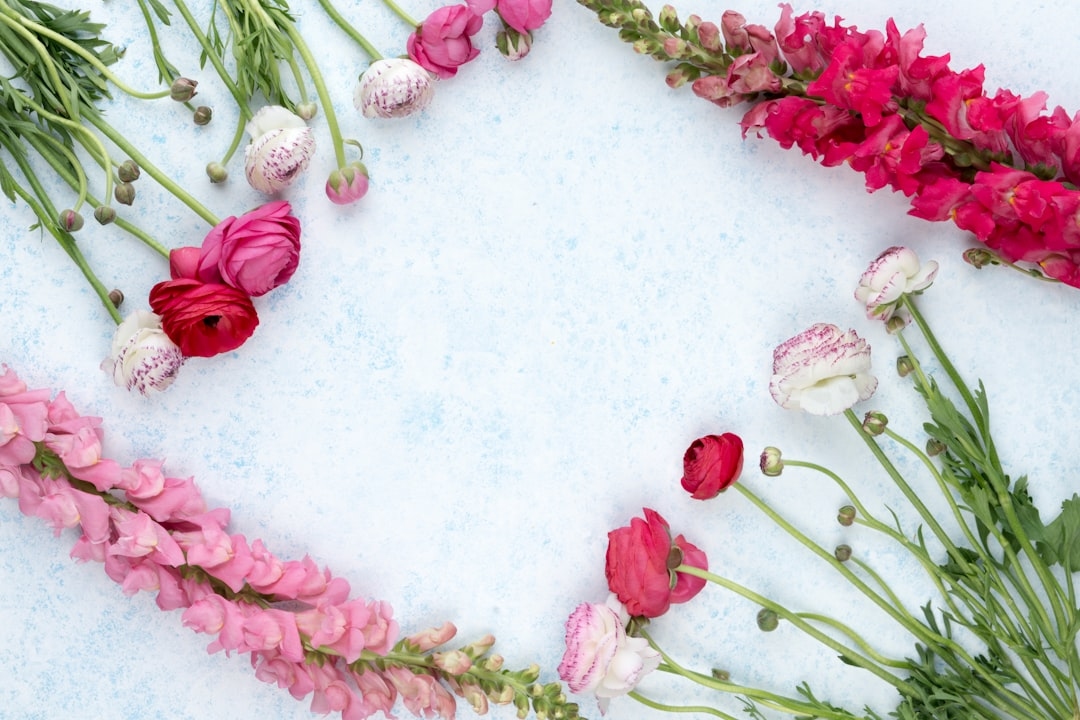
- Snapdragons
- Sunflowers
- Lilies (some certified, check allergen info)
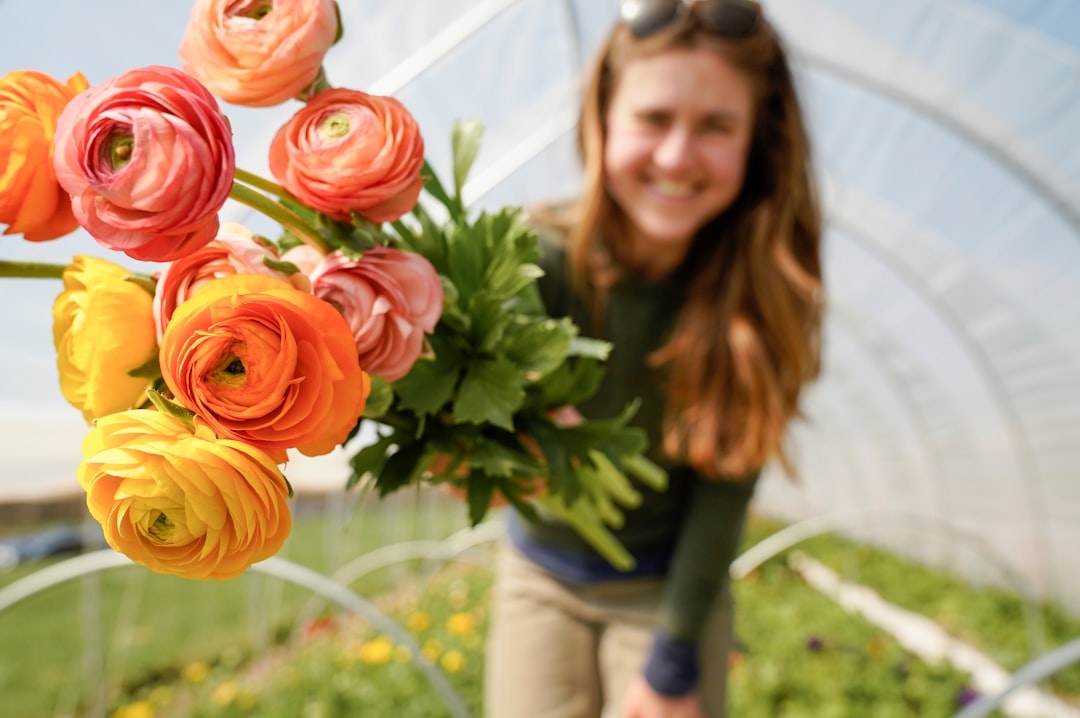
- Ranunculus and peonies (spring/early summer)
Specialty cultivars, tropicals, and unusual exotics are harder to find organic, but as demand grows, options keep expanding.
How to Keep Your Organic Flowers Looking Fresh
Without synthetic preservatives, organic flowers can be more delicate. Follow these tips:
- Change the water daily.
- Trim stems at a slant with clean scissors.
- Remove leaves below the waterline.
- Keep out of direct sunlight and away from fruit bowls (ethylene gas wilts blooms).
- Use packets of organic flower food if offered by your florist.
Tip: Some shops (like The Bouqs Co.) offer organic flower care kits with every purchase.
FAQ: Certified Organic Flowers
How can I verify a flower’s organic status?
Ask your florist for certification details or check the USDA Organic Integrity Database. True certified organic flowers will be listed with accredited agencies.
Are organic flowers better for people with allergies?
Yes, because they contain fewer chemical residues and synthetic fragrances, organic flowers reduce risk for chemically sensitive individuals. However, some natural pollens or scents may still trigger allergies.
Why are organic flowers more expensive?
Higher labor costs, organic certification fees, and smaller yields make organic bouquets pricier. You’re paying for safer, more sustainable production.
Can I find organic flowers year-round in the US?
Availability peaks in spring and summer, but greenhouses and US-based delivery services now offer core varieties (roses, lilies, tulips) through most of the year.
Are imported organic flowers as safe as US-grown?
Imported organic blooms can be just as safe if certified by recognized bodies (like USDA, CCOF, or Fair Trade). Always ask your florist about the source and certification.
What’s Next for Organic Floristry?
Americans are expected to spend $3.9 billion on organic flowers in 2026–a 60% jump from 2021. Watch for more local options, expanded organic wedding florals, and even edible bouquets from urban farms. Next time you buy flowers, ask for certified organic. It’s a simple way to treat yourself (and the planet) with every petal.
Try swapping a conventional bouquet for an organic one this month. Notice the difference. Share your experience with your favorite local shop–and watch demand (and options) keep blooming.