Contents:
- Why Flower Choice at a Funeral Actually Matters
- The Most Meaningful Funeral Flowers — and What They Say
- White Lilies — Peace and the Soul’s Journey
- Chrysanthemums — Loyalty and Long Life
- Roses — Love in Every Shade
- Carnations — Affordable and Deeply Symbolic
- Gladioli — Strength and Moral Integrity
- Orchids — Eternal Love and Respect
- Regional Differences: Northeast vs. South vs. West Coast
- Northeast (New York, Massachusetts, Connecticut, Pennsylvania)
- South (Georgia, Tennessee, Louisiana, Texas, Florida)
- West Coast (California, Oregon, Washington)
- A Seasonal Guide to Funeral Flowers
- What to Avoid When Sending Funeral Flowers
- Frequently Asked Questions
- What is the most common flower sent to a funeral in the U.S.?
- Is it appropriate to send flowers to a funeral if you can’t attend in person?
- What flowers should I avoid at a Jewish funeral?
- Are there budget-friendly sympathy flower options that still look beautiful?
- Can I send a potted plant instead of cut flowers?
- Sending the Right Tribute
Choosing flowers for a funeral feels surprisingly hard. You want to say something meaningful — grief, love, respect — but you’re staring at a website at midnight, unsure whether lilies are too cliché or if roses even belong at a memorial. You’re not alone in that uncertainty. The good news is there’s a logic to funeral flowers, and once you understand what each bloom carries with it, the choice becomes far less overwhelming and far more personal.
The most widely sent funeral flowers in the U.S. are white lilies, chrysanthemums, roses, carnations, and gladioli. White and soft pastel tones dominate sympathy arrangements because they communicate purity, peace, and reverence. When in doubt, a white lily or mixed sympathy bouquet is appropriate for nearly any service, religion, or region.
Why Flower Choice at a Funeral Actually Matters
Flowers at a funeral do real emotional work. They soften a room that can feel unbearably still. They give mourners something living and beautiful to look at. And for the family receiving them, each arrangement is a visible, tangible sign that someone cared enough to show up — even from a distance.
That’s not a small thing. In 2026, with so many people spread across the country and unable to attend services in person, sending flower bouquets delivery has become one of the most common and heartfelt ways to express condolences. The flower you choose carries the message your words sometimes can’t.
The Most Meaningful Funeral Flowers — and What They Say
White Lilies — Peace and the Soul’s Journey
Stargazer and Casa Blanca lilies are the gold standard of funeral flowers in America. Their large, open blooms and clean white color have long symbolized the restored innocence of the soul and the peace of the afterlife. They’re especially common at Christian services, where their association with resurrection makes them deeply resonant. If you can only send one thing and you’re not sure of the family’s preferences, white lilies are almost never wrong.
Chrysanthemums — Loyalty and Long Life
In the U.S., chrysanthemums (“mums”) appear in fall funeral arrangements naturally, both for their seasonal availability and their cultural association with remembrance. They’re sturdy, long-lasting, and come in a range of whites and creams that suit a mourning palette. In many European countries, mums are strictly for funerals — but in America they carry a softer association: enduring love and loyalty to someone who has passed.
Roses — Love in Every Shade
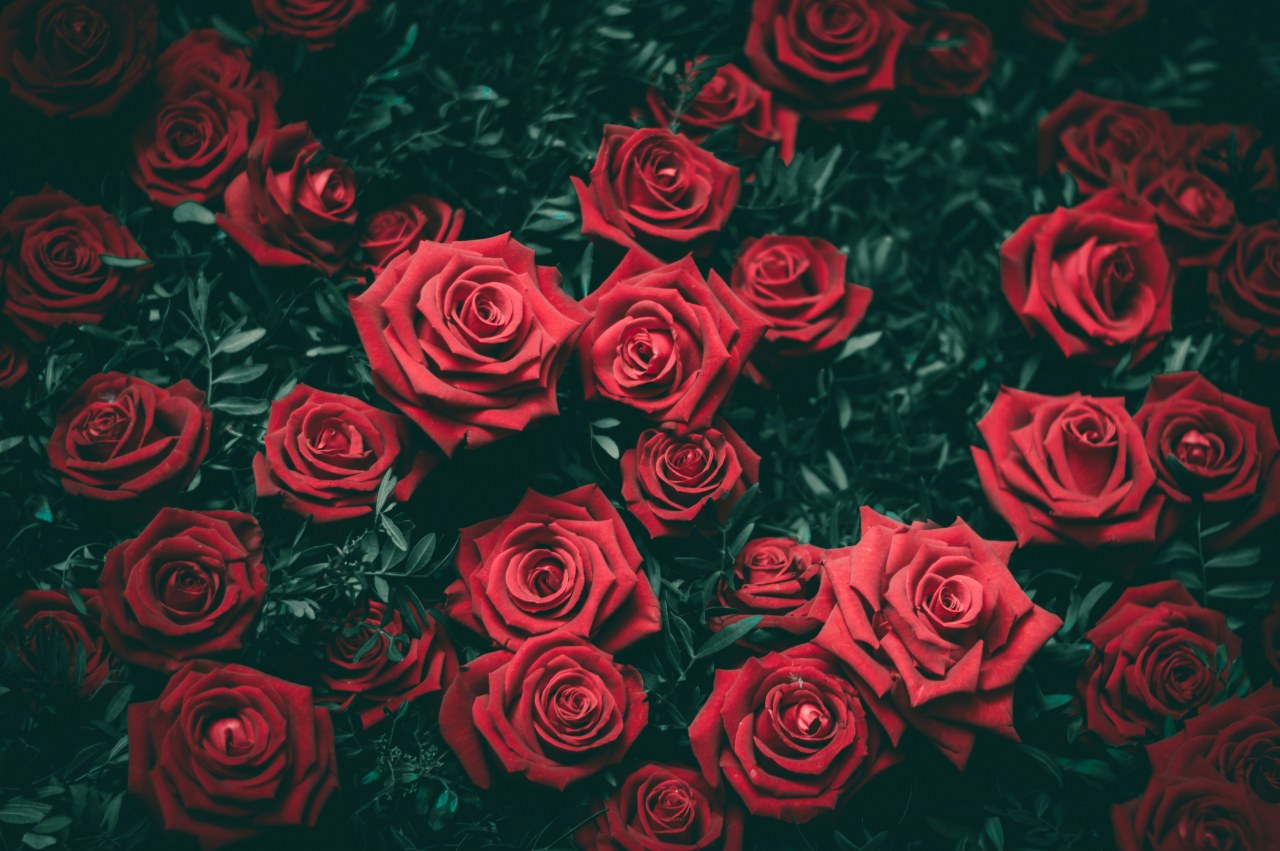
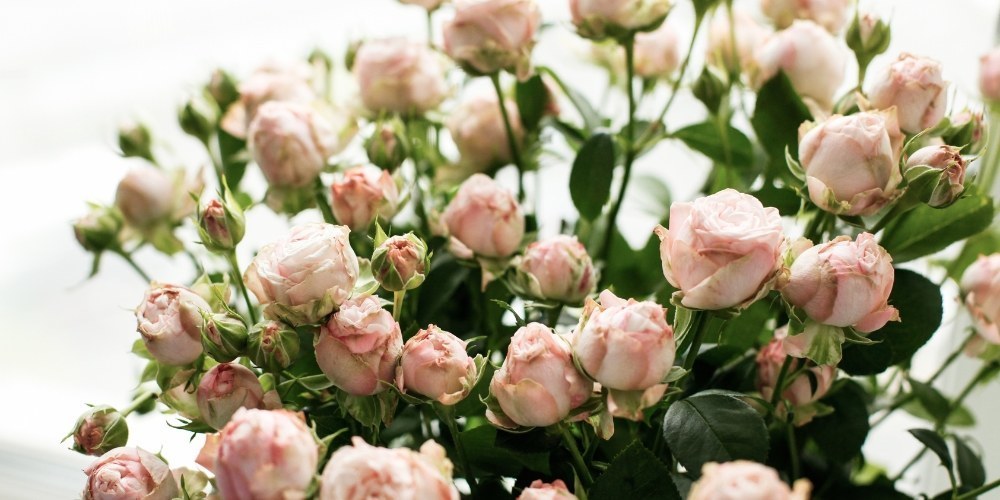
Roses communicate emotion through color, and at a funeral, color selection matters. White roses say purity and remembrance. Red roses are reserved for a romantic partner or deeply beloved family member. Pink roses express grace and admiration. Yellow roses, popular in the South and Southwest, signal friendship and warmth. Avoid bright orange or multicolored novelty roses — they tend to read as celebratory rather than solemn.
Carnations — Affordable and Deeply Symbolic
Carnations are the underrated heroes of sympathy flowers. They last longer than most cut flowers, hold their shape beautifully in large arrangements, and carry layered symbolism: white carnations represent pure love and innocence; pink carnations express remembrance; red carnations say “my heart aches for you.” For budget-conscious families or senders, carnations offer real emotional weight at a fraction of the cost of roses or orchids. Explore arrangements under $200 at https://mypeonika.com/collections/flower-under-200 — many beautifully balanced sympathy pieces fall in this range.
Gladioli — Strength and Moral Integrity
Tall, dramatic, and stately, gladioli (or “glads”) have graced funeral arrangements for generations. Their towering form fills standing sprays and casket arrangements naturally, and their symbolism — strength of character, sincerity, remembrance — makes them a fitting tribute for someone who lived a life of principle. They’re especially popular in formal, traditional services.
Orchids — Eternal Love and Respect
White and lavender orchids have become an increasingly popular choice for contemporary memorial services. They communicate eternal love and deep respect, and their exotic beauty feels both refined and personal. Potted orchids are also a meaningful choice when you want to send something the family can keep alive and growing — a living reminder of the person they’ve lost.
Regional Differences: Northeast vs. South vs. West Coast
Funeral flower customs vary meaningfully across the U.S., and knowing the regional norms can help you send something that truly fits the moment.
Northeast (New York, Massachusetts, Connecticut, Pennsylvania)
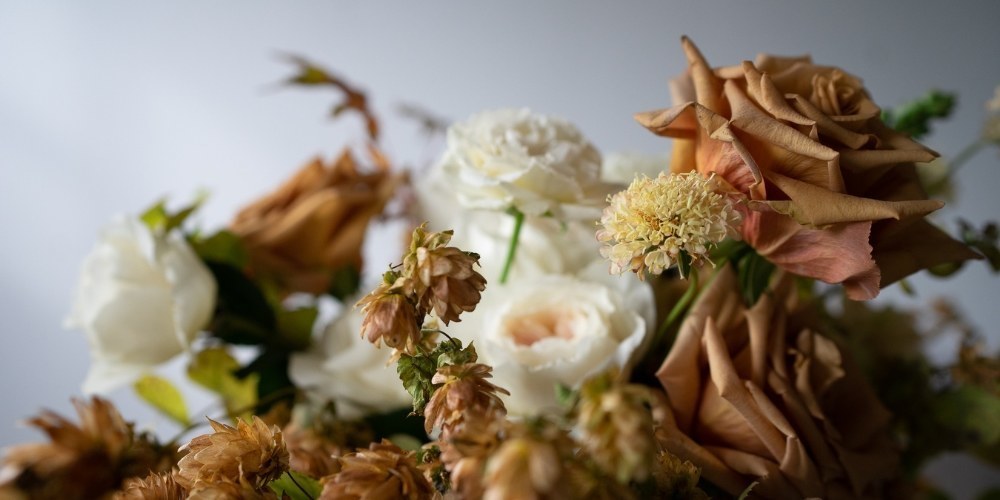
The Northeast leans toward formal, structured arrangements — standing sprays, symmetrical wreaths, and large mixed baskets in white, cream, and soft green. Lilies and roses dominate. Many families in this region also appreciate sympathy plants (peace lilies, potted orchids) that can be taken home after the service. Jewish communities, which are numerous in this region, traditionally avoid flowers at graveside services, so a fruit basket or charitable donation may be more appropriate.
South (Georgia, Tennessee, Louisiana, Texas, Florida)
Southern funeral culture is known for its generosity and warmth, and that extends to flowers. Arrangements tend to be abundant, colorful (though still respectful), and fragrant. Yellow roses, bright carnations, and large gladiolus sprays are all common. In Louisiana and parts of coastal Florida, vibrant tropical blooms like birds of paradise occasionally appear alongside traditional whites. If you’re sending funeral flowers Miami Florida or elsewhere in the deep South, a full, generous arrangement with mixed blooms reads as the most heartfelt tribute.
West Coast (California, Oregon, Washington)
West Coast funeral aesthetics have shifted toward the organic and natural over the past decade. Wildflower-style arrangements, garden roses, eucalyptus, and greenery-forward designs are increasingly preferred over formal sprays. Eco-conscious families may prefer potted plants or seed packets. Colors tend toward dusty mauve, blush, sage, and soft white rather than stark ivory or bright red. The overall vibe is warm, personal, and less ceremony-bound than traditional East Coast styles.
A Seasonal Guide to Funeral Flowers
Sending flowers that are in season ensures they arrive looking their freshest — and often costs less, since florists aren’t importing out-of-season blooms at a premium.
- Winter (December–February): White amaryllis, paperwhites, holly sprays, forced tulips, and orchids are at their peak. Amaryllis in particular makes a stunning, sculptural sympathy arrangement.
- Spring (March–May): Tulips, hyacinths, peonies, ranunculus, and lilac branches arrive in abundance. A spring sympathy arrangement can feel especially hopeful and tender — perfect for honoring a life well-lived.
- Summer (June–August): Roses, dahlias, lisianthus, and sunflowers are in full supply. Sunflowers may feel too cheerful for some services, but when the deceased loved them personally, they make a deeply meaningful tribute.
- Fall (September–November): Chrysanthemums, marigolds, zinnias, and autumn-toned roses define the season. Marigolds carry particular significance in Latino communities around Día de los Muertos (late October–early November) and are a respectful choice when honoring someone from that cultural background.
What to Avoid When Sending Funeral Flowers
A few practical notes that can save you from an unintentional misstep:
- Avoid strongly scented flowers in large quantities — lilies are fragrant but beloved; overly perfumed arrangements in a closed funeral home can feel overwhelming.
- Skip novelty arrangements (hearts made of red roses, for example) unless you knew the deceased extremely well and they would have loved the gesture.
- Check religious customs first. Some faiths (certain Buddhist, Hindu, and Jewish traditions) have specific guidelines about flowers at services. When in doubt, a simple white arrangement or a potted plant is universally appropriate.
- Don’t send flowers to a graveside-only service without confirming they’re welcome — some families prefer donations to a charity in the deceased’s name.
Frequently Asked Questions
What is the most common flower sent to a funeral in the U.S.?
White lilies are the single most common funeral flower in America. They’re followed closely by carnations, roses, and chrysanthemums. White or cream-toned flowers are almost universally appropriate regardless of the service type.
Is it appropriate to send flowers to a funeral if you can’t attend in person?
Absolutely, and it’s one of the most thoughtful things you can do. Sending flowers directly to the funeral home or the family’s home in the days following the service shows that distance didn’t diminish your care. Many online florists now offer same-day or next-day delivery specifically for sympathy orders.
What flowers should I avoid at a Jewish funeral?
Traditional Jewish mourning customs discourage flowers at the funeral and during the shiva period. A fruit basket, a meal delivery, or a donation to a charity in the deceased’s name is generally more culturally appropriate. If you want to send something green and living, a small potted plant may be welcomed by the family at home.
Are there budget-friendly sympathy flower options that still look beautiful?
Yes — carnations, alstroemeria, and seasonal blooms offer tremendous visual impact at a lower price point than roses or orchids. A well-designed arrangement using these flowers can look every bit as generous and heartfelt as a more expensive bouquet. The craftsmanship and care in the design matter more than the per-stem cost of the flowers.
Can I send a potted plant instead of cut flowers?
A potted plant is a wonderful alternative to cut flowers, especially for the family’s home. Peace lilies, orchids, and small ferns are popular choices. Unlike cut flowers, a plant lives on — many families find real comfort in tending to something that was sent with love after a loss.
Sending the Right Tribute
There’s no single “correct” funeral flower — the right choice depends on the person you’re honoring, the family receiving it, the region, the season, and your own relationship to the loss. What matters most is the intention behind the gesture: that you took the time to think about it, to choose something meaningful, and to send your care across whatever distance separates you from those who are grieving. A beautiful, thoughtfully chosen arrangement does exactly that — quietly, elegantly, and without needing any words at all.