Contents:
- Quick Answer: Why Are Grocery Store Bouquets Marked Up So Much?
- What Goes Into the Cost of a Grocery Store Bouquet?
- Sourcing and Transportation
- Processing and Labor
- Display, Refrigeration, and Waste
- Comparison: Grocery Store Bouquets vs. Florist Arrangements
- Why Not Just Buy from a Florist?
- Breaking Down the Markup: Where Each Dollar Goes
- The High Cost of “Shrink”
- Why Do Markups Vary Between Stores?
- The Impulse Buy Factor and Convenience Markup
- Alternatives for Budget-Conscious Flower Lovers
- FAQ: The Markup on Premade Grocery Bouquets
- How much is the typical markup on grocery store flowers?
- Why are flowers more expensive around holidays?
- Are grocery store flowers lower quality than florist flowers?
- How can I save money on flowers without sacrificing quality?
- Do stores lose money on unsold flowers?
The Markup on Premade Grocery Bouquets Explained
Squeezing a $19.99 mixed bouquet into your shopping cart at Trader Joe’s or Safeway feels like a small luxury–a splash of color and fragrance on your kitchen table for less than the price of two movie tickets. But have you ever wondered how a tight bundle of carnations, mums, and lilies winds up costing nearly twenty bucks, when a similar handful at a flower market might barely break a ten? The answer is as layered as a rose, and for 2026, it matters more than ever.
Quick Answer: Why Are Grocery Store Bouquets Marked Up So Much?
Grocery store premade bouquets are usually marked up by 200-300% compared to their wholesale cost. A bouquet that costs the store $5-$7 to create is typically sold for $15-$25. The markup covers importing, refrigeration, labor, shrink (waste), packaging, and profit for both the grocery chain and the floral supply companies involved. The convenience and impulse-buy nature of grocery store flowers means higher prices than wholesale or local farmers markets.
What Goes Into the Cost of a Grocery Store Bouquet?
Premade bouquets in grocery stores are more than just a handful of flowers–each stem passes through a vast network of growers, brokers, shippers, and floral departments before landing in that display cooler.
Sourcing and Transportation
Nearly 80% of cut flowers sold in the US are imported, according to the USDA Floriculture Crops Summary (2024). Most arrive from Colombia or Ecuador, where labor and land costs are lower. But shipping them–often by refrigerated air and truck–adds significant cost. Dr. Rachel Munro, a horticultural economist at Michigan State, notes that “shipping alone typically adds $1.50-$2 per bouquet.”
Processing and Labor
Once flowers arrive stateside, they’re sorted, trimmed, and arranged–sometimes in massive floral distribution centers (think: Armellini, The Queen’s Flowers) or in the back room of your local Kroger. Labor, floral preservatives, buckets, and water all add up.
Display, Refrigeration, and Waste
Flowers are perishable. Every day a bouquet sits unsold, its value drops. Grocery stores report shrink (waste) rates as high as 40% on florals, according to Floral Marketing Fund’s 2025 survey. This built-in risk is factored into the price: you’re paying for the stems that never sell, too.
“A flower might travel 3,000 miles and pass through five pairs of hands before you see it in your store,” says Jennifer Lee, AIFD-certified florist and grocery floral advisor.
Comparison: Grocery Store Bouquets vs. Florist Arrangements
| Aspect | Grocery Store Bouquets | Local Florist Arrangements |
|---|---|---|
| Typical Price | $10-$25 | $35-$75+ |
| Customization | None, premade | Full customization |
| Stem Quality | Standard, often mass-produced | Higher, often fresher selection |
| Packaging | Cellophane, basic wrap | Vase or specialty packaging |
| Flower Variety | Limited, seasonal | Wide, can request exotics/rare |
| Delivery Options | Rare, DIY | Delivery, event setup available |
Why Not Just Buy from a Florist?
Florists offer fresher flowers, customized designs, and personal service–but at a higher price. You’re paying for expertise and artistry, as well as fresher, often locally sourced blooms. Some florists, like Teleflora or UrbanStems, even partner with local growers for same-day delivery.
Breaking Down the Markup: Where Each Dollar Goes
The $19.99 bouquet doesn’t just vanish into corporate pockets. Here’s a rough breakdown of where your money goes:
- Wholesale Flowers: $5.00
- Shipping & Import Fees: $2.00
- Labor (arranging/wrapping): $2.00
- Packaging (cellophane, ribbons): $1.00
- Refrigeration & Display Loss: $4.00
- Store Overhead & Profit: $5.99
These numbers, based on 2026 data from the National Retail Florists Alliance, are averages. The actual percentages fluctuate depending on store size, location, and supplier contracts.
The High Cost of “Shrink”
Shrink is retail lingo for product that doesn’t sell before it spoils. For flowers, this is an especially thorny problem. If a store has to toss nearly half its bouquets unsold every week, the cost of those lost flowers gets baked into the markup for the survivors. You’re not just buying flowers–you’re helping the store stay afloat despite the loss.
Why Do Markups Vary Between Stores?
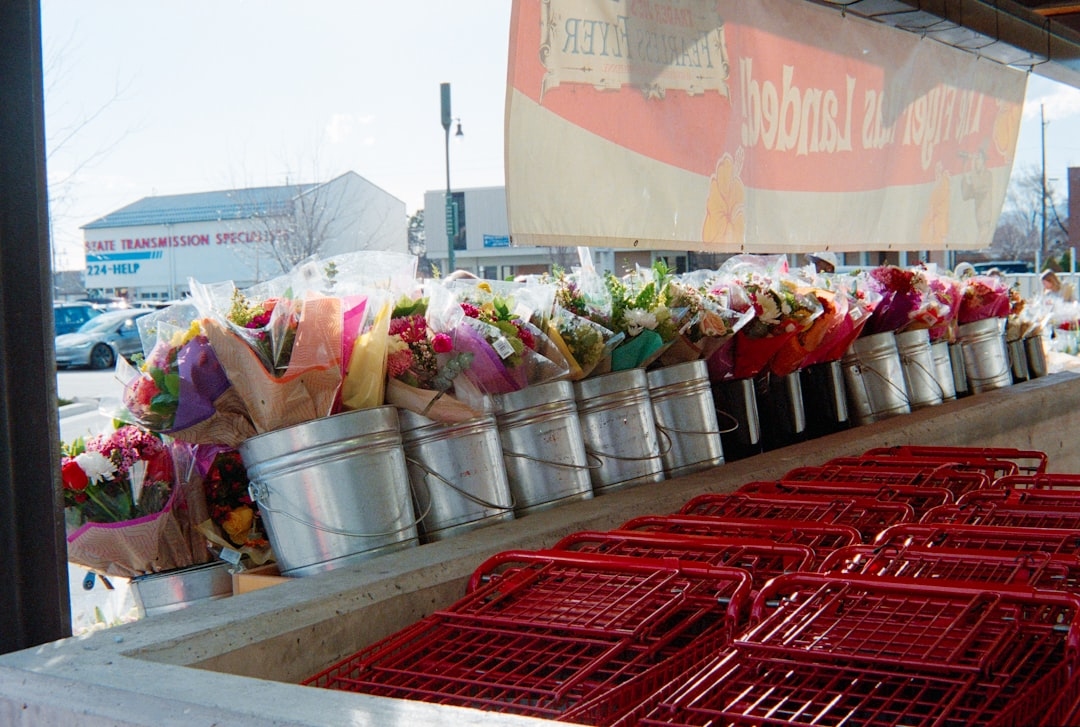
Not all grocery bouquets have the same markup. Several factors come into play:
- Store Brand: Trader Joe’s and Costco often have lower markups (sometimes as low as 100-150%) because they move inventory quickly and buy in bulk. Safeway, Ralphs, and Kroger are usually higher.
- Location: Bouquets cost more in city centers or affluent suburbs, sometimes hitting $30-$40 for a basic arrangement.
- Seasonality: Prices spike around peak floral holidays–Valentine’s Day, Mother’s Day, Easter–with markups reaching 400% or more during high demand.
The Impulse Buy Factor and Convenience Markup
Grocery stores know most shoppers don’t arrive with flowers on their list. Those bright displays near the checkout are designed for last-minute gifting or a little self-indulgence. According to a 2025 Progressive Grocer report, 68% of grocery floral sales come from impulse buys.
You’re paying for the convenience of grabbing flowers along with eggs and milk, no extra trip required. That premium is reflected in the price tag.
Alternatives for Budget-Conscious Flower Lovers
Feel like the markup on grocery bouquets is a raw deal? Here’s how to snag fresher blooms for less:
- Visit a Farmers Market. Local growers often sell direct, usually at lower prices and with longer-lasting flowers.
- Check Out Wholesale Clubs. Costco and Sam’s Club sometimes sell bulk flowers (big bunches, no frills) for events or home use.
- Grow Your Own. Even a few pots of zinnias or dahlias on a balcony can provide weekly color for pennies.
- Shop Ethnic or Specialty Grocers. Asian and Latin markets sometimes offer flowers at much lower prices than mainstream grocers.
- Buy Flowers Online (Direct). Some online services ship farm-fresh bouquets directly, skipping retail overhead. Bouqs and Farmgirl Flowers are popular for 2026.
FAQ: The Markup on Premade Grocery Bouquets
How much is the typical markup on grocery store flowers?
Grocery store flowers typically carry a markup of 200-300% over wholesale cost. For example, a bouquet that costs the store $6 to purchase and arrange is usually sold for $18 to $24.
Why are flowers more expensive around holidays?
Florists and grocery stores raise prices around floral holidays due to increased demand and limited supply. Shipping and labor costs also spike during these periods, leading to markups as high as 400%.
Are grocery store flowers lower quality than florist flowers?
Generally, yes. Grocery bouquets are mass-produced, handled by more intermediaries, and often spend longer in transit. Local florists can offer fresher, more varied blooms and customized arrangements.
How can I save money on flowers without sacrificing quality?
Shop at farmers markets, wholesale clubs, or specialty grocers. You can also buy directly from online farm-to-door services or consider growing your own cut flowers for regular fresh arrangements.
Do stores lose money on unsold flowers?
Yes, unsold flowers (shrink) are a major cost for grocery stores. Losses from unsold bouquets get factored into the price of those that do sell, contributing to the higher markup.
A single grocery bouquet carries the fingerprints of a global industry–and a tangle of costs, risks, and clever psychology. Next time you pick up a bunch at the supermarket, you’ll know exactly what you’re paying for–convenience, yes, but also a hidden tale of travel, labor, and the price of beauty on demand. If you want more flower for your buck in 2026, try mixing grocery stems with market flowers or even a few homegrown sprigs. Your table (and your wallet) will thank you.