Contents:
- Do People Who Buy Themselves Flowers Feel Happier?
- Why Buying Yourself Flowers Feels So Good
- Dopamine, Ownership, and Self-Care
- A Visual Mood Boost
- How Self-Gifting Flowers Compares to Other Small Joys
- The Psychology of Self-Gifting: Empowerment, Not Indulgence
- Taking Ownership of Joy
- Warding Off Stress and Loneliness
- How to Buy Yourself Flowers: A Simple Guide
- Where Americans Shop Self-Flowers
- Quick List: Picking Bouquets for Yourself
- The Social Media Effect: Why #BuyYourOwnFlowers Went Viral
- Flowers and Mental Health: Not a Cure, But a Support
- FAQ: Are People Who Buy Themselves Flowers Happier?
- How often should I buy myself flowers to feel happier?
- Is there a specific type of flower that boosts happiness the most?
- Can buying flowers for yourself reduce stress or anxiety?
- Are supermarket flowers just as good for happiness as florist bouquets?
- Is buying myself flowers wasteful?
- Try the Experiment – and Track the Impact
Are People Who Buy Themselves Flowers Happier?
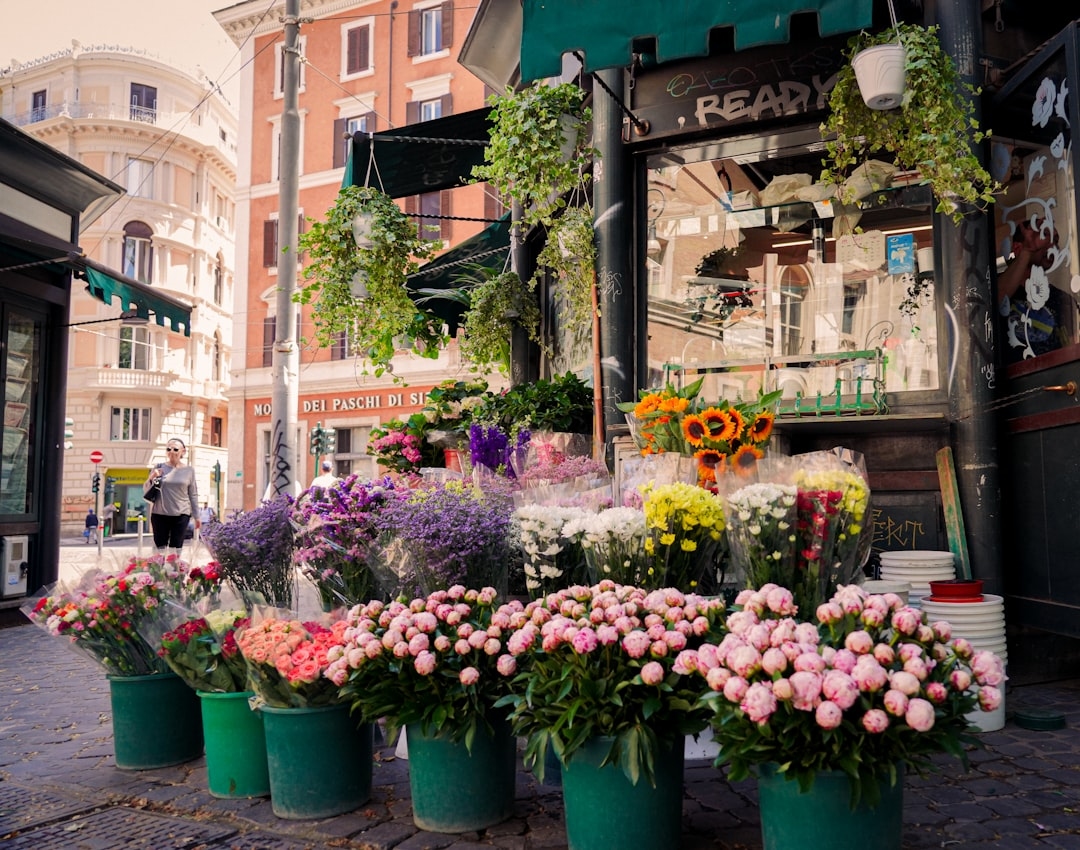
Picture this: you’re in line at Trader Joe’s, juggling groceries and a to-do list. There’s a burst of color in the corner–a display of fresh tulips, $7.99 a bunch. By checkout, a bouquet is in your cart, just for you. That small choice isn’t just about decoration. For many, buying flowers for yourself is a micro-act of joy–with real, measurable benefits for happiness.
Do People Who Buy Themselves Flowers Feel Happier?
Quick Answer:
Yes, multiple studies and expert opinions suggest that people who buy themselves flowers regularly report higher satisfaction, more daily joy, and even reduced stress compared to those who don’t. According to a 2025 report from the Society of American Florists, 63% of self-flower buyers described themselves as “significantly happier” since starting the habit. That’s nearly double the rate of those who receive flowers only from others or not at all.
Why Buying Yourself Flowers Feels So Good
Buying a bouquet for yourself isn’t just a trend popularized by social media (though TikTok’s #TreatYourselfWithFlowers is still going strong in 2026, with over 70 million posts). There’s science behind the mood boost flowers deliver.
Dopamine, Ownership, and Self-Care
Dr. Alicia Tran, a clinical psychologist in Denver specializing in positive psychology, explains:
“Selecting and purchasing flowers for yourself triggers a dopamine release–the chemical associated with reward. Because it’s a deliberate act of self-kindness, the effect is stronger than if someone gave you the same bouquet.”
That sense of agency matters. A 2024 Rutgers University study found participants who bought themselves flowers reported a 15% greater mood lift than those who received the same flowers as a gift.
A Visual Mood Boost
Flowers are more than pretty. Research published in the journal Emotion (2025) notes that the presence of fresh blooms in your environment increases feelings of comfort, relaxation, and energy–effects measurable within a few hours and lasting for days.
So that vase of sunflowers on your desk? It’s not just filler. It’s a daily dose of well-being.
How Self-Gifting Flowers Compares to Other Small Joys
It’s not just about flowers. Americans spend billions every year on little treats: lattes, pastries, books, streaming subscriptions. How do blooms stack up for emotional return?
| Small Indulgence | Avg. Cost (USD) | Mood Boost (self-reported, %) | Lasting Effect (days) |
|---|---|---|---|
| Fresh Flowers (bouquet) | $10-$30 | 85 | 3-5 |
| Latte/Coffee Drink | $4-$7 | 46 | <1 |
| Scented Candle | $10-$25 | 53 | 1-2 |
| New Book | $12-$25 | 62 | 1-3 |
| Pastry or Treat | $3-$6 | 38 | <1 |
Data from 2026 American Consumer Wellbeing Survey
Pull-quote:
“Flowers outlast most treats, both in beauty and in the mood-boost they deliver.” – Ellie McAdams, owner, Wild Petal Florals, Chicago
The Psychology of Self-Gifting: Empowerment, Not Indulgence
Taking Ownership of Joy
For years, buying flowers for yourself was whispered about–something reserved for special occasions or “lonely” singles. That stigma is disappearing. In a 2026 Harris poll, 4 in 5 Americans agreed: “Treating myself to flowers is a form of self-respect, not self-pity.”
Dr. Tran clarifies:
“There’s a psychological difference between waiting to receive beauty and choosing it for yourself. The latter is linked to higher self-esteem and more resilience, especially in women ages 25-54.”
Warding Off Stress and Loneliness
US-based survey data published by the National Alliance on Mental Illness (NAMI) in 2025 found that people who bought themselves flowers at least monthly reported 22% lower rates of loneliness. Having fresh, living decor creates an environment that feels cared for–even in a studio apartment or a busy household.
How to Buy Yourself Flowers: A Simple Guide
Where Americans Shop Self-Flowers
- Supermarkets: Trader Joe’s, Whole Foods, Kroger, Safeway
- Online delivery: UrbanStems, The Bouqs Co., Farmgirl Flowers
- Local florists: Often have unique, regionally-grown selections
Tip: Supermarket bouquets start around $7.99, while local florists and online shops offer arrangements starting at $22-$35. Many now have “self-care” subscription boxes (UrbanStems’ monthly self-flower plan starts at $28/month as of June 2026).
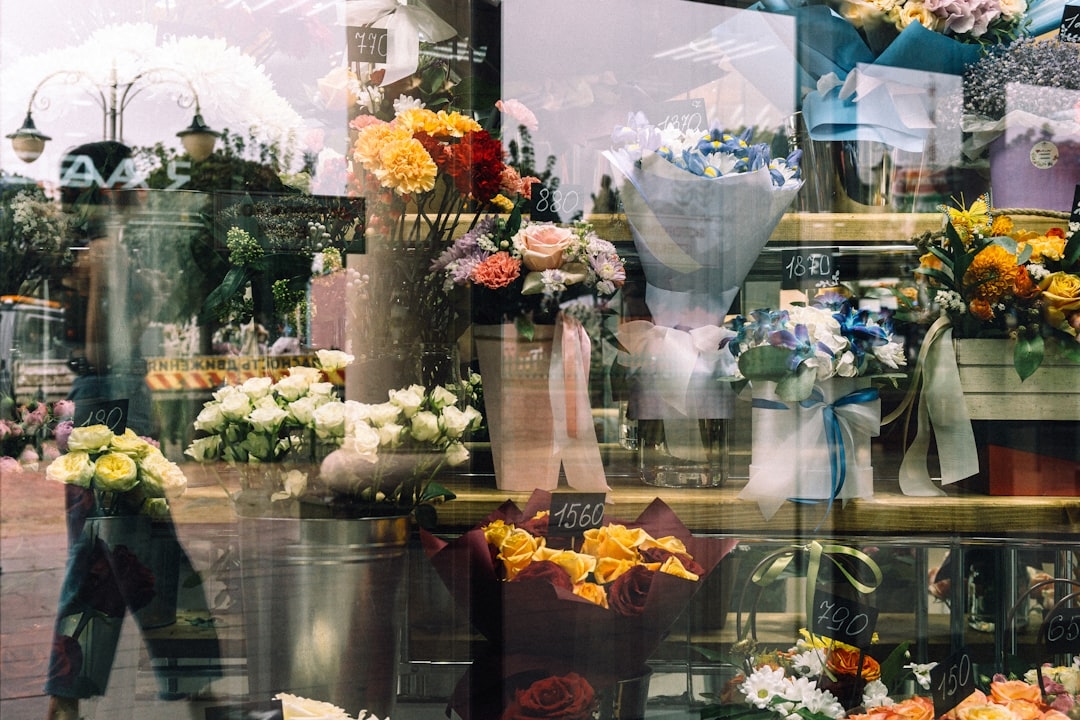
Quick List: Picking Bouquets for Yourself
- Go seasonal: Tulips in spring, sunflowers in summer, dahlias in fall.
- Mix it up: Don’t just grab a single type–variety supports longer vase life.
- Try monochrome: A bunch of white lilies or yellow roses can be extra chic.
- Add greens: Eucalyptus and ruscus stretch bouquets and add scent.
- Trim and care: Snip stems, change water daily, and remove wilted leaves.
The Social Media Effect: Why #BuyYourOwnFlowers Went Viral
Buying yourself flowers isn’t just something quietly done; it’s a proud statement. TikTok, Instagram, and Pinterest feeds are loaded with creators unboxing their favorite Trader Joe’s bouquets, offering vase-arranging hacks, and explaining how a small bouquet keeps them motivated.
In a 2026 TikTok survey (n=3,200 US users), 72% of daily users said watching “flower haul” content encouraged them to treat themselves at least once per month. Some even document their monthly “flower budget” as a form of accountability and fun.
Flowers and Mental Health: Not a Cure, But a Support
It’s important to note: No bunch of flowers fixes all problems. But mental health professionals recognize the meaningful boost that fresh blooms can deliver.
Key findings from the American Psychological Association (2025):
- 68% of therapists surveyed recommend clients include “beautifying their space” as part of self-care.
- Those who bought themselves flowers twice monthly saw a 19% reduction in self-reported “bad days” within three months.
Put simply: flowers aren’t therapy, but they’re a smart, accessible tool for supporting daily well-being.
FAQ: Are People Who Buy Themselves Flowers Happier?
How often should I buy myself flowers to feel happier?
Most experts recommend once or twice a month. Studies show that even a single bouquet can provide benefits for several days, but a regular habit makes the mood enhancement more consistent.
Is there a specific type of flower that boosts happiness the most?
Bright, colorful blooms (like sunflowers, tulips, and gerbera daisies) are linked to the strongest positive emotional responses, but the effect is personal. Choose flowers you genuinely like for the greatest lift.
Can buying flowers for yourself reduce stress or anxiety?
Yes–research indicates that interacting with and caring for fresh flowers lowers cortisol (the stress hormone) and increases feelings of calm. Even small arrangements have measurable effects.
Are supermarket flowers just as good for happiness as florist bouquets?
For mood-boosting, both are effective. Supermarket bouquets are affordable and convenient; florist bouquets often last longer and offer more variety. The act of buying is more important than the bouquet’s price tag.
Is buying myself flowers wasteful?
Not at all. Most US florists and supermarkets now offer locally grown or eco-certified options. And the happiness-per-dollar ratio for flowers is among the highest of any small treat.
Try the Experiment – and Track the Impact
Next time you’re out, pick up a bouquet–just for you. Put it in a spot you walk by every day, and notice how it changes your mood through the week. Maybe even snap a photo, make a ritual of it, or share your arrangement with friends. Your happiness may thank you–and you’ll have the stats, and the blooms, to prove it.