Contents:
- Quick Answer: Best Water Temperature for Fresh Cut Flowers
- Why Water Temperature Matters for Flower Vase Life
- The Science of Stem Uptake
- Cold vs. Warm: Which Flowers Need What?
- How Different Water Temperatures Affect Flower Longevity
- Step-by-Step: Preparing the Perfect Vase Water
- Clean Your Vase Thoroughly
- Choose the Right Water Temperature
- Optional: Add Flower Food
- Prep the Stems
- Avoid These Common Mistakes
- Special Considerations: Unique Flower Types
- Roses, Hydrangeas, Sunflowers
- Orchids and Exotic Blooms
- Mixed Bouquets
- Pull-Quote
- Real-Life Example: Store-Bought vs. Professional Flower Care
- Key Tips to Maximize Vase Life
- Frequently Asked Questions
- What happens if I use cold water for all flowers?
- Can I use boiling or hot water for cut flowers?
- How often should I change the water for fresh cut flowers?
- Is tap water safe, or should I use filtered or distilled water?
- Why do my store-bought flowers wilt so fast, even in water?
Best Water Temperature for Fresh Cut Flowers: Keep Your Bouquets Alive Longer
A vase of tulips on the kitchen table wilts within days, but a florist’s arrangements often seem to last forever. What’s their secret? It turns out, the temperature of the water is one of the most overlooked but vital factors in keeping fresh cut flowers vibrant. Get this right, and your roses, lilies, or mixed bouquets can stay gorgeous for up to a week longer.
Quick Answer: Best Water Temperature for Fresh Cut Flowers
For most fresh cut flowers, use lukewarm water (100-110°F / 37-43°C).
This temperature helps stems absorb water efficiently. The exceptions are bulb flowers like tulips, daffodils, and hyacinths, which prefer cool water (40-50°F / 4-10°C). Always change the water and re-cut stems every 2-3 days.
Why Water Temperature Matters for Flower Vase Life
Some flowers flop overnight, while others stand proud for days. What’s going on below the waterline?
The Science of Stem Uptake
Cut flowers hydrate through tiny tubes in their stems, called xylem. These act like drinking straws, but they clog easily–especially after exposure to air or bacteria. Lukewarm water (not hot, not cold) moves more freely up the stem. According to Rachel Kim, Certified Floral Designer at NY Bloom Studio, “Room temperature or slightly warmer water dissolves air bubbles and encourages faster initial hydration when you first arrange your bouquet.”
Cold vs. Warm: Which Flowers Need What?
| Flower Type | Best Water Temp | Extra Tip |
|---|---|---|
| Roses | Lukewarm (100°F) | Change water every 2 days |
| Tulips | Cold (~45°F) | Keep away from heat; they keep growing |
| Lilies | Lukewarm | Remove pollen for longer vase life |
| Hydrangeas | Lukewarm | Submerge heads for extra hydration |
| Daffodils | Cold | Toxic sap: keep separate for 12 hours |
| Sunflowers | Lukewarm | Remove excess leaves |
How Different Water Temperatures Affect Flower Longevity
A 2024 study by the American Society of Floriculture found bouquets in lukewarm water (around 105°F) outlasted those in cold (45°F) by 2-4 days–unless the flowers were tulips or daffodils, which preferred cold.
Reynaldo Ortiz, Ph.D. in Horticultural Science, explains:
“Warm water helps most flowers absorb quickly. But bulbs like tulips, daffodils, and iris are adapted to spring’s cold meltwater–they last longer and stand taller with cool water.”
No need for a thermometer: tap water that feels just slightly warm to your hand is about right for most arrangements. For bulb flowers, pop a few ice cubes in the vase.
Step-by-Step: Preparing the Perfect Vase Water
1. Clean Your Vase Thoroughly
Bacteria is a flower’s enemy. Scrub with dish soap and hot water. A splash of household bleach (1 tsp/gallon) can help.
2. Choose the Right Water Temperature
- Most flowers: Lukewarm (tap water feels just warm, not hot)
- Bulbs (tulips, daffodils, hyacinths): Cold (add 2-3 ice cubes)
3. Optional: Add Flower Food
Those packets from FTD, ProFlowers, and other US florists? Use them! They contain sugar (for nutrition), acidifiers (pH balance), and a mild antibacterial agent.
4. Prep the Stems
Cut one inch off the bottom at a sharp angle under running water. For woody stems (hydrangea, lilac), gently split the base.
5. Avoid These Common Mistakes
- Don’t use hot water. It cooks the stems.
- Don’t let leaves sit in water–they feed bacteria.
- Never reuse old vase water.
Special Considerations: Unique Flower Types
Roses, Hydrangeas, Sunflowers
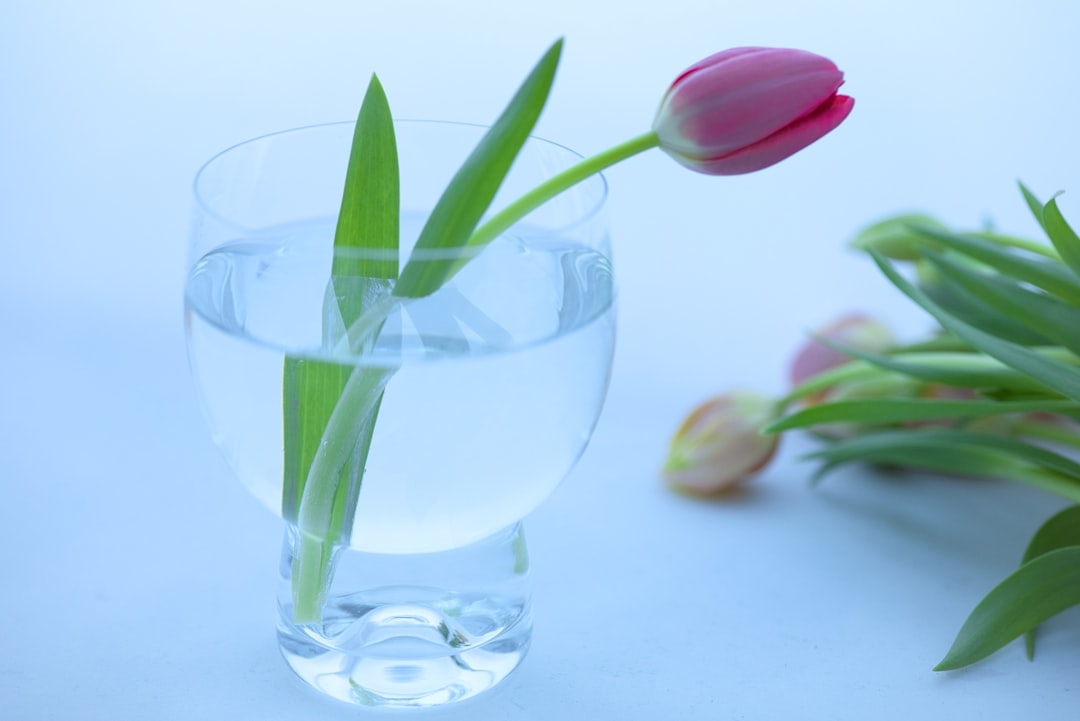
Lukewarm water is ideal. Hydrangeas wilting? Submerge the entire flower head in water for 30 minutes. Magic.
Orchids and Exotic Blooms
Use distilled room-temperature water (most US tap is fine, but if you live in a hard-water region, consider spring water).
Mixed Bouquets
If tulips or daffodils are included, keep them separate in cold water for 12 hours before combining with other stems.
Pull-Quote
“The temperature of your vase water changes everything. Think of it as a spa treatment for your flowers,”
– Rachel Kim, Certified Floral Designer
Real-Life Example: Store-Bought vs. Professional Flower Care
A $25 grocery store bouquet shoved in a vase with cold tap water lasted just 3 days in a 2026 home trial for Consumer Décor Magazine. A second, identical bouquet placed in a sanitized vase with lukewarm water, stems trimmed under water, and packet flower food, lasted 7 days–over twice as long.
Key Tips to Maximize Vase Life
- Use the right water temperature from the start.
- Change water and recut stems every 2-3 days.
- Keep arrangements away from direct sunlight, heaters, and fruit bowls (ethylene gas shortens flower life).
- Clean your vases thoroughly between uses.
- Feed your flowers–use the packet or homemade: 1 tsp sugar + 1/2 tsp bleach in 1 quart water.
Frequently Asked Questions
What happens if I use cold water for all flowers?
Cold water slows water uptake for most non-bulb flowers, making them appear wilted sooner. Exception: tulips, daffodils, and hyacinths, which thrive in cold vase water and stay firmer longer.
Can I use boiling or hot water for cut flowers?
Never use boiling or hot water–it damages stems and speeds decay. Some woody flowers (like hydrangeas) can benefit from a quick dip in hot water to seal the ends, but always let water cool before arranging.
How often should I change the water for fresh cut flowers?
Every 2-3 days is ideal. Clean the vase, use fresh water at the correct temperature, and recut the stems each time to remove blockages.
Is tap water safe, or should I use filtered or distilled water?
Most US tap water is safe for vases. Highly chlorinated or softened water can harm some sensitive flowers. If your local water is hard or mineral-heavy, filtered or spring water is a great alternative.
Why do my store-bought flowers wilt so fast, even in water?
Likely issues: dirty vase, water temperature, stems not recut, or leaves sitting below the waterline. Grocery store flowers may also have traveled farther and been out of water for longer.
A little attention to water temperature transforms your at-home bouquets from short-lived to spectacular. Experiment: next time you pick up tulips or roses, try the right water temperature for their type. Your flowers–and your future self–will thank you every morning they’re still standing tall.