Contents:
- Which Flowers Are Truly Blue? (Quick Answer)
- Why Are Naturally Blue Flowers So Rare?
- The Best Naturally Blue Flowers for US Florists & Home Gardeners
- Delphinium
- Bachelor’s Button (Centaurea cyanus)
- Himalayan Blue Poppy (Meconopsis betonicifolia)
- Gentiana
- Blue Hydrangea
- Tweedia Caerulea
- Blue Flowers vs. Dyed “Blue” Flowers: Spot the Difference
- Where to Buy Naturally Blue Flowers in the US
- Unique Ways to Use True Blue Flowers
- Blue Flowers in Wedding & Event Design
- Blue in Home Gardening
- Dried & Pressed Blue Flowers
- Why Can’t We Have a True Blue Rose?
- FAQ: Blue Flowers That Are Actually Blue
- What is the rarest naturally blue flower?
- Can you grow true blue hydrangeas anywhere in the US?
- Are blue orchids ever naturally blue?
- What is the best blue flower for cutting gardens in the US?
- How do you keep blue flowers vibrant in arrangements?
- Looking Forward: How to Actually Get Real Blue Flowers in Your Life
Blue Flowers That Are Actually Blue (Not Dyed)
Picture yourself standing in front of a flower shop’s refrigerated cases; most of the “blue” bouquets look suspiciously like they’ve spent time with a bottle of dye. But real, naturally blue flowers? They’re the unicorns of the floral world. Blue roses? Sadly, still a fantasy–most blue roses in US florists are actually spray-painted or soaked in dye. But other flowers? A handful are blessed by nature with that electric or powdery blue pigment, no dye required.
Which Flowers Are Truly Blue? (Quick Answer)
Genuine blue flowers–unmodified, undyed, not purple–are rare. Some of the best-known naturally blue flowers include:
- Delphinium
- Himalayan blue poppy (Meconopsis betonicifolia)
- Gentiana (Gentian)
- Blue hydrangea (certain cultivars, under acidic soil conditions)
- Bluebells (Hyacinthoides non-scripta)
- Love-in-a-mist (Nigella damascena)
- Salvia ‘Blue Angel’
- Bachelor’s button (Centaurea cyanus, aka cornflower)
- Tweedia caerulea
These varieties appear in florists, gardens, and occasionally wildflower meadows across the US. Most are seasonal; not every “blue” variety is available year-round, even from premium US flower delivery services such as UrbanStems, Farmgirl Flowers, or 1-800-Flowers.
Why Are Naturally Blue Flowers So Rare?
True blue pigment in nature is almost as elusive as a four-leaf clover. According to Dr. Carla Rosenberg, PhD (Director, National Horticultural Research Lab), less than 10% of flowering plant species worldwide produce truly blue blooms. Most “blue” flowers you see in shops are actually violet, purple, or lavender, which look blue under certain light or after a filter-heavy Instagram post.
Reason for rarity:
Plants generally lack the biological machinery to create the blue pigment delphinidin in isolation. Instead, they often produce anthocyanins, which shift toward purple or magenta depending on soil chemistry and cell pH. Blue gene editing has made waves–scientists in Japan created a GM blue chrysanthemum in 2017–but there’s still no naturally blue rose, tulip, or lily available to US consumers as of 2026.
<blockquote>
“In floristry, asking for a truly blue flower narrows your choices faster than planning a winter wedding in Alaska. But when you find one, it’s unforgettable.”
–Tomás Villareal, AIFD Certified Florist, San Francisco
</blockquote>
The Best Naturally Blue Flowers for US Florists & Home Gardeners
1. Delphinium
Delphiniums are the workhorse of blue in floral arrangements–from sky blue to cobalt. Their tall spikes star in wedding centerpieces and upscale bouquets.
- Color range: Powder blue, lapis, royal blue
- Peak season: June-July
- US pricing (2026): $3-$5 per stem retail
- Fun fact: Some delphinium varieties nearly rival the vibrance of dyed blooms.
2. Bachelor’s Button (Centaurea cyanus)
Often called “cornflower blue” for good reason. These wildflower darlings and their unmistakable true blue petals pop up in both garden beds and affordable mixed bouquets.
- Color: True blue, sometimes with a slight lavender undertone
- US florist use: Popular in rustic, farm-to-vase designs
- Seed packets: $2-$4 for home gardeners
3. Himalayan Blue Poppy (Meconopsis betonicifolia)
The holy grail for rare flower collectors. These poppies are legendary for their silky, electric blue petals–but they’re notoriously tricky to grow, thriving only in cool, moist climates (think Pacific Northwest or northern New England).
- Availability: Occasionally at specialty US growers, rarely in mainstream bouquets
- Cultivation tip: Requires patience and acid soil; not beginner-friendly
- Fun fact: National flower of Bhutan
4. Gentiana
These late-summer blooms range from sapphire to periwinkle, looking almost Photoshopped in person. Florists sometimes import gentians from the Netherlands or Japan (where blue gentians are a centuries-old tradition).
- Color: Electric blue
- Seasonality: August-September
- Typical use: Accent in sophisticated, understated arrangements
5. Blue Hydrangea
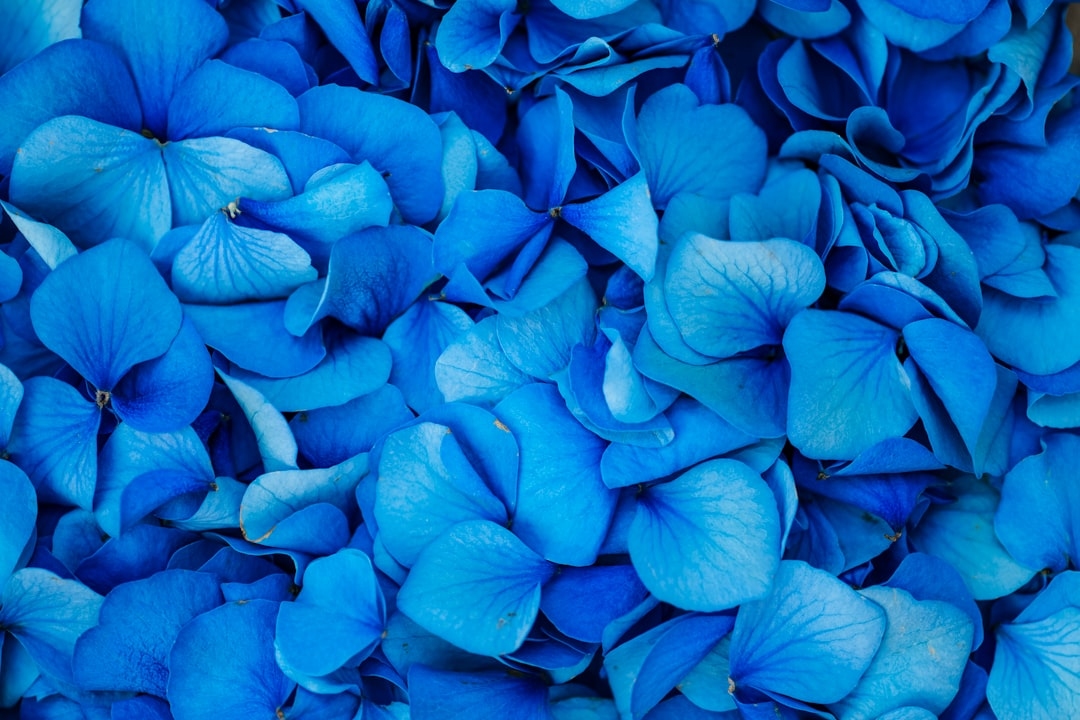
Hydrangeas are shape-shifters. Some, like ‘Nikko Blue,’ can look truly blue–but only if the soil is sufficiently acidic (pH below 5.2). Otherwise, they’ll bloom pink or lilac.
- Tip: Florists in the US Northeast use aluminum sulfate to maintain blue color
- Price: $7-$12 per stem (2026 retail)
- Misconception: Not every blue hydrangea is “naturally” blue out of the box; soil chemistry matters.
6. Tweedia Caerulea
Imagine a star-shaped flower, smaller than a nickel, in a soft robin’s egg blue. Tweedia is trending among US wedding designers–delicate, whimsical, and far less common than delphinium.
- Color: True, pale blue
- Availability: Imported or specialty US farms; best in late spring
- Bouquet life: 5-7 days
Blue Flowers vs. Dyed “Blue” Flowers: Spot the Difference
| Feature | Naturally Blue Flower | Dyed Blue Flower |
|---|---|---|
| Color Consistency | Blue throughout petals/stem | Streaks, uneven saturation, fades |
| Texture | Natural, soft | Sometimes stiff or waxy |
| Water Color | Clear | Water turns blue as dye leaches |
| Scent | Normal floral scent | Sometimes odd/chemical |
| Availability | Seasonal, limited | Year-round, almost any species |
Most dyed blue blooms in American supermarkets are white chrysanthemums, carnations, or even roses treated with food coloring. For high-end events or gifting, florists typically specify “naturally blue” if you want the real deal.
Where to Buy Naturally Blue Flowers in the US
Most major US flower delivery brands–The Bouqs Co., Teleflora, UrbanStems–carry blue bouquets, but not all sources are equal. Here’s how to find the real thing:
- Check product descriptions: Look for names like “delphinium,” “gentiana,” or “tweedia.”
- Ask the florist: Inquire specifically about whether the blue flowers are dyed or natural.
- Shop specialty growers: Seattle Wholesale Growers Market, California’s Resendiz Brothers, or local farmers’ markets, especially during summer.
Some niche US flower subscription services (e.g., FieldBouquet or BlueStem Blooms) offer “true blue” boxes seasonally, with prices from $45-$85 per bouquet as of 2026.
Unique Ways to Use True Blue Flowers
Blue Flowers in Wedding & Event Design
Blue symbolizes calm, loyalty, and trust–making it a coveted (yet challenging) color for wedding palettes. Top US event designers pair true blue blooms with whites, silvers, and blush for dramatic effect.
Blue in Home Gardening
A blue border in your garden is something neighbors remember. Here are three home garden favorites:
- Salvia farinacea ‘Blue Angel’: Low-maintenance, pollinator-friendly spikes from May to October.
- Bluebells: Woodland bluebells naturalize well in Eastern US zones.
- Lobelia ‘Crystal Palace’: Compact, deep blue, ideal for edging.
Dried & Pressed Blue Flowers
Tweedia and cornflower dry beautifully, holding their color better than most. DIYers on Etsy and Instagram are using pressed blue flowers in resin jewelry, bookmarks, and wall art. According to artisan Lena Ortiz (BlueMoonBotanicals, Brooklyn), blue delphinium is the top seller for pressed-flower crafts in 2026.
Why Can’t We Have a True Blue Rose?
No matter what TikTok claims, there are still no naturally blue roses as of 2026. Rose genetics lack the blue pigment gene, a frustration that’s sent breeders from Texas to Tokyo on decades-long quests. Japanese researchers at Suntory Flowers developed the “Applause” rose–marketed as blue–but it’s technically lavender-violet, not true blue, and is only available outside the US.
That hasn’t stopped creative florists from airbrushing, dye-soaking, or even using blue-tinted wax for “blue” roses. For the purists? Nothing beats the shock value of a naturally blue delphinium or gentian.
FAQ: Blue Flowers That Are Actually Blue
What is the rarest naturally blue flower?
The Himalayan blue poppy (Meconopsis betonicifolia) is widely regarded by botanists as the rarest naturally blue flower, especially outside its native habitat.
Can you grow true blue hydrangeas anywhere in the US?
You can achieve blue hydrangeas in most of the US, but only if your soil is sufficiently acidic (pH 5.2 or lower). In alkaline soils, flowers mostly turn pink or purple.
Are blue orchids ever naturally blue?
No. Blue orchids sold in grocery stores or online are white Phalaenopsis orchids dyed with blue ink or water-based colorant.
What is the best blue flower for cutting gardens in the US?
Delphinium is favored by US florists for its vivid blues, long stems, and availability between June and early August.
How do you keep blue flowers vibrant in arrangements?
Use acidified water and avoid direct sun. For delphinium and hydrangea, mist petals daily. Some florists use a commercial “flower blue enhancer” in the water as a pH buffer.
Looking Forward: How to Actually Get Real Blue Flowers in Your Life
Set a reminder for early summer–US peak season for the most striking blue blooms. When ordering from a local florist, specify “naturally blue, not dyed.” For gardeners, invest in a soil test kit and look for blue delphinium or cornflower seeds from reputable US suppliers (like Burpee or Johnny’s Selected Seeds). And if you ever get your hands on a Himalayan blue poppy, give yourself a gold star–then keep it cool, damp, and out of afternoon sun.
Chasing real blue flowers takes intention, patience, and a little luck. But when you spot that perfect blue, it’s worth every bit of the hunt.