Contents:
- Quick Answer: Which Flowers Are Edible for Baking?
- Edible Flowers 101: What to Know Before Baking
- Are All Flowers Safe to Eat?
- Sourcing Edible Flowers in the US
- Preparation Basics
- Complete List of Edible Flowers for Baking
- How to Bake with Edible Flowers: Tips from US Bakers
- Crystallizing Flowers
- Infusing Dairy and Syrups
- Pressing into Dough
- Not All Flowers Are Created Equal: Edible vs. Inedible Varieties
- Common Unsafe Flowers in US Floristry
- Pull-Quote
- Buying Edible Flowers Online in 2026
- The Cost of Cooking with Flowers
- How to Store and Preserve Edible Flowers
- Frequently Asked Questions About Edible Flowers for Baking
- What are the most popular edible flowers for cakes and cupcakes?
- Can I eat flowers from my backyard?
- Are all marigolds edible?
- How do I know if a flower is safe to eat?
- Can I buy edible flowers year-round in the US?
- Ready to Bake? Start Simple, Think Seasonally
Edible Flowers for Baking – Complete List
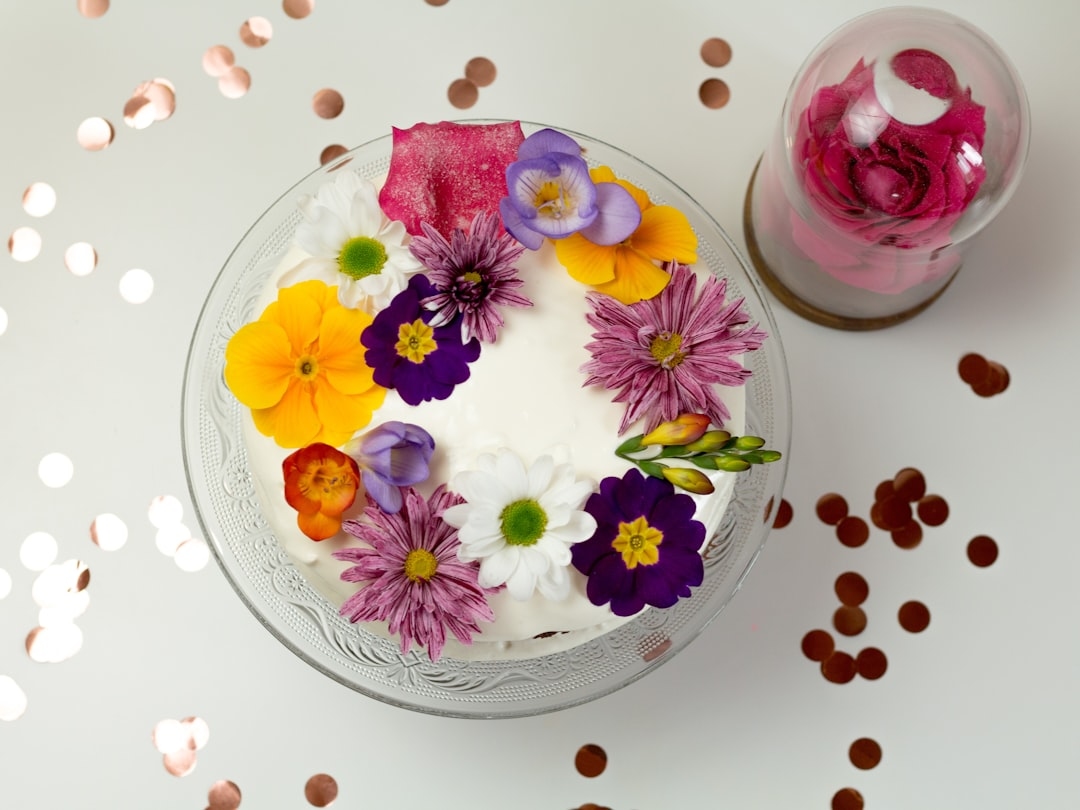
Imagine pulling a pan of golden cupcakes from the oven, topped with crystallized violets or a flourish of sunny calendula petals. Suddenly, your home-baked treats look like they belong behind the glass at an upscale Manhattan pâtisserie. Americans spent over $78 million on edible flowers in 2025, according to the National Association of Specialty Food Trade–so you’re definitely not the only one craving a more botanical approach to baking.
But which flowers are safe to use in cakes, cookies, and breads? And which ones are just beautiful but not edible? Let’s get into everything you need to know about baking with edible flowers in the US, with a detailed, trusted list and real-world tips from professional florists and chefs.
Quick Answer: Which Flowers Are Edible for Baking?
The most popular edible flowers for baking in 2026 include:
- Lavender
- Roses (organic, unsprayed only)
- Pansies and violas
- Violets
- Calendula
- Chamomile
- Marigolds (Tagetes tenuifolia, NOT African Marigold)
- Nasturtiums
- Hibiscus
- Jasmine (Jasminum sambac, Jasminum officinale)
- Borage
- Elderflower
- Scented geraniums
- Daylilies
- Carnations (Dianthus caryophyllus, petals only)
- Herb blossoms: chive flowers, basil flowers, thyme flowers
Always use flowers grown for culinary use–never from florists, unless labeled edible, as those are often treated with chemicals.
Edible Flowers 101: What to Know Before Baking
Are All Flowers Safe to Eat?
Absolutely not. Only certain flowers are edible, and misidentification can be dangerous. According to Dr. Emily Tran, PhD in Horticultural Sciences at Cornell, upwards of 95% of floral varieties grown commercially in the US are not food-safe.
“Never use flowers from grocery store bouquets, as they’re generally sprayed with pesticides not intended for human consumption.”
– Melissa Okabe, Owner of Brooklyn Petal Bakery
Sourcing Edible Flowers in the US
- Grocery stores: Whole Foods, Trader Joe’s, and Wegmans have started stocking edible flowers in the produce aisle, typically for $5-$12 per clamshell.
- Online: Gourmet specialty sites like Gourmet Sweet Botanicals, Marx Foods, and Fresh Origins deliver nationwide (overnight shipping often required).
- Farmers’ markets: Ask the grower directly about their growing practices–are the flowers untreated and safe to eat?
Preparation Basics
- Rinse gently and pat dry with a paper towel.
- Remove stamens, pistils, and green base (calyx) on most large flowers.
- Taste a petal before using–a flavor can range from spicy radish to honeyed violets.
- Use immediately after harvesting or purchase; most edible flowers wilt within 48 hours.
Complete List of Edible Flowers for Baking
Here’s a breakdown of popular, flavorful, and widely available edible flowers in the US, plus their best baking uses and flavors.
| Flower | Taste | Uses in Baking | Season | Notes |
|---|---|---|---|---|
| Lavender | Sweet, floral, citrusy | Cookies, scones, cakes | Late spring | Use sparingly; too much tastes soapy |
| Rose | Sweet, perfumy | Petal garnish, syrups | Spring-summer | Only unsprayed, organically-grown petals |
| Pansy/Viola | Mild, grassy | Cupcake toppers | Spring-fall | Eat whole bloom; bright colors |
| Violet | Sweet, violet-candy | Candies, shortbread | Spring | Crystallize for decorations |
| Calendula | Peppery, tangy | Muffins, breads | Summer-fall | AKA “poor man’s saffron” |
| Chamomile | Apple-like, delicate | Scones, shortbread | Late spring | Remove green base; use petals only |
| Marigold | Citrus, spicy (Tagetes only) | Cupcake décor, salads | Summer-fall | Avoid African marigold; only Tagetes tenuifolia edible |
| Borage | Cucumber-like | Cake decorations | Spring-summer | Stunning blue star-shaped flowers |
| Nasturtium | Peppery, radish-like | Savory breads, biscuits | Summer-autumn | Both leaves and flowers edible |
| Jasmine | Sweet, floral | Syrups, flavoring | Summer | Use Jasminum sambac/officinale only |
| Hibiscus | Tart, cranberry | Cupcakes, glazes | Summer-autumn | Dried calyces often used; bright red color |
| Elderflower | Light, floral, pear | Syrups, cakes, jellies | Late spring | Must be cooked; raw flowers may cause stomach upset |
| Scented Geranium | Varies: rose, citrus | Infuse sugar, cookies | Summer-autumn | Use fragrant-leaved var. (pelargonium) only |
| Daylily | Mild sweet, lettuce-like | Petal garnish, breads | Summer | Only Hemerocallis spp.; raw may cause stomach upset |
| Carnation | Clove-like, spicy | Petal confetti | Year-round | Use petal only; bitter white base removed |
| Chive Blossom | Mild onion | Savory breads, muffins | Spring | Lavender-purple pom-poms; bold flavor |
How to Bake with Edible Flowers: Tips from US Bakers
Crystallizing Flowers
Crystallized violets and rose petals are an iconic topper for French macarons and sugar cookies. To make your own:
- Whisk one egg white with a teaspoon of water.
- Gently paint petals, dust with superfine sugar, and let dry overnight.
Infusing Dairy and Syrups
Lavender and chamomile excel at infusing cream for panna cotta or custard. Add a tablespoon of dried flower per cup of cream, heat, steep for 20 minutes, then strain.
Pressing into Dough
Pansies and calendula press beautifully into sugar cookie dough before baking, preserving their vivid color. Try this with a roll-out sugar cookie for maximum impact.
Not All Flowers Are Created Equal: Edible vs. Inedible Varieties
Common Unsafe Flowers in US Floristry
A surprising number of US garden favorites are toxic if eaten. Some you should never use for baking:
- Foxglove (Digitalis purpurea)
- Lily of the valley
- Azalea
- Rhododendron
- Daffodil
- Hydrangea
Florist-bought bouquets are usually grown for looks, not consumption. Dr. Carina Gray, owner of San Francisco’s edible flower farm Petal & Plate, recommends:
“If you’re not 100% sure of identification or source, don’t use the flower. Even small traces of some ornamentals can cause serious illness.”
Pull-Quote
“Adding edible flowers is the easiest way to transform a humble cake into a showstopper. Just a few petals can make your dessert look like it cost $50 at an LA bakery.”
– Jessica Wu, Pastry Chef at Flourish, Los Angeles
Buying Edible Flowers Online in 2026
Demand has blossomed–pun intended. US-based websites shipping edible flowers overnight include:
- Gourmet Sweet Botanicals: Nationwide shipping, over 30 varieties. $12-$22 per 50 blooms.
- Fresh Origins: Southern California farm, bulk/tray sizes for pros and home bakers.
- Marx Foods: Carries exotic edible flowers like begonia, pineapple sage.
Pro tip: Order early for holiday baking seasons (Mother’s Day, Easter, spring weddings), as stocks can sell out fast. For urban bakers, check Etsy for local growers selling organic edible flower kits.
The Cost of Cooking with Flowers
Expect to pay $8-$25 per box for fresh, culinary-grade edible flowers in 2026. Dried options (hibiscus, lavender) are less, around $5-$15 per 2oz pack at retailers like King Arthur Baking or Sprouts Market. Growing your own is cheapest–seeds for common edible flowers like nasturtiums or pansies cost as little as $3 per packet from US seed companies (Baker Creek, Johnny’s Selected Seeds).
How to Store and Preserve Edible Flowers
- Fresh: Keep refrigerated in an airtight container lined with a damp paper towel; use within 2-3 days of harvest.
- Dried: Store in a cool, dark pantry; will last for 6-12 months.
- Crystallized: Dipped in sugar, petals will stay crisp in a jar for weeks.
Frequently Asked Questions About Edible Flowers for Baking
What are the most popular edible flowers for cakes and cupcakes?
Lavender, pansies, violets, and rose petals are favorites for cake decorating in the US. They provide both color and flavor and are easy to source from specialty grocers or online retailers in 2026.
Can I eat flowers from my backyard?
Only if you’re certain of the species and growing conditions. Avoid flowers treated with pesticides, herbicides, or those grown near roads. Always positively identify flowers and research whether they’re edible.
Are all marigolds edible?
No. Only Tagetes tenuifolia (signet marigold) and some French marigold varieties are edible. African marigolds (Tagetes erecta) and ornamental marigolds sold at US nurseries are generally not safe to eat.
How do I know if a flower is safe to eat?
Consult reputable identification guides or ask an expert. Look for US-based edible flower growers, and never use flowers from florists or landscaping unless labeled as edible.
Can I buy edible flowers year-round in the US?
Yes–though selection is greatest from May to September, most large metro areas and online sellers stock edible flowers through winter, using greenhouse-grown blooms or dried/frozen options.
Ready to Bake? Start Simple, Think Seasonally
Next time you’re planning homemade lemon bars or a summer birthday cake, pick up a box of edible violas or infuse your sugar with homegrown lavender. Try pressing borage stars into your next focaccia or garnishing a cheesecake with delicate calendula petals. By adding edible flowers to your baking routine, you’ll bring color, fragrance, and a dash of garden magic to every bite–no fancy equipment or gourmet training required. Your kitchen will smell like a bakery and a florist, all at once.