Contents:
- Short Answer: How Many Alstroemeria Varieties Are There?
- What Counts as a Variety in Alstroemeria?
- Species vs. Cultivars vs. Hybrids
- Why Are There So Many Alstroemeria Varieties?
- North America’s Favorite Alstroemeria Varieties
- Best-Selling US Cultivars
- Explaining the Explosion: Alstroemeria Breeding and the Global Market
- How New Varieties Are Created
- Rarest and Most Unusual Alstroemeria Varieties
- How to Choose the Best Alstroemeria for Your Needs
- Tips from US Florists
- Seasonal Availability in the US
- Pull-Quote
- Frequently Asked Questions About Alstroemeria Varieties
- How many different colors of alstroemeria are there?
- Are all alstroemeria varieties suitable for growing in the US?
- What is the rarest alstroemeria variety sold in the United States?
- How long does alstroemeria last in a vase?
- Can alstroemeria be toxic to pets?
- Want a New Favorite Flower? Try Alstroemeria in Your Next Arrangement
How Many Varieties of Alstroemeria Actually Exist?
Walk into any American flower shop in spring and you’ll probably spot alstroemeria–sometimes called the Peruvian lily–tucked into just about every mixed bouquet. These whimsical, speckled blooms aren’t just pretty filler; they’re floral chameleons, with a surprising range that goes far beyond the handful of shades most people recognize.
Short Answer: How Many Alstroemeria Varieties Are There?
There are currently over 250 recognized species of alstroemeria and more than 2,000 named cultivars worldwide as of 2026. In the United States, commercial florists typically use 15-30 main hybrid lines, but hundreds of unique forms are available to specialty growers and collectors.
What Counts as a Variety in Alstroemeria?
Not all alstroemerias are created equal, and “variety” can mean different things depending on whom you ask.
Species vs. Cultivars vs. Hybrids
- Species: Wild forms found in nature. Botanists recognize between 120 and 250 true species, mainly native to Chile and Brazil.
- Cultivars: Garden or florist-created varieties bred for color, stem strength, and vase life. Floriculture databases (like the Royal Horticultural Society) list over 2,000 named alstroemeria cultivars as of 2026.
- Hybrids: Crosses between species. Most of what’s sold in North America are complex hybrids, often with parentage from Alstroemeria aurea, A. ligtu, or A. pelegrina.
“Our California greenhouses grow 24 primary cultivars, but international trials show the pool is always expanding,” says Jessica Tran, head grower at Pacific Petals (Santa Cruz, CA).
Why Are There So Many Alstroemeria Varieties?
Alstroemeria breeders are busy–the flower’s popularity with florists drives an ever-expanding rainbow of options.
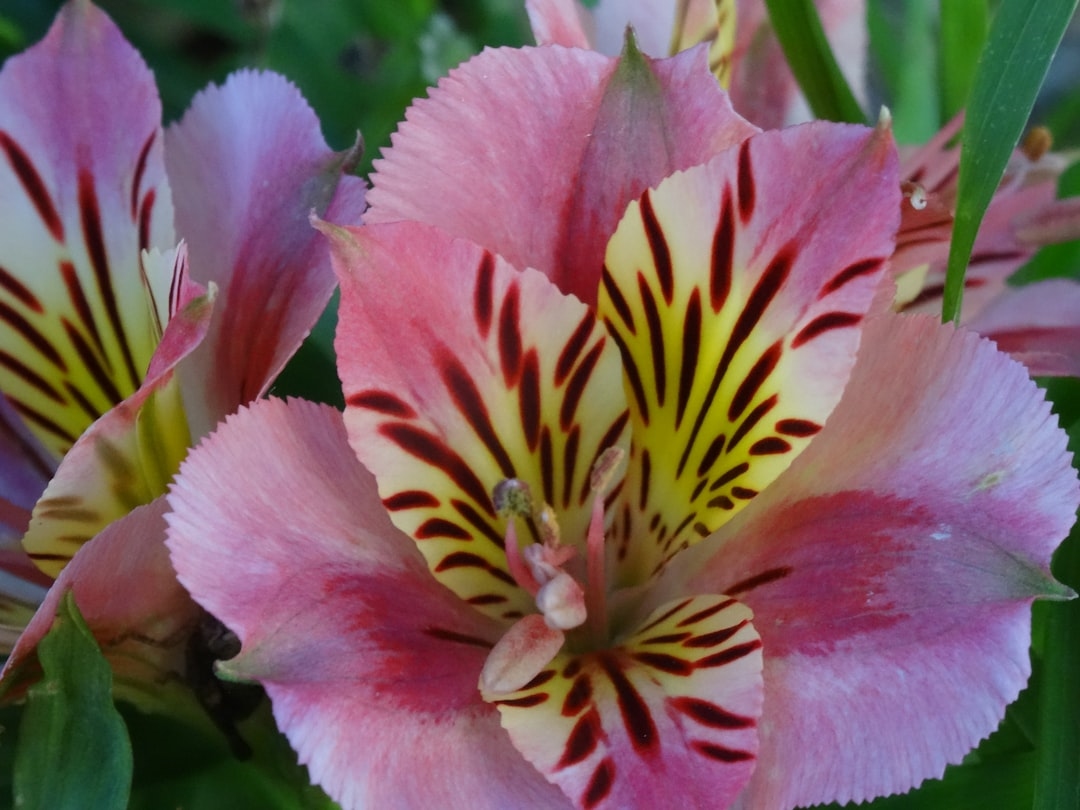
- Color Range: Modern hybrids come in pink, purple, white, yellow, orange, red, and even nearly blue tints.
- Patterning: Varieties sport speckles, striping, or solid petals. Some, like ‘Inca Ice’, boast creamy white petals flushed with gold and peach.
- Stem Length & Vase Life: Recent cultivars, like the ‘Princess Series’, are bred for long, sturdy stems and up to 2 weeks in a vase.
- Market Demand: The top five US flower delivery companies–like 1-800-Flowers and Teleflora–list more than 10 distinct alstroemeria ‘types’ in regular rotation, especially hybrids with extended shelf life for shipping.
North America’s Favorite Alstroemeria Varieties
You’ll see certain alstroemeria names pop up again and again in American arrangements.
Best-Selling US Cultivars
- ‘Majestic Pink’: Vivid rosy petals, a staple for Valentine’s and Mother’s Day bouquets.
- ‘Indian Summer’: Sunset tones of yellow and orange, excellent for mixed centerpiece work.
- ‘Inca Series’: Wide color selection, prized for resilience in transport (shipped nationwide by flower delivery services).
- ‘Princess Fabiana’: Compact and fragrant, used in boutique arrangements from Boston to LA.
A typical US florist might keep 6-12 varieties on hand for color diversity and year-round supply. Wholesale prices range from $0.45-$1.10 per stem in 2026, depending on variety and grade.
Explaining the Explosion: Alstroemeria Breeding and the Global Market
The international market for alstroemeria has been fueled by breeding programs in the Netherlands, Chile, and California.
How New Varieties Are Created
Breeders use controlled pollination between wild and cultivated types, then select seedlings with new colors, better stem strength, or unique markings. Dutch company Royal Van Zanten and the US-based Floricultura lead the pack, releasing 30+ new cultivars yearly.
Comparison Table: Species vs. Cultivar Hybrids in Alstroemeria
| Feature | Wild Species | Modern Cultivars (Hybrids) |
|---|---|---|
| Color Range | Limited | Extensive, multicolored |
| Vase Life | 4-7 days | Up to 16 days |
| Availability (US) | Rare | Readily available |
| Stem Length | Short-medium | Medium-long |
| Cost per Stem (2026) | $2.50+ (rare) | $0.45-$1.10 |
“Ninety percent of what’s sold through US grocery stores and online florists comes from Chilean or Dutch hybrid lines,” notes Dr. Rina Solis, plant breeder, University of Florida.
Rarest and Most Unusual Alstroemeria Varieties
While most bouquets use common varieties, collectors in the US sometimes hunt for the rarest species.
- A. pelegrina (Chilean lily): Pale pink with delicate veining–hard to grow outside the Pacific Northwest.
- A. psittacina (‘Parrot Lily’): Red and green bicolor, grown in Southern gardens and sometimes naturalized in US Gulf states.
- ‘Blueberry Ice’: A 2024 cultivar with a faint lavender-blue blush–still a novelty in US floral shops.
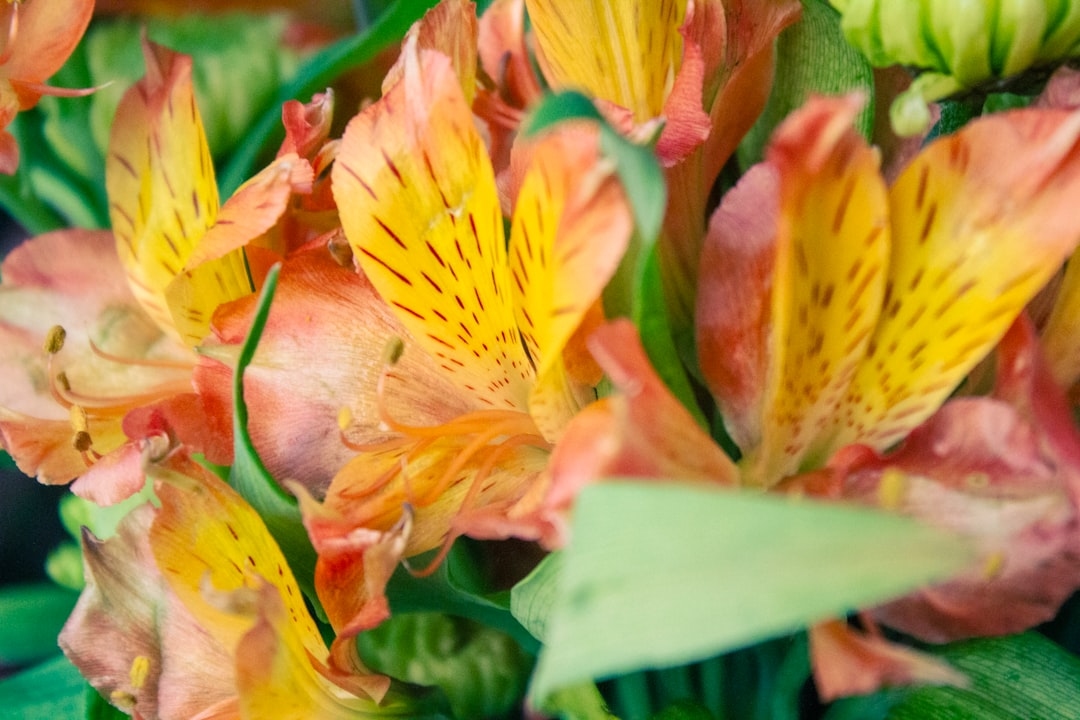
These rare types can fetch $8-$20 per stem at specialty florists or farmer’s markets in 2026.
How to Choose the Best Alstroemeria for Your Needs
Tips from US Florists
- For maximum vase life: Stick with newer hybrid cultivars labeled “long-life” or “premium” by reputable US suppliers.
- For home gardens: ‘Sweet Laura’ and ‘Indian Summer’ are popular with American home growers; both tolerate US climates from USDA Zone 6 and up.
- For allergy-sensitive households: Most modern alstroemerias have little scent, making them great for those sensitive to strong flowers.
Seasonal Availability in the US
- Peak season: May through August, but major exporters use greenhouse production for year-round supply.
- Best value: Late spring, when domestic crops from California and Florida hit the market.
Pull-Quote
“With so many hybrids and colors, alstroemeria is a florist’s secret weapon for affordable, long-lasting arrangements.”
– Carrie Mendoza, owner, BloomWorks NYC
Frequently Asked Questions About Alstroemeria Varieties
How many different colors of alstroemeria are there?
Alstroemeria is available in over 75 distinct color and pattern combinations, including white, yellow, orange, red, pink, purple, and multi-tonal blends.
Are all alstroemeria varieties suitable for growing in the US?
Not all. While many hybrids thrive across the continental US, wild species often require specific climates or greenhouse conditions. Varieties like ‘Indian Summer’ and ‘Princess Fabiana’ are popular for American gardens due to their adaptability.
What is the rarest alstroemeria variety sold in the United States?
Among those commercially available, Alstroemeria pelegrina is one of the rarest, prized for its delicate blooms and limited growing range on the West Coast. Some specialized cultivars, like ‘Blueberry Ice’, are also rare and tend to be found only at high-end florists.
How long does alstroemeria last in a vase?
Modern alstroemeria cultivars last between 10 and 16 days in a vase when cared for properly–much longer than many other cut flowers.
Can alstroemeria be toxic to pets?
Yes. Alstroemeria contains low levels of tulipalin, which can cause mild irritation in cats and dogs if ingested. Most US florists include pet-safety notices on bouquets featuring alstroemeria.
Want a New Favorite Flower? Try Alstroemeria in Your Next Arrangement
The array of alstroemeria varieties isn’t just for industry insiders anymore. Next time you’re shopping for flowers–online or at your local shop–ask for a new-to-you cultivar or search for farms specializing in rare forms. With so many options blooming across the US market in 2026, there’s never been a better time for flower lovers to experiment and discover a fresh favorite in the alstroemeria family.