Contents:
- Quick Answer: How Many Hydrangea Varieties Are There?
- The Hydrangea Family Tree: Species vs. Cultivars
- What’s the Difference?
- Why Are There So Many Hydrangea Varieties?
- Breeder Innovation
- Consumer Demand
- Major Hydrangea Categories and Their Standout Varieties
- Bigleaf Hydrangeas (Hydrangea macrophylla)
- Smooth Hydrangeas (Hydrangea arborescens)
- Panicle Hydrangeas (Hydrangea paniculata)
- Oakleaf Hydrangeas (Hydrangea quercifolia)
- Climbing Hydrangeas
- Specialty and Rare Hydrangeas in the US
- Not Just Blue and Pink
- How New Hydrangea Varieties Are Created
- The Art and Science of Plant Breeding
- Hydrangea Variety Trends in the US Market (2026 Update)
- Top 2026 Hydrangea Varieties for US Gardeners
- Guide to Buying Hydrangeas in the US
- FAQ: Hydrangea Varieties Explained
- How do hydrangea species differ from cultivars?
- Can I change the color of any hydrangea variety?
- What’s the rarest hydrangea in the US?
- Are all hydrangea varieties winter-hardy in the US?
- Which hydrangea is best for cut flowers?
How Many Varieties of Hydrangeas Actually Exist?
A single hydrangea stem can hold a cloud of cotton-candy blooms, shifting from ice-blue to blush-pink depending on the soil beneath your feet. It’s the ultimate chameleon in the garden – adored by Martha Stewart and backyard florists alike. But here’s the thing that baffles even plant pros: just how many varieties of hydrangeas are out there? The answer is not as simple as it seems.
Quick Answer: How Many Hydrangea Varieties Are There?
There are roughly 75 officially recognized hydrangea species and more than 600 named cultivars worldwide.
In the US alone, at least 200 cultivars are commonly available through local nurseries, florists, and online shops. This count includes classic species like Hydrangea macrophylla (bigleaf), Hydrangea arborescens (smooth), Hydrangea paniculata (panicle), and Hydrangea quercifolia (oakleaf). New varieties are introduced every year, thanks to active breeding programs in the US, the Netherlands, and Japan.
The Hydrangea Family Tree: Species vs. Cultivars
Hydrangeas belong to the Hydrangeaceae family, with the genus itself boasting about 75 accepted species. But gardeners and florists mostly work with five key types:
- Bigleaf Hydrangeas (Hydrangea macrophylla)
- Smooth Hydrangeas (Hydrangea arborescens)
- Panicle Hydrangeas (Hydrangea paniculata)
- Oakleaf Hydrangeas (Hydrangea quercifolia)
- Climbing Hydrangeas (Hydrangea anomala subsp. petiolaris)
Within each species, horticulturists have bred dozens – sometimes hundreds – of unique cultivars. For instance, Bailey Nurseries’ Endless Summer® series has sold over 25 million bigleaf hydrangeas since 2004, each with its own subtle variations.
What’s the Difference?
| Species Example | Leaf Shape | Bloom Form | Common Cultivars | Hardiness |
|---|---|---|---|---|
| H. macrophylla (Bigleaf) | Oval, glossy | Mophead, lacecap | Endless Summer, Nikko Blue | Zones 5-9 |
| H. arborescens (Smooth) | Rounded | Dome | Annabelle, Incrediball | Zones 3-9 |
| H. paniculata (Panicle) | Pointed | Cone-shaped | Limelight, Bobo | Zones 3-8 |
| H. quercifolia (Oakleaf) | Lobed, oak | Conical | Snow Queen, Gatsby Gal | Zones 5-9 |
| H. anomala (Climbing) | Heart, small | Flat clusters | Miranda, Firefly | Zones 4-8 |
“Hydrangea breeding is like fashion – there’s always a new cultivar making its debut.”
– Dylan Perez, Certified Horticulturist, New York Botanic Garden
Why Are There So Many Hydrangea Varieties?
A single walk through a spring garden center reveals a dizzying parade of names: ‘Zinfin Doll’, ‘Pinky Winky’, ‘Invincibelle Spirit II’, ‘Tuff Stuff Ah-Ha’. Why the explosion in hydrangea variety?
Breeder Innovation
Since the 1980s, US and European hybridizers have made hydrangeas more cold-hardy and colorful. New introductions aren’t just about aesthetics – they’re bred for:
- Bloom reliability (flowers on new and old wood)
- Vibrant or shifting color
- Size (compact for urban gardens)
- Disease resistance
- Extended blooming seasons
The Endless Summer series, developed in Minnesota and patented in 2004, marked a turning point. Its ability to flower repeatedly throughout the summer, even after harsh winters, made hydrangeas accessible from Boston to Seattle.
Consumer Demand
According to American Floral Endowment’s 2025 survey, hydrangeas ranked as the #4 most-requested wedding flower in the US, right after roses, peonies, and ranunculus. American consumers crave novelty, and plant brands race to offer something fresh each year.
Major Hydrangea Categories and Their Standout Varieties
1. Bigleaf Hydrangeas (Hydrangea macrophylla)
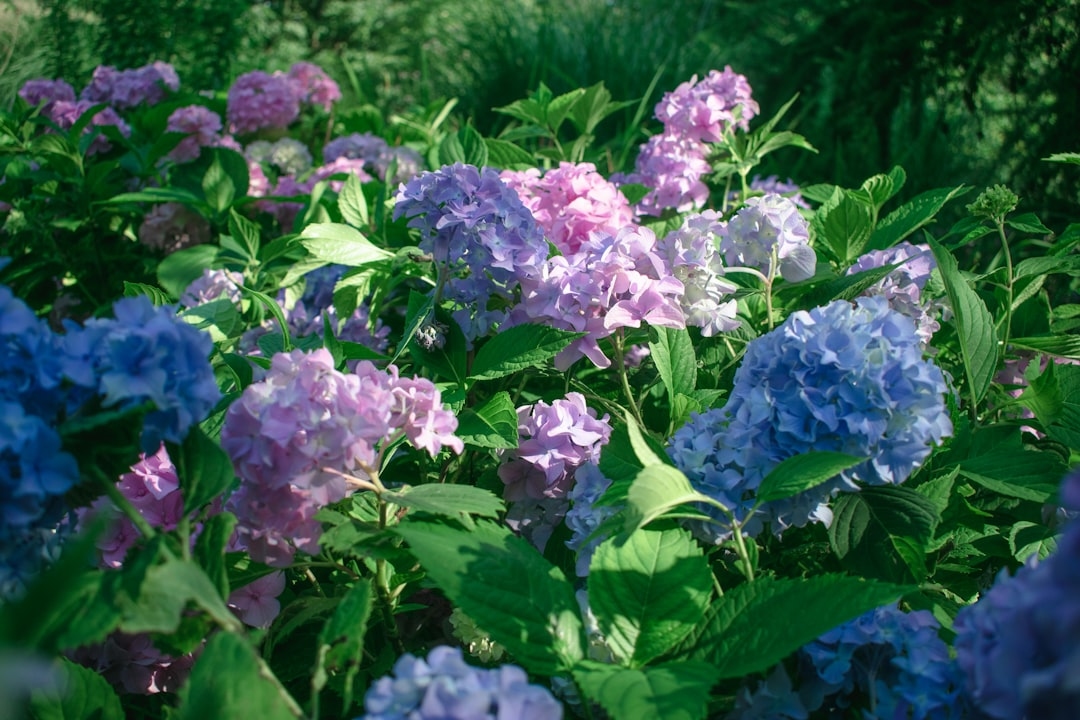
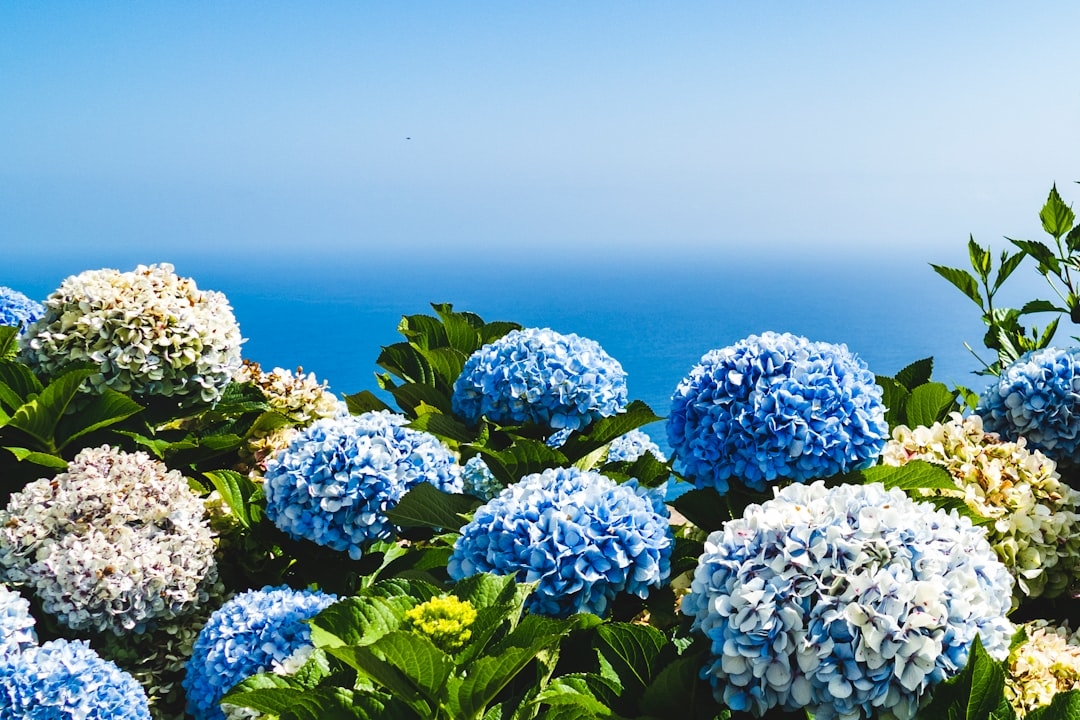
Best known for their color-changing blooms (blue in acidic soil, pink in alkaline), bigleafs dominate American gardens and floristry.
- Popular Cultivars: Endless Summer®, Let’s Dance™ series, Nikko Blue, Cityline™ Rio
- Average Cost (2026): $35-$65 per mature plant at Home Depot or Lowe’s
2. Smooth Hydrangeas (Hydrangea arborescens)
Loved for their hardiness and bombshell white blooms. Annabelle is the classic star.
- Popular Cultivars: Annabelle, Incrediball®, Invincibelle Spirit®
- Best For: Mass planting, cut stems (Annabelle holds up well in bouquets)
3. Panicle Hydrangeas (Hydrangea paniculata)
Thriving in full sun, these produce cone-shaped flowers that turn blush-pink as summer wanes.
- Popular Cultivars: Limelight, Little Lime, Vanilla Strawberry®, Quick Fire®
- Florist Tip: Panicle hydrangeas last longer in arrangements versus bigleafs.
4. Oakleaf Hydrangeas (Hydrangea quercifolia)
Stunning in fall, with foliage that rivals maples for color.
- Popular Cultivars: Snow Queen, Ruby Slippers, Gatsby Pink®
5. Climbing Hydrangeas
A spectacular way to cover walls or fences. Less common in nurseries, but a showstopper when mature.
- Popular Cultivars: Miranda, Firefly
Specialty and Rare Hydrangeas in the US
Not Just Blue and Pink
While classic hydrangeas hog the spotlight, garden collectors prize rarer species too:
- Hydrangea serrata: Smaller leaves, delicate lacecap flowers. Cultivars like ‘Bluebird’ are coveted by designers.
- Hydrangea aspera: Velvety leaves, unique fuzzy blooms.
- Hydrangea involucrata: Late-summer flowering, a favorite for shade gardens.
These rarities often command higher prices – $60+ per small potted plant on specialty sites like Plant Delights Nursery.
How New Hydrangea Varieties Are Created
The Art and Science of Plant Breeding
Developing a new hydrangea variety is a long game. According to Laura Braddock, Head Breeder at Proven Winners®, it takes an average of 8-15 years from cross-pollination to commercial release in the US. Each new cultivar is trialed for:
- Flower color and consistency
- Disease resistance
- Winter hardiness (especially for Zones 3-5)
- Sun and shade tolerance
This painstaking process explains why trademarked names like ‘Limelight’ or ‘Endless Summer’ dominate nursery shelves – they represent years of testing and investment.
Hydrangea Variety Trends in the US Market (2026 Update)
- Miniature Varieties: Dwarf hydrangeas such as ‘Little Lime’ and ‘Cityline Paris’ are bestsellers in urban and rooftop gardens (according to The Sill’s 2026 trend report).
- Double-bloom Forms: New releases like ‘Double Delights Star Gazer’ offer multi-layered petals for an updated look.
- Drought-tolerant Types: Especially popular in California and the Southwest, with cultivars bred for lower water requirements.
Top 2026 Hydrangea Varieties for US Gardeners
| Variety Name | Type | Height | Best For | USDA Zone |
|---|---|---|---|---|
| Endless Summer Pop Star | Bigleaf | 2 ft | Container/patio | 4-9 |
| Limelight Prime | Panicle | 4-6 ft | Hedges | 3-8 |
| Invincibelle Ruby | Smooth | 3-4 ft | Pollinator beds | 3-8 |
| Gatsby Moon | Oakleaf | 6-8 ft | Drama/focal | 5-9 |
Guide to Buying Hydrangeas in the US
- Local Garden Centers: Offer 10-20 top cultivars, usually $30-$70 each.
- Big Box Stores: Carry hits like Endless Summer; stock varies by region.
- Online Retailers: White Flower Farm, Proven Winners Direct, and Nature Hills Nursery ship over 120 cultivars nationwide.
- Florists: Hydrangea stems retail for $3-$8 each; panicles tend to cost less than bigleafs for events.
FAQ: Hydrangea Varieties Explained
How do hydrangea species differ from cultivars?
Hydrangea species refer to the basic, naturally occurring types (like macrophylla, arborescens). Cultivars are specific, cultivated varieties within each species, bred for distinct characteristics like bloom color, petal shape, or hardiness.
Can I change the color of any hydrangea variety?
No, only bigleaf (H. macrophylla) and mountain (H. serrata) hydrangeas can have their colors altered significantly by soil pH. Panicle, oakleaf, and smooth hydrangeas do not change color in response to soil acidity.
What’s the rarest hydrangea in the US?
Hydrangea aspera and some H. serrata cultivars are among the rarest, often only found through specialty nurseries. These varieties command high prices and may not be widely available.
Are all hydrangea varieties winter-hardy in the US?
No. Panicle and smooth hydrangeas can survive winters as cold as USDA Zone 3, but bigleaf and oakleaf hydrangeas may struggle below Zone 5 unless specifically bred for cold tolerance.
Which hydrangea is best for cut flowers?
Bigleaf hydrangeas (particularly cultivars like ‘Endless Summer’ and ‘Nikko Blue’) are prized for floristry. However, panicle types last longest in bouquets, especially in hot or dry conditions.
Still hunting for the perfect hydrangea? Start by matching your local climate and garden style to one of the main hydrangea types. From there, you can explore new cultivars each spring – or even join a local hydrangea society to stay ahead of the trends. With hundreds of varieties (and more debuting every year), there’s always a new hydrangea to try, no matter your zone or your creative vision.