Contents:
- Quick Answer: How Many Peony Varieties Are There, Really?
- The Three Main Groups of Peonies
- Herbaceous Peonies
- Tree Peonies
- Intersectional (Itoh) Peonies
- How Peony Varieties Are Classified
- Species vs. Cultivars
- Forms and Flower Types
- Noteworthy Peony Varieties for US Gardeners
- New Peony Varieties and Trends in 2026
- What Drives the Number of Peony Varieties?
- Breeding & Registration
- Global Exchange
- The Collector Effect
- Peonies and the US Cut-Flower Market
- Top Sellers to Watch
- Comparing Peony Varieties by Group
- Fast Facts: Peony Varieties at a Glance
- FAQ: Peony Varieties
- How many types of peonies are there in 2026?
- What is the rarest peony variety?
- Which peony has the biggest flower?
- Are all peonies fragrant?
- Can peonies grow in all US states?
How Many Varieties of Peonies Actually Exist?
Tucked into spring gardens and gracing June weddings, peonies have a devoted fan club. For centuries, their fluffy blooms–ranging from dinner plate-size to delicate, nodding forms–have inspired everything from poetry to perfume. Yet most people can name only a handful of peony types (if any). So, here’s a surprise: there are far more peony varieties than you might suspect, and the US market barely scratches the surface.
Quick Answer: How Many Peony Varieties Are There, Really?
There are over 3,000 recognized peony cultivars worldwide as of 2026, according to the American Peony Society database. These span hundreds of species and hybrids, divided into three main groups: herbaceous (Paeonia lactiflora and more), tree peonies (Paeonia suffruticosa), and intersectionals (Itoh hybrids). New cultivars are registered each year, with breeders in the US, Europe, and Asia continuously expanding the list.
| Type | Number of Known Cultivars (2026) | Notable Examples |
|---|---|---|
| Herbaceous | 2,000+ | ‘Sarah Bernhardt’, ‘Bowl of Beauty’ |
| Tree Peonies | 1,000+ | ‘Shimanoshiki’, ‘High Noon’ |
| Intersectionals | 100+ | ‘Bartzella’, ‘Garden Treasure’ |
“At last count, peony enthusiasts in the United States alone could choose from over 700 cultivars formally introduced by American breeders,” says Dr. Elaine Carter, horticulturalist and APS judge.
The Three Main Groups of Peonies
1. Herbaceous Peonies
These are the familiar peonies found in most US gardens and florists. They die back to the ground each winter and bloom again in late spring.
- Popular Herbaceous Varieties:
- ‘Sarah Bernhardt’: Pale pink, full double blooms; one of the most popular cut flowers in New York and Seattle floral markets.
- ‘Karl Rosenfield’: Vivid crimson red, valued by event florists in the Midwest.
- ‘Festiva Maxima’: White petals with flecks of crimson, grown extensively in Oregon and California for the Mother’s Day trade.
Fun fact: Michigan is the largest commercial producer of herbaceous peonies in the US, with an estimated 500 acres under cultivation as of 2026.
2. Tree Peonies
Woody, shrub-like peonies that do not die back in winter. Not true trees, but their stems persist year-round.
-
Defining Features:
- Large, often fragrant flowers appearing earlier than their herbaceous cousins.
- Can live 50+ years with minimal care.
-
Beloved Tree Peony Types:
- ‘High Noon’: Lemon-yellow, semi-double blooms.
- ‘Rockii’ hybrids: Easy to spot by their dark central flares.
Tree peonies are especially prized in California’s Central Valley for their bold, early season color in upscale garden landscapes.
3. Intersectional (Itoh) Peonies
The newcomers–crossbred by Japanese breeder Toichi Itoh in the 1940s, though popularized in the US only in the past two decades. These hybrids combine the best of both parent types: woody stems and large flowers, with the reliability of herbaceous peonies.
-
Top Itoh Hybrids:
- ‘Bartzella’: Bright yellow, robust and fragrant.
- ‘Cora Louise’: Large white blooms with a lavender heart.
-
Why They Matter: Intersectionals have longer blooms and stronger stems–perfect for US cut-flower growers targeting May-June wedding demand.
How Peony Varieties Are Classified
Species vs. Cultivars
- Species: Naturally occurring wild peonies (about 33 species globally).
- Cultivars: Peonies bred for specific traits (color, form, fragrance). Over 3,000 are registered worldwide.
Forms and Flower Types
Peony aficionados break down blooms by form:
- Single: Five or more broad petals; exposed stamens.
- Japanese/Anemone: Single rows of petals around a cluster of petaloids.
- Semi-double: Multiple rows, some exposed stamens.
- Double: Fully petaled, classic “fluffy” look.
- Bomb: Small center “bomb” of petals surrounded by large guard petals.
Each form appears across several varieties and species.
Noteworthy Peony Varieties for US Gardeners
Every region has its stars. Here are some American favorites in 2026:
- ‘Coral Charm’ (herbaceous): Unique coral-pink; a breakout hit for East Coast wedding florists at $5-8 per stem in spring.
- ‘Red Charm’: Rich, deep red, goblet-shaped flowers; cultivated widely in Illinois and Minnesota.
- ‘Garden Treasure’ (Itoh): Lemon yellow, lightly fragrant; thriving in Dallas and Atlanta gardens.
New Peony Varieties and Trends in 2026
Breeding doesn’t stand still. American and international breeders continuously push for:
- Unusual Colors: True orange and blue remain elusive, but coral and yellow are now common.
- Fragrance: Breeders like Cindy Bergeron (Oregon-based peony grower) are selecting intensely scented cultivars.
- Disease Resistance: Modern varieties are bred to resist botrytis and leaf spot, making them easier for backyard gardeners without pesticides.
A standout newcomer for 2026: ‘Sunset Glow’, an intersectional with soft apricot blooms, bred by North Star Peonies in Minnesota.
What Drives the Number of Peony Varieties?
The count keeps rising, but here’s why:
Breeding & Registration
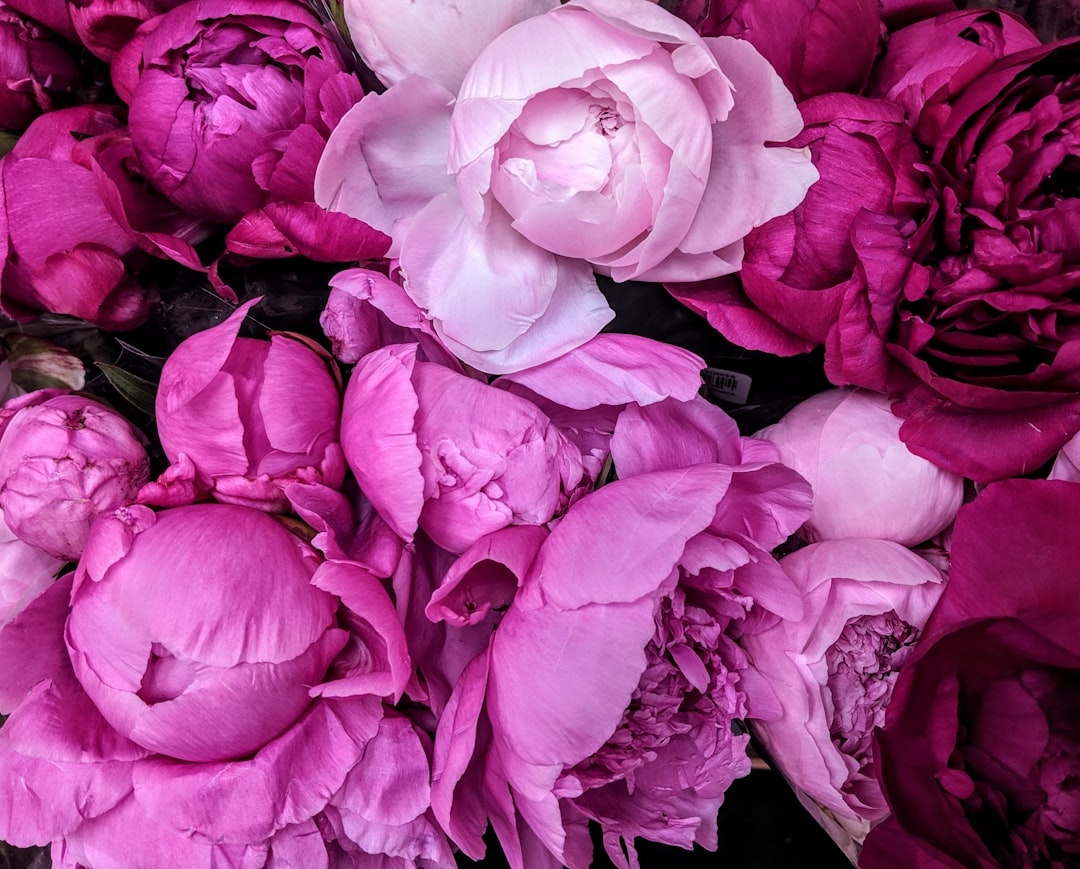
Each year, respected societies like the American Peony Society (APS) and the Royal Horticultural Society (RHS) accept dozens of new cultivars. Breeders rigorously test for hardiness (USDA Zones 3-8), color, form, and disease resistance.
Global Exchange
Chinese and Japanese heritage peonies add hundreds of cultivars to the global pool, many now available via US specialty importers like Peony’s Envy or Adelman Peony Gardens.
The Collector Effect
Some peony collectors in the US maintain private gardens with 100+ different cultivars. Regional peony festivals (e.g., Brookings, SD or Portsmouth, NH) showcase the breadth, luring gardeners to try rarities each season.
Peonies and the US Cut-Flower Market
Peonies are among the most profitable specialty cut flowers in America, rivaling tulips and ranunculus from April through June. In 2026, domestic peony stems sell for $4-12 each, with ‘Sarah Bernhardt’ leading wedding bookings on sites like UrbanStems and The Bouqs Co.
- Why Peony Variety Matters for Florists: The more cultivars, the longer the season and the wider the palette.
- Seasonal Staggering: Early, mid, and late-season varieties enable a continuous supply, critical for event florals.
Top Sellers to Watch
- ‘Coral Sunset’ (early)
- ‘Red Charm’ (mid)
- ‘Bowl of Cream’ (late)
“A five-week window becomes a ten-week season if you plant a diverse selection,” notes floral wholesaler Marcus Kim of Boston’s Back Bay Blooms.
Comparing Peony Varieties by Group
Below is a quick reference for gardeners and florists looking to sort the options:
| Group | Bloom Time | Flower Colors | Stem Height | Typical Use |
|---|---|---|---|---|
| Herbaceous | Late spring | Pink, red, white, coral | 24-36 inches | Gardens, cut flowers |
| Tree Peonies | Early spring | Purple, yellow, red, white | 36-60 inches | Landscapes, focal shrubs |
| Intersectionals | Late spring | Yellow, apricot, white, pink | 24-36 inches | Gardens, containers, cuts |
Fast Facts: Peony Varieties at a Glance
- Oldest registered cultivar: ‘Paeonia lactiflora ‘Rubra Plena’, dating back to the 1700s.
- Most popular US peony (2026): ‘Sarah Bernhardt’, accounting for 30% of US peony cut flower sales.
- Average garden lifespan: Peonies can thrive in one spot for 50-100 years.
FAQ: Peony Varieties
How many types of peonies are there in 2026?
There are over 3,000 recognized peony cultivars worldwide, including herbaceous, tree, and intersectional (Itoh) types. In the US market, about 700 cultivars are widely available.
What is the rarest peony variety?
Some of the rarest peony varieties are heirloom Chinese and Japanese tree peonies, such as ‘Yachiyo-tsubaki’, which are limited outside specialist nurseries and collector gardens.
Which peony has the biggest flower?
Herbaceous cultivars like ‘Dinner Plate’ and ‘Bowl of Cream’ produce blooms up to 10 inches across, making them among the largest in the peony world.
Are all peonies fragrant?
Not all peonies are fragrant, but many popular cultivars–such as ‘Sarah Bernhardt’ and ‘Festiva Maxima’–carry a strong, sweet scent. Newer varieties are bred specifically for enhanced fragrance.
Can peonies grow in all US states?
Peonies grow best in USDA zones 3-8. They struggle in subtropical climates like southern Florida or coastal Texas, but succeed almost everywhere else in the US.
Ready for peony season? Visit a local garden center or check out virtual peony festivals this year to experience the astounding variety firsthand. And if you fall in love with a new cultivar, you might just help make the next American peony legend.