Contents:
- How Many Varieties of Scabiosa Actually Exist? (Featured Snippet)
- What Is a Scabiosa, Exactly?
- Key Features
- The Main Types of Scabiosa in the US
- Specialty Varieties Gaining Traction
- Wild Species vs. Hybrid Varieties
- Wild Scabiosa Species
- Hybrid and Cultivated Forms
- Why So Many Varieties? (And What Makes Each Unique)
- Pull-Quote
- Where Can Americans Buy Scabiosa Varieties in 2026?
- Retail Nurseries and Florists
- Cut Flower Farms and Florists
- Online Specialty Sources
- Cost, Care, and Seasonality: What to Know Before You Buy
- Pricing
- Bloom Time
- Growing Tips
- FAQ About Scabiosa Varieties
- How many different types of scabiosa are there?
- Which scabiosa is best for cut flowers?
- Are scabiosa flowers perennial or annual?
- What colors does scabiosa come in?
- Can I grow scabiosa in containers?
How Many Varieties of Scabiosa Actually Exist?
There’s a reason why scabiosa pops up in wedding bouquets from Napa to Brooklyn: this humble “pincushion flower” outshines its delicate reputation, offering more diversity than most folks realize. Imagine a flower that comes in dozens of shades and forms, sometimes resembling wild cottage blossoms, other times offering structured, modern beauty. You’ll spot scabiosa at Bay Area farmers markets tucked among ranunculus and sweet peas, while East Coast florists rave about its vase life and versatility. But how many varieties of scabiosa actually exist? The answer surprises most even in 2026, as plant breeders and garden enthusiasts keep expanding the list.
How Many Varieties of Scabiosa Actually Exist? (Featured Snippet)
There are over 100 recognized varieties of scabiosa worldwide, spanning natural species and cultivated hybrids. In the United States, you’ll routinely find around 30-40 varieties available through local nurseries, specialty seed companies, and cut-flower growers. These range from classic Scabiosa caucasica (“Fama Blue”) to newly bred cultivars with frilly or oversized blooms.
What Is a Scabiosa, Exactly?
Scabiosa, also affectionately called “pincushion flower,” belongs to the honeysuckle family (Caprifoliaceae) and is native to Europe, Asia, and parts of Africa. With a name that harks back to its historic use against skin ailments (“scabies”), scabiosa has moved well beyond the herbal garden.
Key Features
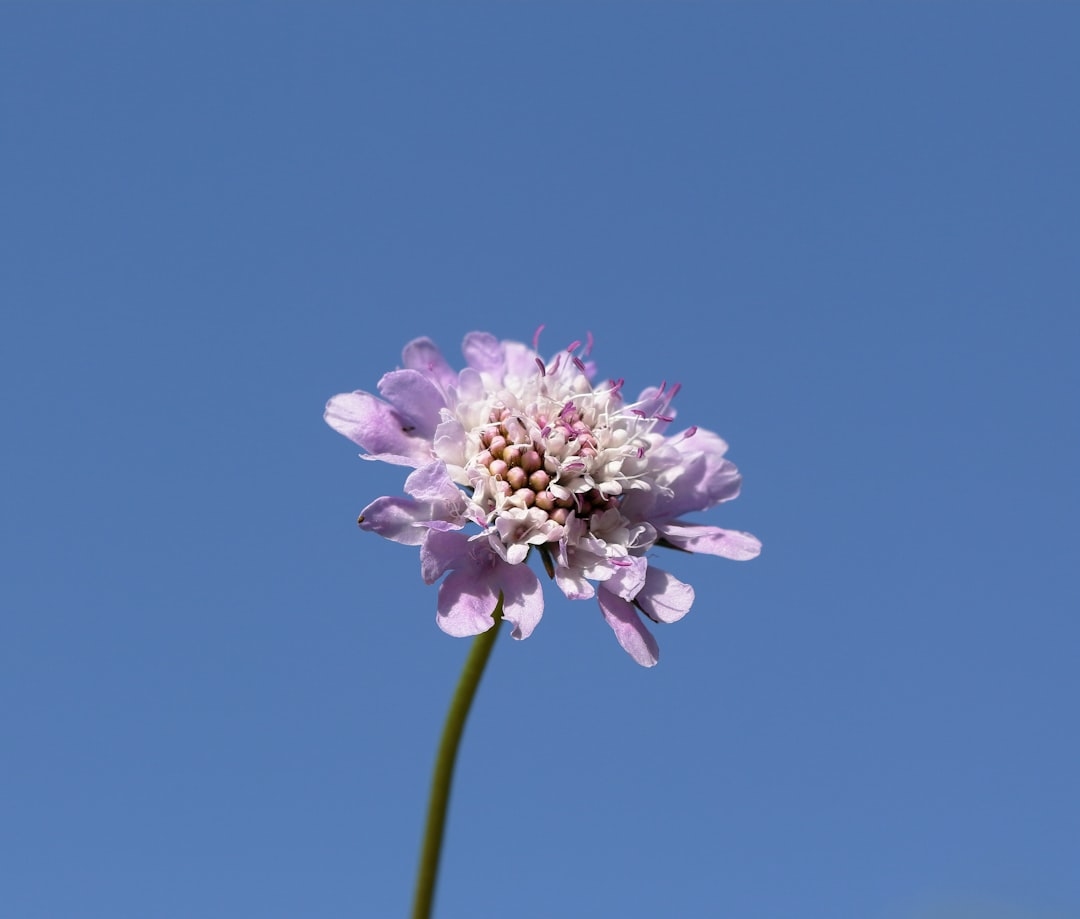
- Unique pincushion-like flowers that attract pollinators
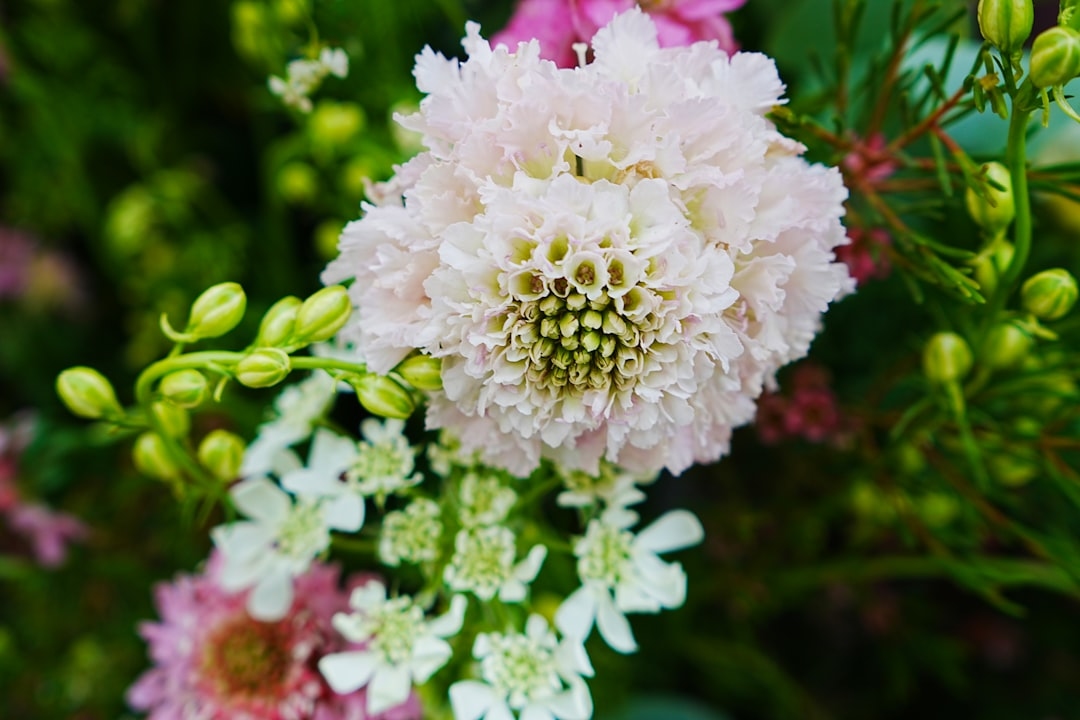
- Flower colors from sky blue, lavender, and pink to deep burgundy and pure white
- Popular for cutting, drying, and wildflower-style landscaping
“Scabiosa’s popularity in US floristry has doubled since 2020, especially for bridal bouquets and boutique event work.”
–Maya Liu, Owner, Petal & Stem Floral, Austin, TX
The Main Types of Scabiosa in the US
Scabiosa isn’t just one plant: it’s a varied genus with species adapted for garden beds, containers, and professional cutting. Here’s a breakdown of the most widely grown types in America:
| Species | Highlighted Variety | Height | Bloom Color | Main Use |
|---|---|---|---|---|
| S. caucasica | ‘Fama Blue’ | 24-36 in | Blue, lavender | Cut flower, beds |
| S. atropurpurea | ‘Black Knight’ | 18-24 in | Dark burgundy | Bouquets, wild |
| S. japonica | ‘Ritz Blue’ | 12-16 in | Blue, lilac | Borders, pots |
| S. columbaria | ‘Butterfly Blue’ | 12-18 in | Pale blue | Pollinator beds |
| S. stellata | ‘Drumstick’ | 24-36 in | Pale green, brown | Dried flowers |
Specialty Varieties Gaining Traction
- ‘Fata Morgana’: Creamy yellow, ruffled petals, top seller for garden weddings in 2026.
- ‘Salmon Queen’: Rare salmon-pink, offered by Floret Flowers (Washington) and Johnny’s Selected Seeds.
- ‘Snowmaiden’: Pure white, especially popular for classic white arrangements.
Wild Species vs. Hybrid Varieties
Wild Scabiosa Species
Botanists recognize 80+ true wild scabiosa species globally. In the US, a few wild-type species like Scabiosa ochroleuca (cream scabious) sometimes naturalize, especially in prairie or wildflower seed mixes.
Hybrid and Cultivated Forms
Modern breeders in the US and Europe have released dozens of hybrids since the early 2000s. According to Dr. Evan Marshall, horticulturist at Cornell University, “Cultivated scabiosa varieties have tripled since 2015, with new colors, petal shapes, and improved disease resistance.” US seed companies now list 25-40 named cultivars in 2026, from giant-flowered ‘Fama White’ to miniature ‘Ace of Spades’.
Why So Many Varieties? (And What Makes Each Unique)
Scabiosa’s genetic diversity gives breeders a lot to work with. Here’s how those differences play out:
- Color Range: Unlike many garden flowers, scabiosa naturally comes in purple, white, blue, pink and near-black shades.
- Form: Some varieties have dense, rounded “pincushion” centers, while others are more open and wild looking.
- Size: Blooms span from under 1” wide (miniature types) to nearly 4” across (‘Fama’ series).
- Seedpods: Certain types, like S. stellata, develop star-shaped pods beloved by florists for dried arrangements.
Pull-Quote
“The ‘Black Knight’ variety sells out first every Valentine’s Day–customers love that dramatic, moody color.”
–Rosa Jimenez, Lead Designer, FlowerBar NYC
Where Can Americans Buy Scabiosa Varieties in 2026?
Retail Nurseries and Florists
Most US garden centers now stock at least 3-5 scabiosa cultivars in spring. Look for seed packets from Burpee, seedlings from Monrovia, or specialty potted varieties at independent nurseries.
Cut Flower Farms and Florists
- Floret Flowers (WA) and Johnny’s Selected Seeds (ME) offer 10+ varieties each season, including rare new releases.
- UrbanStems and The Bouqs Co. often list scabiosa in spring-summer bouquets.
- Bulk event orders? Try FiftyFlowers.com or Mayesh.
Online Specialty Sources
- Seed companies: Select Seeds, Baker Creek Heirloom Seeds, Park Seed
- Rootstock/tubers: Brent & Becky’s Bulbs, American Meadows
With scabiosa’s popularity soaring in everything from California microfarms to Denver backyard beds, selection is broader than ever.
Cost, Care, and Seasonality: What to Know Before You Buy
Pricing
- Seeds: $4-$7 per packet (25-50 seeds)
- Young plants: $5-$12 each, depending on variety and nursery
- Fresh-cut stems: $1.50-$3 per stem retail (bouquet pricing varies, typically $50-$120 for a mixed dozen)
Bloom Time
Peak bloom generally runs from May to September in most US climates. Southern regions can sometimes squeeze in a late fall flush if planted in early spring.
Growing Tips
- Scabiosa thrives in full sun, with well-drained soil.
- Deadhead regularly to extend flowering.
- Most types are hardy in USDA zones 3-8; check cultivar specifics.
FAQ About Scabiosa Varieties
How many different types of scabiosa are there?
Globally, there are over 100 identified varieties, including wild species and cultivated hybrids. In the US, about 30-40 named varieties are widely grown and sold as seeds, plants, or cut flowers.
Which scabiosa is best for cut flowers?
The most popular scabiosa for cutting is Scabiosa caucasica, especially ‘Fama Blue’ and ‘Fama White’, thanks to their tall stems and large blooms. Scabiosa stellata is also prized for unique seedpods used in dried arrangements.
Are scabiosa flowers perennial or annual?
Some are annual (S. atropurpurea), others perennial (S. caucasica, S. columbaria). Always check the seed packet or plant tag. In warmer US zones, some annuals may self-sow and return the following year.
What colors does scabiosa come in?
Scabiosa blooms in a wide color range: pastel blue, lavender, white, pink, deep wine, cream, pale yellow, and even nearly black. New colors are released each year as breeders develop hybrids.
Can I grow scabiosa in containers?
Absolutely. Compact varieties like ‘Butterfly Blue’ and ‘Ritz Blue’ are ideal for pots or small urban gardens. Ensure good drainage and regular deadheading for best results.
Looking to add a touch of surprising variety to your garden, bouquet, or event work? Scabiosa’s ever-expanding menu of colors, shapes, and sizes makes it one of the most rewarding flowers for both gardeners and florists in 2026. If you’re on the hunt for a particular shade or form, don’t stop at your local nursery–explore specialty breeders, cut flower farms, or even plant swaps to discover new favorites. Tomorrow’s scabiosa might be a crossbreed blooming on a microfarm in Oregon or a novel color developed by a home gardener in Kentucky–so stay curious and keep your garden beds ready for something unexpected.