Contents:
- Preparation: What to Know Before You Buy Rose Bouquets or Flowers in a Vase
- Set a realistic budget
- Know your delivery window
- Decide: bouquet or vase
- Step 1: Research Local NJ Florists Before Committing to a Rose Bouquet
- Step 2: Compare Rose Bouquet Pricing and What’s Actually Included
- Step 3: Choose Between a Wrapped Bouquet and Flowers in a Vase
- Step 4: Check Freshness Before You Pay
- Step 5: Confirm Delivery Logistics for New Jersey Addresses
- Step 6: Care for Your Roses or Vase Arrangement Once They Arrive
- The Eco-Friendly Angle: Buying Flowers with Less Waste
- Common Mistakes to Avoid
- A Regional Note: Why New Jersey Buying Differs from the South or West Coast
- Pro Tips from Someone Who’s Bought Dozens of These
- FAQ: Buying Rose Bouquets and Vase Arrangements in New Jersey
- How much should I expect to pay for a dozen roses in New Jersey?
- Is same-day flower delivery available in New Jersey?
- Do flowers in a vase last longer than a wrapped bouquet?
- How can I tell if roses are fresh before buying?
- What’s the most common reason flowers wilt early after delivery?
Most bouquets bought in New Jersey are dead within four days — not because roses are fragile, but because almost nobody buying them knows what to check before handing over their money. A dozen roses from a gas station cooler and a dozen roses from a real nj flower shop can look nearly identical under fluorescent lighting, yet one will wilt by Thursday and the other will still be opening on Sunday. The difference comes down to a handful of details most first-time buyers never think to ask about: stem cut age, water temperature during transport, cooler storage, and how the arrangement gets from the shop to your door.
This guide walks through exactly how to buy a flower bouquet of roses or a vase arrangement in New Jersey without overpaying or getting stuck with flowers that droop before your dinner guests arrive. We’ll cover pricing ranges, delivery logistics specific to NJ’s dense suburban geography, freshness testing, and the mistakes that trip up nearly every first-time buyer.
Preparation: What to Know Before You Buy Rose Bouquets or Flowers in a Vase
Before contacting any florist, figure out three things: your budget range, your delivery window, and whether you actually need a vase included. These three decisions shape almost every choice that follows.
Set a realistic budget
In New Jersey, a dozen standard red roses typically runs $65–$95 depending on the season and the town. Prices spike around Valentine’s Day (often 40–60% higher) and Mother’s Day. A mixed arrangement of flowers in vase — think roses paired with hydrangea, eucalyptus, or seasonal filler — usually falls between $55 and $120, with the vase itself adding $10–$20 to the cost versus a wrapped bouquet. Premium or garden roses (larger heads, more petals, imported varieties) push costs up another 20–30%.
Know your delivery window
New Jersey’s town-by-town layout means delivery radius matters more here than in most states. A shop based in Union County might deliver same-day within 10 miles but charge extra or push to next-day beyond that. Ask upfront: same-day cutoff time (usually 1–2 PM), delivery fee by zip code, and whether weekend delivery is available. Central Jersey towns like Edison, Woodbridge, and Metuchen often sit within a single florist’s core delivery zone, while requests heading toward the Shore or up toward Bergen County may need advance notice.
Decide: bouquet or vase
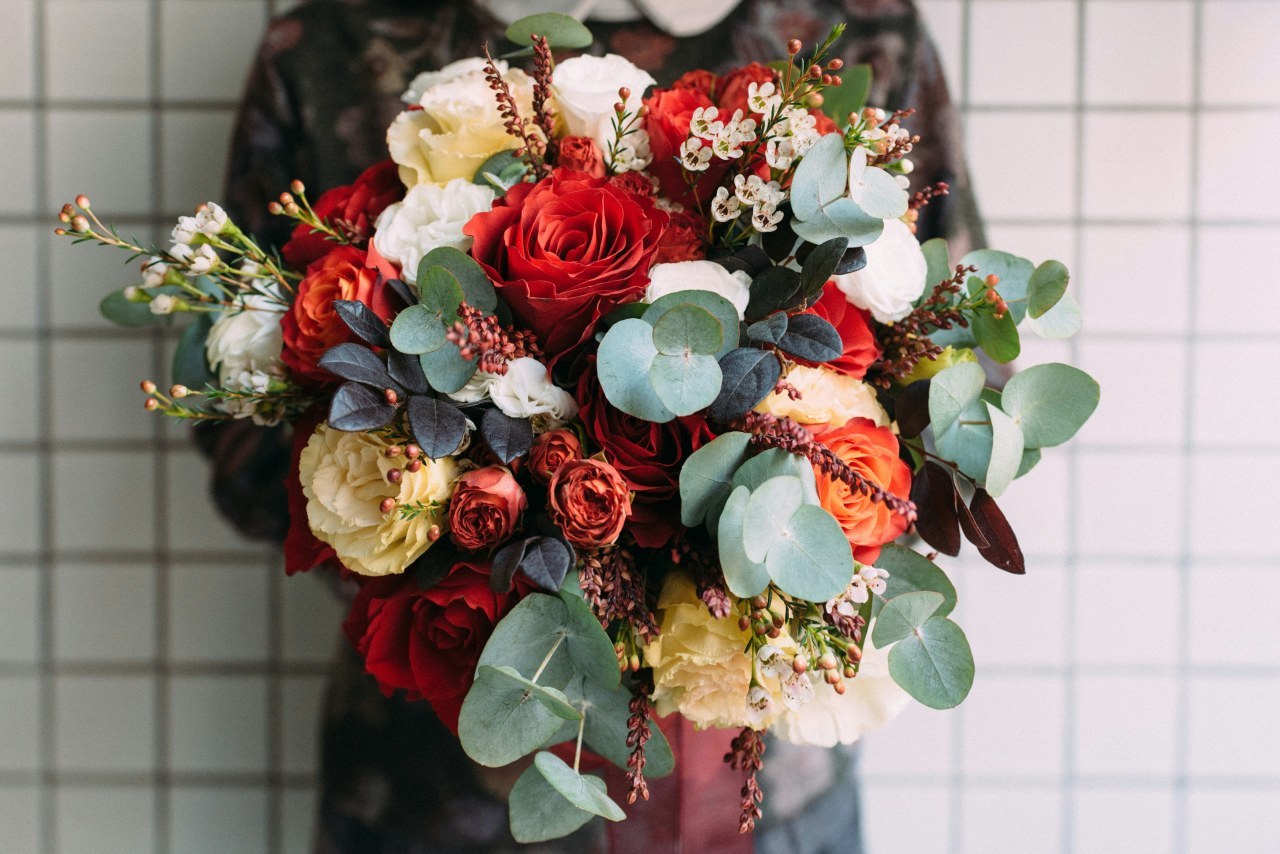
A wrapped bouquet is cheaper and easier to transport but requires the recipient to find their own vase and trim stems immediately. A vase arrangement arrives ready to display, holds water reserves already, and generally lasts a day or two longer because the stems aren’t sitting dry during transit. For gifts to offices, hospitals, or elderly relatives, vase arrangements are almost always the better call.
Step 1: Research Local NJ Florists Before Committing to a Rose Bouquet
Skip the national wire services (1-800-Flowers, FTD-affiliated sites) if you want quality control. These services relay your order to a local florist who fills it based on a photo you never see matched exactly — substitutions are common and disclosed only in fine print. A local shop that grows or sources its own inventory and arranges every order in-house gives you a direct line of accountability. Look for a shop with a physical storefront, a phone number that gets answered by a person, and photos on their site that look like actual completed orders rather than stock photography.
Step 2: Compare Rose Bouquet Pricing and What’s Actually Included
When comparing prices, ask exactly what’s in the box: stem count, rose size (in centimeters, if the shop tracks it — 50cm stems are a good baseline for full-size roses), whether greenery and filler are included, and whether the price includes the vase or wrapping paper. A $70 “dozen roses” listing that turns out to be 8 roses plus 4 stems of filler is a different product than a true dozen. Reputable New Jersey florists list stem counts plainly; if a listing is vague about exactly how many roses you’re getting, ask before ordering.
Step 3: Choose Between a Wrapped Bouquet and Flowers in a Vase
This is where most buyers underthink the decision. A bouquet photographs beautifully and costs less, but it’s a temporary state — the recipient needs a vase, clean water, and about ten minutes within the first hour to actually set it up properly. A vase arrangement solves that problem entirely and tends to hold shape better through delivery, since the stems are anchored and hydrated the whole trip. For anniversaries, sympathy arrangements, or anything going to a workplace, vase arrangements remove friction for the recipient. For a same-day romantic gesture where you’ll be present to unwrap it together, a bouquet still works fine.
Step 4: Check Freshness Before You Pay
Freshness is the single biggest variable in whether your money was well spent. Three checks take under a minute:
- Petal firmness: Gently squeeze a rose head near the base. Fresh roses feel firm and slightly springy. Roses that feel soft or papery are already past their peak, regardless of how the bouquet looks from three feet away.
- Guard petals: The outermost petals (guard petals) should look slightly rougher than the inner petals — that’s normal and protective. What’s not normal is browning edges or a translucent, bruised look, which signals cold damage or age.
- Stem base color: Ask to see the cut end of a stem if picking up in-store. It should be pale green or white, not brown or slimy. Brown stem ends mean the flower has been sitting uncut in the same water for days.
Florists who cut and process daily won’t hesitate to show you this. Shops padding out old inventory tend to get cagey about it.
Step 5: Confirm Delivery Logistics for New Jersey Addresses

New Jersey delivery has its own quirks. Apartment buildings in denser towns like Jersey City or New Brunswick often require buzzer codes or doorman drop-off, which slows delivery windows — flag this when ordering. Suburban single-family home deliveries in Central Jersey towns tend to run faster and more predictable, often within a 2-hour window rather than an all-day estimate. Confirm three things at checkout: the delivery date, a specific time window (not just “by end of day”), and a direct phone number in case the driver can’t find the address. Refrigerated delivery vehicles matter more in July and August — ask if the shop uses a cooled van, since a bouquet sitting in a hot car for 45 minutes loses days of vase life.
Step 6: Care for Your Roses or Vase Arrangement Once They Arrive
Recut stems at a 45-degree angle immediately upon arrival, even for vase arrangements — an extra half-inch of fresh cut opens the water uptake channels that closed during transport. Change the water every two days, not just when it looks cloudy; bacterial buildup starts before it’s visible. Keep arrangements away from direct sun, heating vents, and fruit bowls (ripening fruit releases ethylene gas, which accelerates wilting). Roses in a proper vase with clean water and the included flower food packet typically last 6–8 days; skipping the food packet alone can cut that lifespan by two days or more.
The Eco-Friendly Angle: Buying Flowers with Less Waste
Cut flowers carry a bigger environmental footprint than most buyers realize — imported roses often travel by refrigerated air freight from South America or Africa, racking up carbon miles before they ever reach a New Jersey cooler. Buying from a florist who sources regionally or seasonally when possible cuts down on that footprint substantially. Beyond sourcing, ask about compostable or reusable packaging — plastic water tubes and non-recyclable cellophane sleeves are avoidable with a shop that’s made the switch. Reusable glass or ceramic vases also beat one-time plastic vases sent with grocery-store bouquets; a proper flowers in vase arrangement in a keepable container means the vessel gets reused for years instead of tossed after one arrangement.
Compost the spent flowers and greenery rather than bagging them for landfill — a home compost bin or municipal green waste program (many NJ towns run one) turns rose stems and filler into usable soil instead of methane-producing landfill waste.
Common Mistakes to Avoid
- Ordering based on photos alone: Stock photography and wire-service listings frequently don’t match what arrives. Always confirm stem count and variety in writing.
- Ignoring the delivery cutoff time: Placing an order at 3 PM for same-day delivery often misses the shop’s morning processing window, pushing the order to the next day without warning.
- Skipping the flower food packet: Tossing the little powder packet that comes with an arrangement is one of the most common ways buyers cut days off the flowers’ life for no reason.
- Assuming all “dozen roses” listings are equal: Stem length, rose size, and freshness vary wildly between sellers at similar price points. A cheaper listing padded with filler stems isn’t actually a better deal.
- Leaving arrangements in a hot car or entryway: Even 20 minutes in a warm car during summer months can visibly shorten vase life.
A Regional Note: Why New Jersey Buying Differs from the South or West Coast
Flower buying isn’t identical everywhere. In parts of the South, backyard-grown and farmers-market flowers are common and cheap for much of the year thanks to a longer growing season, which keeps expectations around price lower. On the West Coast, proximity to California’s flower farms means fresher stock and often lower prices for domestic varieties like roses and ranunculus. New Jersey sits in a tougher spot — a shorter local growing season means most roses sold here, even by excellent local shops, are sourced from wholesale markets or imported, and winter deliveries require more careful cold-chain handling than in warmer climates. That’s part of why working with an established, high-volume nj flower shop matters more in this region: consistent wholesale relationships and proper cooler storage make up for what the local climate can’t provide.
Pro Tips from Someone Who’s Bought Dozens of These
- Order two to three days ahead for any date-specific delivery (birthdays, anniversaries) rather than same-day, since florists prioritize pre-booked orders during their morning processing.
- Ask for “market fresh” stock if available — some shops distinguish between flowers received that morning versus flowers held over from a prior delivery.
- If ordering for a hospital delivery, request a smaller vase footprint — many NJ hospitals restrict arrangement size on bedside tables.
- For events, order a day early and store arrangements in the coolest room in the house, away from windows, to buy extra freshness before display day.
- When in doubt about quantity, choose two dozen roses split across two smaller vases rather than one oversized arrangement — it photographs better and is easier for the recipient to relocate around their home.
Flowers Central Jersey has built its process around exactly these details — daily-cut stock, in-house arranging rather than wire-service relay, and delivery routes mapped tightly around Central Jersey towns so windows stay predictable rather than “sometime today.” That kind of operational discipline is what separates a bouquet that lasts a week from one that’s drooping by Wednesday.
FAQ: Buying Rose Bouquets and Vase Arrangements in New Jersey
How much should I expect to pay for a dozen roses in New Jersey?
Budget $65–$95 for a standard dozen outside of peak holidays, with prices rising 40–60% around Valentine’s Day. Premium or garden rose varieties run higher.
Is same-day flower delivery available in New Jersey?
Often yes, provided the order is placed before the shop’s cutoff time (usually early afternoon) and the delivery address falls within their core service radius. Addresses further out may need next-day delivery instead.
Do flowers in a vase last longer than a wrapped bouquet?
Generally yes. Vase arrangements arrive already hydrated and anchored, while wrapped bouquets need immediate care from the recipient to match that same longevity.
How can I tell if roses are fresh before buying?
Check for firm (not soft) petal heads, guard petals without browning, and pale stem ends rather than brown or slimy ones. Any florist confident in their stock will let you check these details.
What’s the most common reason flowers wilt early after delivery?
Skipping the recut-and-food-packet step on arrival, plus leaving arrangements near heat sources or in direct sunlight. Both are avoidable with about five minutes of care right after delivery.

Add Comment