Contents:
- Short Answer: iPhone or DSLR for Florist Content?
- What Matters for Florist Photography in 2026
- How Florists Use Photos
- Key Differences: iPhone vs DSLR for Florists
- Real-World Scenarios: When to Use Each
- Daily Content Creation: iPhone Wins
- High-End Editorial, Print, and Close-Up Artistry: DSLR Shines
- The New iPhone: How Good Is It for Florists?
- AI-Powered Photography for Flowers
- Unmatched Convenience
- Where DSLRs and Mirrorless Still Rule
- Image Quality & Control
- Advanced Editing and Retouching
- Professional Presentation
- What About Hybrid Options? (Mirrorless, Compact & Third-Party Apps)
- Making the Most of Whatever Camera You Use
- Quick Tips for Florists
- FAQ: Quick Answers for Florist Photographers
- What’s the main difference between using an iPhone vs a DSLR for floristry in 2026?
- Can I shoot professional-quality flower photos with just my iPhone?
- How much does it cost to invest in a DSLR setup for floral photography?
- Do flower delivery services or e-commerce platforms require DSLR images?
- Should I hire a professional photographer for my floral business?
- Takeaway: Start Shooting (and Keep Evolving)
iPhone vs DSLR for Florist Content: A Practical 2026 Guide
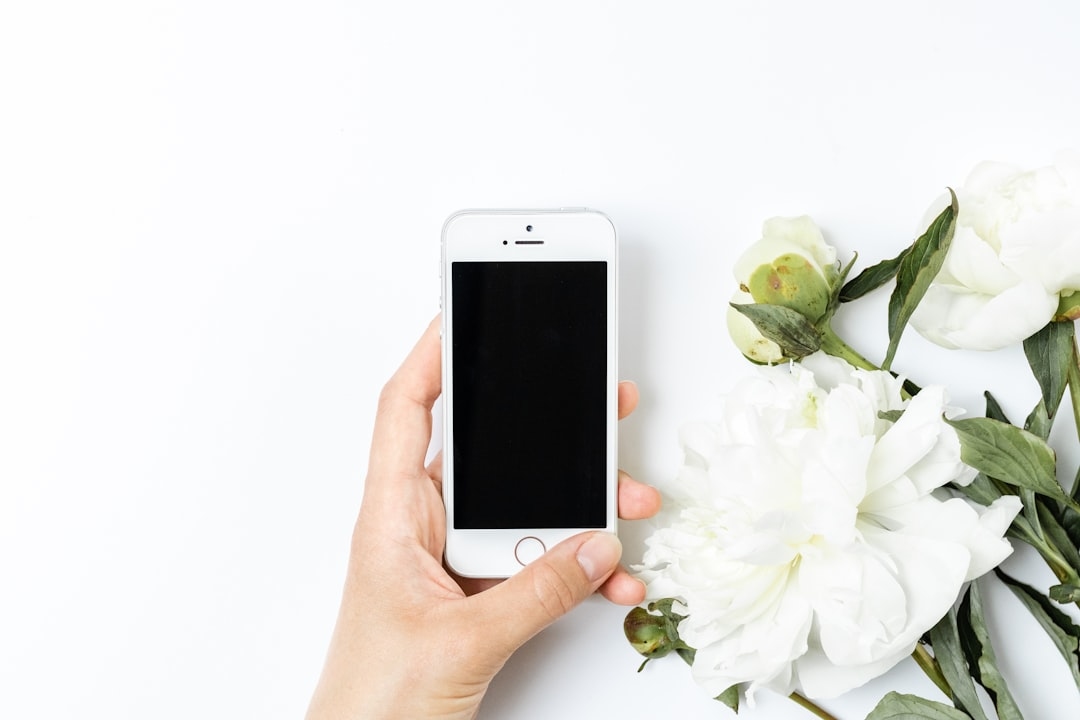
A $300 peony arrangement only gets you so far – the rest is what your camera turns it into. Every florist feels the pressure. You need photos that not only do your blooms justice but help them sell. But when you scroll Instagram and see dreamy, high-end floral shots, it’s normal to wonder: Is my iPhone enough, or do I need a “real” camera? In 2026, the line is fuzzier (and more exciting) than ever.
Short Answer: iPhone or DSLR for Florist Content?
For most florists in 2026, a modern iPhone (like the iPhone 17 Pro) is the best all-around camera for creating social media and website content. DSLRs offer more control and ultimate image quality, but require more setup, editing, and training. If your main focus is quick, consistent floral photos and videos for online use, stick with your phone. For large prints, magazine features, or dramatic creative shoots, add a DSLR or mirrorless camera.
What Matters for Florist Photography in 2026
Not every flower shop or event designer has the same needs. Before getting lost in gear specs, it helps to ask: What will these photos actually do for your business?
How Florists Use Photos
- Instagram, TikTok, Facebook: Fast, daily content
- Website galleries & e-commerce: Product shots, hero images
- Print promotions: Flyers, mailers, banners
- Media & PR: Editorial features, magazine submissions
Each use-case puts different demands on your images. An iPhone 17 Pro, for example, delivers bright, share-ready pics instantly–ideal for social. But if you’re aiming for a 3×4-foot wall print at your next bridal expo, a full-frame DSLR or high-end mirrorless camera (think Canon EOS R6 Mark III or Nikon Z7 II) wins for detail and dynamic range.
Statistic: According to the Society of American Florists 2025 Survey, 82% of US florists report their phone as their “primary camera,” but 38% say they “also use a DSLR/mirrorless for special shoots.”
Key Differences: iPhone vs DSLR for Florists
How do smartphones and DSLRs really stack up, flower for flower?
| Feature | iPhone 17 Pro (2026) | DSLR (e.g., Canon R6 III) |
|---|---|---|
| Sensor Size | ~1/1.14″ (Quad-Bayer) | Full-frame (35mm) |
| Megapixels | 48MP (main), 12MP (ultra) | 20-45MP (varies by body) |
| Depth of Field/Bokeh | Computational + lens | True optical, lens-dependent |
| Low Light | Excellent, AI-driven | Superior with good lenses |
| File Flexibility | HEIC/JPEG/ProRAW | RAW, more editing headroom |
| Ease of Use | Very high, instant sharing | Moderate, requires workflow |
| Cost | $1,199+ (unlocked) | $2,800+ (body & basic lens) |
| Portability | Pocket-friendly | Bulky, needs bag/case |
| Video | 4K up to 120fps, cinematic | 4K/8K, pro-grade, flexible lenses |
“For quick content, I grab my iPhone every time. But when I need gallery prints or magazine features? That’s when the DSLR comes out,” says Jenna Long, owner of Wild Stem Co. in Austin, TX.
Real-World Scenarios: When to Use Each
Daily Content Creation: iPhone Wins
- Speed: Shoot, edit, and post in under 5 minutes.
- Editing: Built-in AI fixes color and exposure on the fly.
- Consistency: Apple’s camera software is tuned for vibrant, realistic florals. The iPhone 17 Pro’s ‘Flower Mode’ (launched in 2025) even auto-detects petals and enhances textures without oversaturating.
- Video: ProRes and Cinematic modes allow buttery smooth 4K video reels – ideal for Instagram Stories or TikTok.
Example: A Valentine’s Day bouquet reveal goes from shop table to social in minutes, keeping up with trending hashtags.
High-End Editorial, Print, and Close-Up Artistry: DSLR Shines
- Resolution: True 45MP RAW files for sharp, poster-sized prints.
- Lens Choices: Macro lenses isolate a single rose; wide aperture primes create creamy, natural background blur.
- Lighting Control: Manual exposure and off-camera flash setups adapt to any studio or on-site event.
- Customization: Every variable, from white balance to focus points, is in your hands.
Statistic: Event design teams using pro cameras see up to 25% higher engagement on published print features, according to WeddingWire Trends 2026.
The New iPhone: How Good Is It for Florists?
Apple’s 2026 handsets have blurred the line between phone and pro camera. Here’s where the iPhone platform excels for floral content.
AI-Powered Photography for Flowers
- Petal Recognition: Detects flower types/mixes and chooses the best preset.
- Live Bokeh: Adjustable depth-of-field even after shooting.
- Lighting Correction: Eliminates harsh shadows from shop fluorescents or window glare.
- Macro Mode: Focus as close as 2cm – detail every pollen grain.
Expert Insight: “The latest iPhones render anemones and ranunculus with truer reds and whites than any previous phone sensor,” notes Mark Yost, floral photographer and author of “Picture-Perfect Petals” (2023).
Unmatched Convenience
- Airdrop & Instant Sharing: Content goes straight to your social team or scheduling apps.
- Editing Apps: Snapseed, VSCO, and Adobe Lightroom Mobile handle color tweaks and resizing without a laptop.
- Cloud Backup: Never lose a shot. Every photo is synced and searchable by flower type or client name.
Where DSLRs and Mirrorless Still Rule
Even as phones catch up, pro-grade cameras offer advantages for serious floral creators:
Image Quality & Control
- Dynamic Range: Recover detail in highlights/whites (especially for bridal bouquets).
- Lens Choice: 100mm macro for flower close-ups, 85mm f/1.4 for creamy portraits with arrangements.
- Flash & Studio Lights: Sync with off-camera strobes for dramatic, shadowless shots.
Advanced Editing and Retouching
- RAW Files: Preserve every bit of color and contrast for magazine-quality edits.
- Color Grading: Subtlety in hues – perfect purples, clean whites – matters for high-end branding.
Professional Presentation
- Large Prints: Wall art, signage, storefront banners won’t pixelate or lose clarity.
- Editorial Submissions: Many print publications (like Florists’ Review or Martha Stewart Weddings) still require high-res, uncompressed files.
Price Note: Expect to invest $2,800-$5,500 for a midrange full-frame camera and lens, plus another $500+ in accessories.
What About Hybrid Options? (Mirrorless, Compact & Third-Party Apps)
Mirrorless cameras are the new standard among professional creatives in 2026 – smaller and lighter than DSLRs, with equivalent (or better) image quality. Popular picks:
- Canon EOS R7 ($1,699): Cropped sensor, fast autofocus, great for action shots at events.
- Sony α7 IV ($2,599): Full-frame, versatile, renowned for color science.
- Fujifilm X-T5 ($1,499): Beloved for unique film simulations, great for dreamy floral looks.
Compact Cameras (like the Ricoh GR IIIx) or even high-end Android phones (like the Google Pixel Ultra) also deliver surprising results for florists who want something between a phone and a full rig.
A growing trend: use both. Document the chaos of wedding prep with your iPhone; stage portfolio shots with your mirrorless kit.
Making the Most of Whatever Camera You Use
It’s not only about gear. Technique and workflow make a bigger difference than spending thousands on a new body or lens.
Quick Tips for Florists
- Light matters: Use indirect natural light near a north-facing window–or add a $150 LED ring light for consistency.
- Backgrounds: Solid color paper or a neutral wall keeps focus on the flowers.
- Angles: Shoot slightly from above for bouquets, eye-level for installations, ultra-close for details.
- Edit with restraint: Small tweaks to sharpness, saturation, and warmth are often enough.
- Batch process: Shoot several arrangements at once. Edit and schedule posts for the week in one go.
“Clients respond to warmth and authenticity in your flower photos, not just technical quality,” says Alexandria Carter, founder of Petal & Stem Design, San Francisco.
FAQ: Quick Answers for Florist Photographers
What’s the main difference between using an iPhone vs a DSLR for floristry in 2026?
iPhones are faster and easier for day-to-day floral content–especially for social media–while DSLRs offer higher image quality, more control, and are better for large prints or magazine publication.
Can I shoot professional-quality flower photos with just my iPhone?
Yes. The latest iPhones (16 Pro/17 Pro) have professional-grade cameras with AI enhancements, macro modes, and advanced editing tools. Many florists rely solely on their phones for online content.
How much does it cost to invest in a DSLR setup for floral photography?
Expect to spend between $2,800 and $5,500 for a quality DSLR or mirrorless body with a good lens and basic accessories in 2026.
Do flower delivery services or e-commerce platforms require DSLR images?
Most major US platforms (like BloomNation, 1-800-Flowers, and Teleflora) accept high-resolution smartphone images, as long as they’re sharp and well-lit. For print ads or catalog features, DSLR/mirrorless images may be preferred.
Should I hire a professional photographer for my floral business?
For major branding shoots, events, or print media, it’s smart to bring in a pro with high-end equipment and floral styling experience. For everyday social media or product updates, your iPhone will do just fine.
Takeaway: Start Shooting (and Keep Evolving)
In 2026, the best camera for florists is often the one you already own – and know how to use. Grab your iPhone 17 Pro for daily content, and if your business grows or you crave more creative control, add a DSLR or mirrorless kit as needed. Still obsessed with perfect petals and exact colors? Try a hybrid approach. What truly counts: consistency, authenticity, and making each bloom shine online.
Next step: Pick one arrangement, grab your camera (whichever it is), and post a photo today. Your feed – and your customers – will thank you.