Contents:
- What is the Ohara School of Ikebana? (Featured Snippet)
- The Heart of Ohara Ikebana: History & Philosophy
- Key Principles
- Moribana and Beyond: Styles Taught by Ohara School
- Ohara School’s Methods: What Happens in a Class?
- Lesson Structure
- What You’ll Learn (Year 1 vs. Advanced)
- Ohara Ikebana in the US: Growth, Community, and Access
- Classes and Public Events
- Supplies and Accessibility
- Ohara School vs. Other Ikebana Traditions
- Why Practice Ohara Ikebana? Health, Mindfulness, and Modern Living
- Sourcing Flowers in the US
- Starting Your Ohara Journey: Classes, Books, and DIY
- Find a US Chapter or Instructor
- Book and Online Resources
- Supplies Checklist
- FAQ
- What makes Ohara Ikebana unique among Japanese flower arranging schools?
- How do I join an Ohara School class in the US?
- What basic tools do I need to start Ohara Ikebana?
- Can Ohara Ikebana be practiced with American flowers?
- Is Ohara Ikebana expensive to pursue as a hobby?
Ohara School of Ikebana – Complete Overview
A single stem in a shallow bowl, subtle but arresting–Ikebana isn’t just flower arranging. It’s centuries of artistry distilled into calm, intentional beauty. In Tokyo, Los Angeles, and New York, the Ohara School of Ikebana stands out for its fresh, almost painterly approach. Here’s what makes Ohara Ikebana different, how it took root in the US, and what you’ll actually learn if you step inside one of their classes.
What is the Ohara School of Ikebana? (Featured Snippet)
The Ohara School of Ikebana is a Japanese floral art tradition founded in 1895 by Unshin Ohara. It specializes in naturalistic flower arrangements, especially the “moribana” style, using shallow, wide containers. Unlike more rigid schools, Ohara Ikebana encourages seasonal materials and a painterly, landscape-inspired style that’s both meditative and expressive. With branches across the US, it offers beginner to master-level courses and public exhibitions.
The Heart of Ohara Ikebana: History & Philosophy
Unshin Ohara–born 1861 in Matsue–founded his school in response to Japan’s modernization, importing Western flowers and containers. By 1895, Ohara was already experimenting with moribana: arranging flowers in shallow, wide vessels instead of the traditional tall vases. This shift echoed broader changes in Japanese life, from architecture to garden design.
Why does this matter? Moribana opened up horizontal space, allowing for landscape-like compositions. Ohara arrangements often evoke lakesides, distant mountains, or a single tree against open sky. According to Dr. Amy Sato, floral historian at UCLA, “The Ohara School’s genius is bringing the outside world indoors, in a way that feels spontaneous but is deeply considered.”
Key Principles
- Naturalism: Use seasonal flowers and branches, often foraged locally.
- Balance: Work with asymmetry and negative space, echoing Japanese aesthetics.
- Process: Each step, from stem selection to angle placement, has purpose.
The school’s motto, “Let us always strive to be creative and individual,” captures a core Ohara conviction–arrangements should reflect the arranger’s own feeling for nature, not rote repetition.
Moribana and Beyond: Styles Taught by Ohara School
Ohara is best known for moribana, but that’s just the beginning. Here’s a quick rundown:
| Style | Container Type | Typical Materials | Visual Effect |
|---|---|---|---|
| Moribana | Shallow, wide bowl | Branches, mixed flowers | Open, landscape-like, dynamic |
| Heika | Tall, narrow vase | Longer branches, minimal | Upright, vertical, elegant |
| Hanamai | Varied (often flat) | Modern, mixed blooms | “Dancing” flowers, playful movement |
| Rimpa | Tray or low dish | Colorful seasonal flowers | Evokes classic Japanese painting style |
Pull-quote:
“Ohara Ikebana is a conversation between flowers, water, and the arranger. Each style is like a dialect–same language, unique sound.”
– Yoko Lancaster, Ohara instructor, San Francisco
Ohara School’s Methods: What Happens in a Class?
Stepping into an Ohara class in New York or Seattle, you won’t just be handed a bunch of lilies and told to ‘arrange freely.’ There’s a method to this artistry.
Lesson Structure
- Introduction to Materials
The teacher, often a certified 2nd or 3rd Term Master, explains the mechanics: kenzan (pin frog), suiban (bowl), and how to prep stems. - Demonstration
Live arrangement, step by step. - Hands-On Practice
Students create their own moribana, guided and corrected (gently). - Critique and Adjustment
Discussion of line, balance, and intention.
What You’ll Learn (Year 1 vs. Advanced)
- First-year lessons focus on the three main lines: Shin (main), Soe (secondary), Hikae (tertiary), plus correct water levels and angles.
- Intermediate and advanced students branch into seasonal themes, rimpa, and branch manipulation.
Classes run about $25-$50/session in most US cities as of 2026–compare that to $75+ for Western floral design workshops at top studios. Certification, if you pursue it, is tracked via official Ohara School record books and includes national exams.
Ohara Ikebana in the US: Growth, Community, and Access
Americans first encountered Ikebana during the post-WWII period, as Japanese culture spread through art, architecture, and gardening. The Ohara School opened its first US branch in Los Angeles in 1957. Today in 2026, you’ll find chapters in:
- Los Angeles (Westside Japanese Cultural Center)
- San Francisco (Japanese Tea Garden)
- New York City (Japan Society)
- Portland, Seattle, Chicago, Houston, and more
There are over 1,600 registered Ohara students across the US, according to the National Ohara Ikebana Association (2026 membership survey).
Classes and Public Events
- Weekly or biweekly classes (in-person, sometimes virtual since 2021)
- Public exhibitions at museums and gardens–Brooklyn Botanic Garden hosts an annual Ohara show every April
- “Ikebana for Kids” and therapeutic workshops for senior centers
Supplies and Accessibility
Basic Ohara materials are simple: a suiban, kenzan, pruning scissors. US-based suppliers like JapanBargain, Afloral, and Amazon US stock kits ($35-$100). Fresh flowers for practice can be sourced from Trader Joe’s, Whole Foods, or florists like UrbanStems, which now offers Ikebana-style bouquets for $58-$92.
Ohara School vs. Other Ikebana Traditions
Ikebana is an umbrella term, but not all schools embrace the same philosophy. Here’s how Ohara stands apart:
| Feature | Ohara | Sogetsu | Ikenobo |
|---|---|---|---|
| Founded | 1895, Osaka | 1927, Tokyo | 1462, Kyoto |
| Core Style | Moribana (landscape, shallow) | Freestyle/Modern | Rikka/Traditional |
| Approach | Painterly, naturalistic | Avant-garde, experimental | Structured, formal |
| US Presence | Strong (esp. West Coast) | Widespread, modern appeal | Historic, less common |
| Materials | Seasonal/local focus | Mixed, any medium | Mainly classical flora |
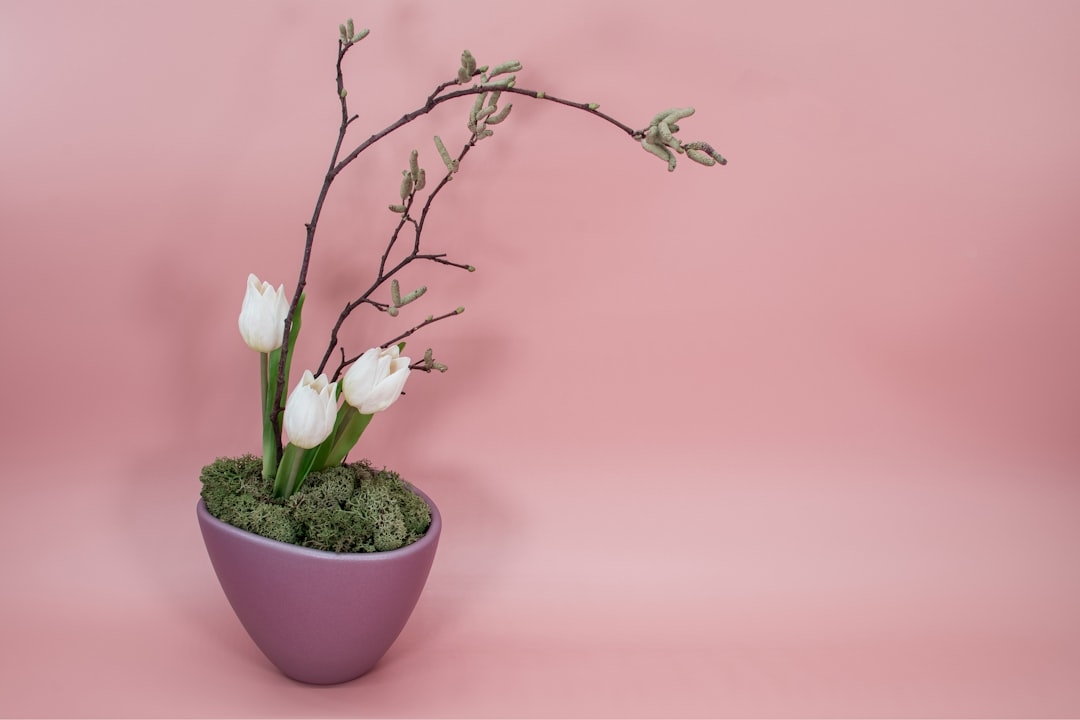
Ohara is considered less rigid than Ikenobo, and more focused on nature than Sogetsu’s sculptural experiments. “If you love the idea of walking through a garden, then putting that feeling in a bowl–Ohara is for you,” says Louise Tanaka, master instructor (Ohara Los Angeles).
Why Practice Ohara Ikebana? Health, Mindfulness, and Modern Living
It’s not just about pretty arrangements. US-based psychologist Dr. Michelle Rivera, PhD, notes that regular Ikebana practice lowers stress: “In a 2025 study of 400 adults, weekly Ikebana coincided with a 22% drop in self-reported anxiety. Ohara, in particular, emphasizes meditative observation of nature.”
For apartment-dwellers or anyone craving a break from screens, even a small Ohara arrangement on the kitchen table changes the mood of a room. Plus, it’s a refreshingly affordable creative hobby–initial setup under $100, flowers under $10/week.
Sourcing Flowers in the US
- Spring: ranunculus, tulips, forsythia
- Summer: sunflowers, grasses, hydrangea
- Fall: maple branches, asters, mums
- Winter: pine, camellia, berries
Pro tip: Farmers’ markets and online services like The Bouqs Co. now offer “Ikebana stems bundles.”
Starting Your Ohara Journey: Classes, Books, and DIY
Ready to try? Here’s how to start with Ohara Ikebana in 2026:
Find a US Chapter or Instructor
- Ohara School of Ikebana, International Headquarters
- Local chapters (Google “Ohara Ikebana + [your city]”)
- Meetup.com or Eventbrite often lists intro workshops
Book and Online Resources
- “The Art of Ohara Ikebana” by Houn Ohara (classic, $32 on Amazon)
- YouTube: “Ohara Ikebana Tutorials” channel, run by US-based teacher Lisa Yamamoto
- Online lessons, $25-$40 per class; many now offered via Zoom
Supplies Checklist
- Suiban (shallow bowl, 11″ recommended size)
- Kenzan (pin frog, stainless steel for durability)
- Pruning shears (Japanese or Fiskars brand)
- Fresh flowers/branches (local market or florist)
Small investments, huge impact.
FAQ
What makes Ohara Ikebana unique among Japanese flower arranging schools?
Ohara Ikebana stands out for its naturalistic, landscape-inspired style and its use of shallow containers (moribana). Unlike traditional, vertical arrangements, Ohara encourages more horizontal, painterly compositions that evoke scenes from nature. It also emphasizes self-expression and seasonal materials.
How do I join an Ohara School class in the US?
You can join by contacting your nearest chapter, often located at Japanese cultural centers or botanic gardens in major cities. Many instructors also offer independent workshops, listed on Eventbrite or Meetup. Most beginner classes are open to the public and provide all materials for a small fee.
What basic tools do I need to start Ohara Ikebana?
The essentials are a suiban (shallow bowl), kenzan (pin frog), floral scissors, and fresh flowers or branches. These are widely available online in the US, with starter kits costing between $35 and $100 as of 2026.
Can Ohara Ikebana be practiced with American flowers?
Absolutely. Ohara Ikebana encourages the use of local, seasonal materials. Many US practitioners use wildflowers, branches, or grocery-store blooms to create arrangements that feel both Japanese and American.
Is Ohara Ikebana expensive to pursue as a hobby?
No. After the initial purchase of tools (usually under $100), ongoing costs are low since you only need a few stems per arrangement. Many students use flowers from their own gardens or forage branches, making it one of the more affordable floral arts.
Looking ahead, Ikebana–especially Ohara School–is on track to become the next big thing in American floristry. Add a suiban and kenzan to your kitchen counter. Try arranging just three stems this week. You might find that five quiet minutes with flowers is all it takes to reset your mood and see your home with new eyes.