Contents:
- Quick Answer: Does Searing Rose Stems Actually Work?
- Where the Fire Started: The Origins of Searing Floristry
- A Bit of History
- What Happens When You Sear a Rose Stem?
- The Stem Structure
- The Science of Searing
- Where Searing Does Help: Exceptions and Flower Types
- Flowers with Milky Sap
- Myths, Mistakes, and Misunderstandings
- Why Do the Myths Persist?
- Common Misconceptions
- What Should You Do to Keep Roses Fresh?
- The Preferred Process
- Quick-Reference List: Rose Care Best Practices
- What US Florists and Scientists Actually Do
- Industry Standards in 2026
- Home Myths Busted: What If You Already Sear at Home?
- FAQ: Searing Rose Stems with a Flame
- How do you sear a rose stem with a flame?
- Why did people start searing flower stems in the first place?
- Will searing a rose stem make the flower last longer?
- Are there any flowers that benefit from searing the stem?
- What’s the best way to care for cut roses at home?
- The Final Word: Update Your Flower Routine
Searing Rose Stems with a Flame – Real or Myth?
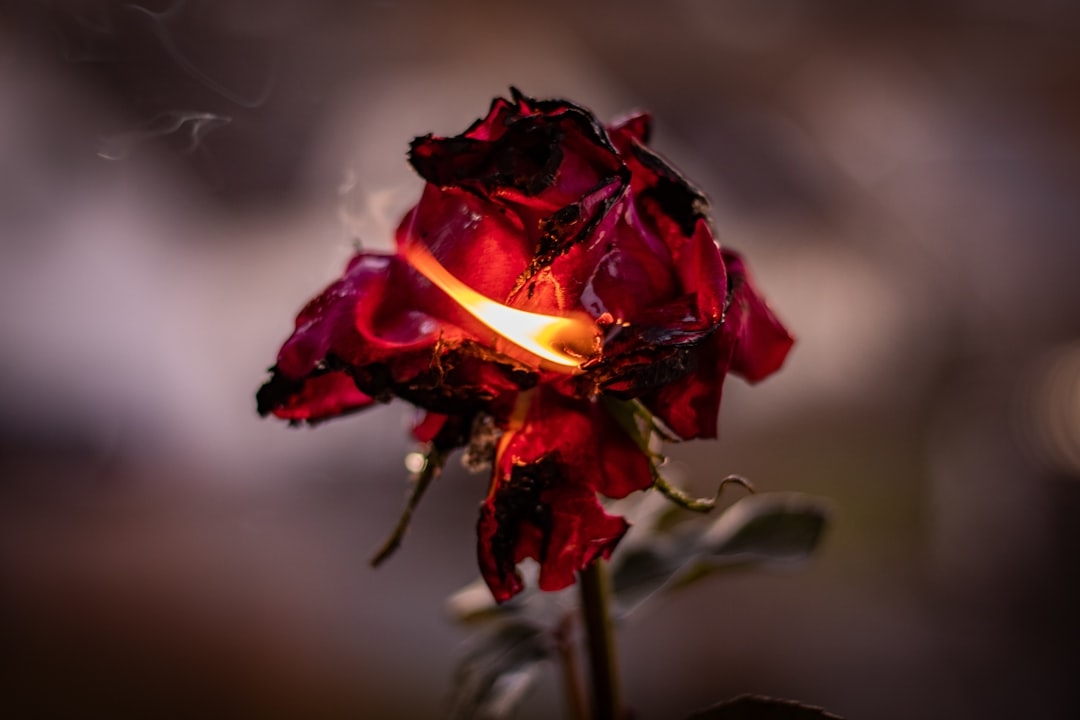
Picture this: a florist behind the counter at a bustling New York flower shop, flame in one hand, a single stemmed rose in the other. She pauses, then swiftly sears the cut end with the blue tip of a lighter before popping the bloom into a sleek glass vase. Is this dramatic flourish a secret weapon for extending vase life, or just an old-fashioned trick best left to the movies? Florists, DIY bouquet enthusiasts, and curious customers alike keep asking–does searing rose stems with a flame really work, or is it pure myth?
Quick Answer: Does Searing Rose Stems Actually Work?
Here’s the straight-up, scannable truth: Searing rose stems with a flame isn’t widely supported by scientific evidence as an effective method to prolong vase life or improve water uptake. In fact, most professional florists and horticulturists in the US recommend other methods–like a sharp, angled cut and immediate water placement–for best results. While the technique has historical roots and occasional use in specific circumstances (like salvaging milky saps from poppies or hydrangeas), it’s largely considered unnecessary, or even risky, for roses.
Where the Fire Started: The Origins of Searing Floristry
A Bit of History
The flame-to-stem technique has been around for over a century. Early references appear in Victorian-era gardening guides, and it pops up on flower care forums and in family wisdom passed down like baking secrets. Florists sometimes swore by it for certain flowers that leaked sap, such as euphorbia or poppies.
But for roses? The practice migrated into mainstream knowledge more by word-of-mouth than by scientific proof. According to Dr. Carla Rosetti, PhD in Horticultural Science and a 30-year member of the American Society of Florists, “Searing can sometimes help with sappy, latex-leaking species, but with roses, it’s not only unnecessary–it may cause more harm than good.”
What Happens When You Sear a Rose Stem?
The Stem Structure
Rose stems are primarily composed of fibrous tissues–think microscopic drinking straws allowing water to race up from the vase to thirsty petals. When you cut a stem, these straws (xylem vessels) are temporarily exposed to air, and a swift transfer to water is ideal.
The Science of Searing
Applying a flame to the freshly cut end of a rose stem:
- Chars and seals the cut area
- Destroys delicate xylem tissue
- Potentially traps air bubbles inside, creating blockages
A 2023 study from the University of Georgia’s Department of Plant Sciences compared traditional stem cutting versus flame-searing on roses and found no significant increase in vase life with the flame treatment. In fact, vase life sometimes decreased by up to 8 hours on average.
Key takeaway: The structure of rose stems is not designed to benefit from burning. Unlike sap-heavy stems that ooze and close off with heat, roses don’t “bleed” in a way that requires searing.
Where Searing Does Help: Exceptions and Flower Types
Flowers with Milky Sap
Searing finds its real place with:
- Poppies (Papaver): notorious for oozing slimy sap
- Hydrangeas (Hydrangea macrophylla): sometimes benefit from stem-end cauterization
- Euphorbia: latex sap can block water uptake
Some florists in Los Angeles, such as Lily & Cane Florals, charge up to $150 for a poppy-rich bouquet and still use the searing technique for poppies–never for roses.
| Flower Type | Searing Recommended? | Why |
|---|---|---|
| Roses | No | No milky sap; damages tissue |
| Poppies | Yes | Stops slimy sap from clogging |
| Hydrangeas | Sometimes | May prevent wilting |
| Euphorbia | Yes | Cauterizes latex flow |
“For roses, the best advice is simple: sharp cut, clean water, and immediate hydration. Save the matches for your birthday cake.”
– Jessica Lin, Owner/Designer, Bloom Theory NYC
Myths, Mistakes, and Misunderstandings
Why Do the Myths Persist?
Anecdote reigns supreme. DIY advice on TikTok and old-school gardening books perpetuate the idea that all flower stems benefit from flame-sealing. But floristry has evolved.
Common Misconceptions
-
“Searing stops air bubbles from entering the stem.”
In reality, burning can force more air into the tissues, leading to “stem embolisms” that block water flow. -
“It sterilizes the cut surface.”
While technically true, good hygiene and fresh water achieve the same–without charring delicate vessels. -
“It prevents bacterial growth.”
Bacteria grow in vase water, not on the sealed stem.
What Should You Do to Keep Roses Fresh?
The Preferred Process
- Use a Clean, Sharp Knife or Pruner.
Avoid scissors–crushing damages the stem’s water channels. - Cut at an Angle.
45 degrees increases surface area. - Remove Leaves Below Water Line.
Prevents rotting and bacterial buildup. - Use Cool, Clean Water + Floral Food.
Most US florist packets contain citric acid and sugar to feed stems and discourage bacteria. - Hydrate Immediately After Cutting.
Don’t let stems sit dry for more than a minute.
Quick-Reference List: Rose Care Best Practices
- Re-cut stems every 2-3 days
- Change vase water every 48 hours
- Keep out of direct sun and away from heating vents
- Use name-brand floral preservative for best results (Chrysal, Floralife, or Oasis)
What US Florists and Scientists Actually Do
Industry Standards in 2026
In a 2025-2026 survey by Flowers & Profits magazine, 91% of professional florists in the United States do not sear rose stems as part of their prep for retail or events. Instead, they rely on “hydration chambers”–walk-in refrigerators set at 34-36°F and high humidity. Companies like 1-800-Flowers, The Bouqs Co., and UrbanStems all list proper cutting and hydration, but make no mention of searing techniques in care guides.
Dr. Anita Williams, senior botanist for the Chicago Botanical Garden, summarizes it this way:
“Searing is specialty care for specialty blooms. For classic roses, it’s science, not smoke and mirrors.”
Home Myths Busted: What If You Already Sear at Home?
Some home hobbyists insist their roses perk up after a quick flame treatment. Here’s the likely reason: the process of recutting and rehousing in clean water, not the flame, revived the bloom. If stems appear to “drink” better post-searing, it’s a placebo–a ritual that happens to include the two steps that matter most.
FAQ: Searing Rose Stems with a Flame
How do you sear a rose stem with a flame?
To sear a rose stem, you hold the freshly cut end over a candle or lighter for a few seconds until it blacks and seals. However, most floral professionals do not recommend this method for roses, as it can damage water uptake pathways.
Why did people start searing flower stems in the first place?
Searing developed as a trick for flowers with milky, sappy stems (e.g., poppies, hydrangeas, euphorbia) to stop sap from leaking and blocking water flow. It was never meant as a universal flower-care solution.
Will searing a rose stem make the flower last longer?
Scientific studies and most experts agree: searing rose stems with a flame does not make the flower last longer. In some cases, it may even reduce vase life.
Are there any flowers that benefit from searing the stem?
Yes–poppies, hydrangeas (sometimes), and euphorbias are classic examples. Roses, lilies, tulips, and most common blooms do not benefit from flame-sealing.
What’s the best way to care for cut roses at home?
Use a sharp, clean knife for a fresh diagonal cut, remove submerged leaves, place stems in clean water with floral preservative, keep away from direct heat and sunlight, and change water every two days.
The Final Word: Update Your Flower Routine
Next time you see someone wielding a lighter over a rose stem, channel the wisdom of modern florists: roses need no charred edges or smoky drama. True freshness comes from sharp tools, clean water, and prompt care–not old myths. Ready for lush, long-lasting blooms? Forget the flame and focus on the fundamentals for bouquets that stay gorgeous all week long.