Contents:
- What Are Striped and Bi-Color Flowers? (Direct Answer)
- Why Do People Love Striped and Bi-Color Flowers?
- Popular Striped and Bi-Color Flower Varieties
- Striped Beauties
- Bi-Color Stunners
- How Are Striped and Bi-Color Flowers Created?
- Natural vs. Artificial Origins
- Cutting-Edge Breeding
- Top Uses for Striped and Bi-Color Flowers
- Floral Arrangements
- Home Gardens
- Public & Commercial Spaces
- Comparing Striped and Bi-Color Flowers: Visual Guide
- Buying and Growing Striped/Bi-Color Flowers in the US
- Where to Buy
- Growing Tips
- The Science Behind the Patterns: Why Stripes and Bi-Colors Happen
- Genetic Juggling
- Environmental Factors
- Frequently Asked Questions: Striped and Bi-Color Flowers
- What is the rarest striped flower variety available in the US?
- Are striped and bi-color flowers more expensive than single-color blooms?
- Do striped or bi-color petals fade faster than solid colors?
- Are there any striped or bi-color flowers that are native to North America?
- Can I grow striped or bi-color flowers from seeds?
- The Next Big Thing: What’s Coming for Striped and Bi-Color Flowers?
Striped and Bi-Color Flower Varieties: A Burst of Unexpected Beauty
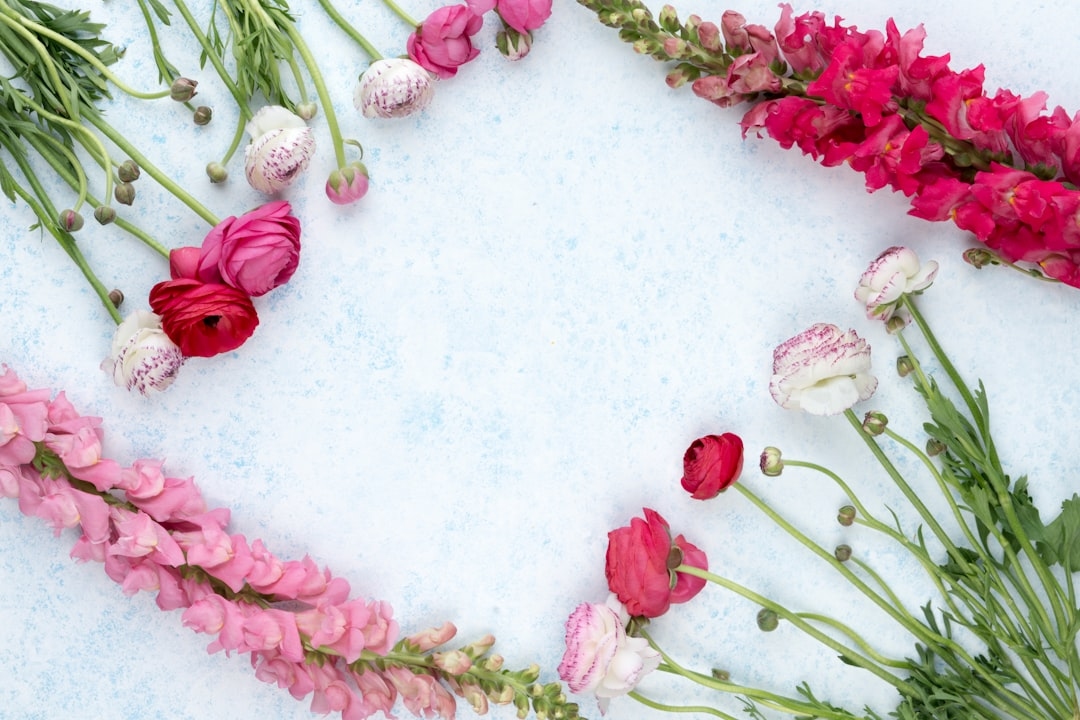
Picture a garden that stops visitors in their tracks–not because of height or sheer profusion, but for the marvel of petals painted with intricate stripes and bold bi-color splashes. These are the floral world’s show-offs, the botanical jazz musicians riffing on color theory. Striped and bi-color flower varieties have been captivating American gardeners since the Victorian era, when breeders first started showing off their handiwork at flower shows. Today, these cultivars are trending again, not just for their drama but for their diversity and availability, from tiny violas to extravagant lilies. Let’s look closer at this fascinating corner of floristry.
What Are Striped and Bi-Color Flowers? (Direct Answer)
Striped and bi-color flowers have petals featuring two or more distinct colors, usually in patterns like stripes, blotches, bands, or edges. Striped varieties display lines or streaks, often contrasting with their base color–think ‘Rembrandt’ tulips with flamboyant feathering. Bi-color flowers, on the other hand, feature blocks or zones of different hues, such as a rose with a red petal edged in creamy white.
These appearances are the result of natural genetic mutations, selective hybridization, or sometimes viral “breaking” (as in classic tulip mania tulips). In 2026, dozens of seed companies and florists across the US offer striped and bi-colored blooms for home gardeners, events, and specialty bouquets.
Why Do People Love Striped and Bi-Color Flowers?
A single striped petal can transform a basic bouquet into something eye-catching and original. American florists like Jamie Lee, owner of Brooklyn’s Petal Streak Studio, say that striped and bi-color varieties fly off the shelves whenever a client wants something “not just pretty, but unforgettable.” Here’s why these varieties are perennially in demand:
- Visual drama: The contrast pops in person and in photographs.
- Symbolism: Stripes and color zones can mirror complex emotions or multi-stage celebrations.
- Conversation starters: Few guests can resist asking, “Is that flower real?”
According to a 2025 survey by the Society of American Florists, 41% of consumers said “unique coloration” was their top reason for choosing a specialty flower arrangement during the spring season.
“Color pattern is the number-one driver of novelty cut-flower sales in our shop,” says Jamie Lee. “People want to give something memorable.”
Popular Striped and Bi-Color Flower Varieties
Some flowers are famous for their stripes; others, for their splashy bi-color designs. Below, find some of the most sought-after examples available from US growers and florists as of 2026.
Striped Beauties
- Rembrandt Tulips: The iconic feathered stripes–crimson, purple, or yellow on white–were once caused by a virus. Today’s safe, stable hybrids recreate those classic looks.
- Camellia japonica ‘Nuccio’s Gem’: Cream petals streaked with bright carmine pink. Popular in Southern gardens from Charleston to Pasadena.
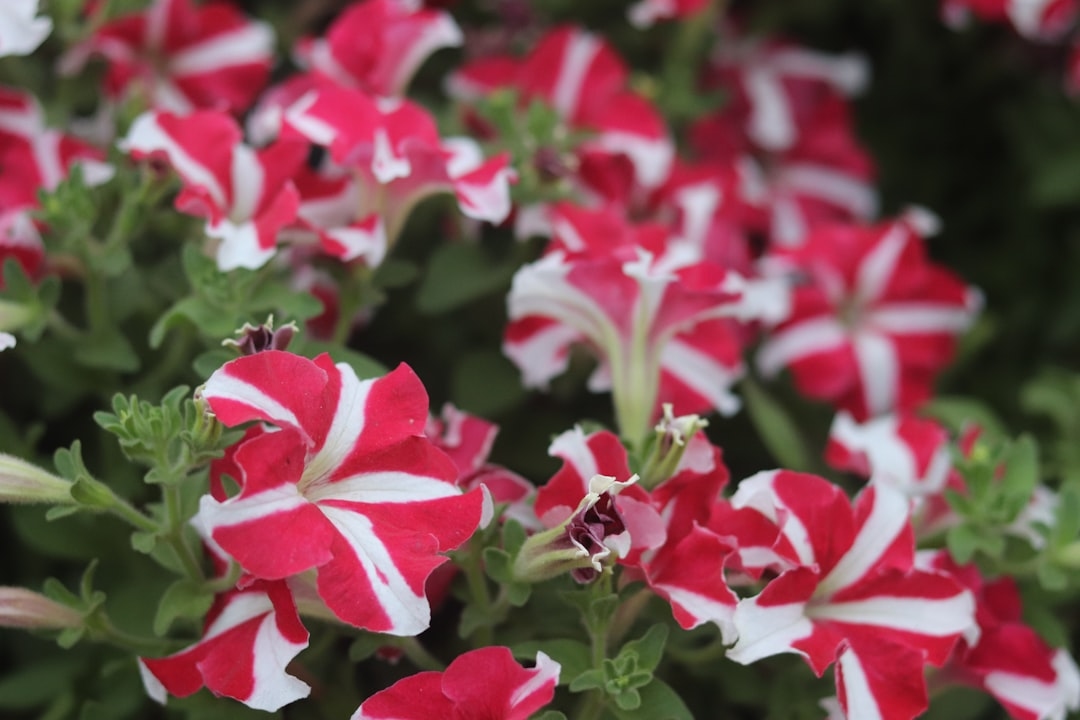
- Petunia ‘Hurrah Star Burgundy’: These annuals offer starburst stripes on velvety petals in shades from magenta to bright white.
- Dianthus ‘Pinwheel’: Striking red-and-white stripes resembling old-fashioned candy.
Bi-Color Stunners
- Rosa ‘Double Delight’: White petals edged in cherry red–an American classic since the late 20th century, still a bestseller in California and Florida.
- Lilium ‘Stargazer’: Deep pink centers blend out to white tips, with contrasting freckles–ideal for events.
- Iris germanica ‘Batik’: Irregular blue-and-white swirls characterize this show-stopping bearded iris.
- Pansy ‘Matrix Morpheus’: Rich violet petals banded by electric yellow.
How Are Striped and Bi-Color Flowers Created?
Natural vs. Artificial Origins
Some flowers develop patterns thanks to mother nature–random mutations leading to pigment streaks or sectoral variations. Others are the result of intentional hybridization or genetic selection.
- Classic tulips: The infamous “broken tulip” craze of the 17th-century Netherlands happened when tulip bulbs caught a mosaic virus, disrupting petal color. Today’s striped tulips use non-viral genetics for safety and reliability.
- Hybrid roses: Modern bi-color roses usually result from cross-breeding plants with different base colors over several generations.
Cutting-Edge Breeding
According to Dr. Carla Martinez, a plant geneticist at UC Davis, “Recent advances in CRISPR gene-editing open up whole new avenues for future striped and bi-color cultivars, many of which could hit US garden centers by 2027 or 2028.”
Top Uses for Striped and Bi-Color Flowers
Floral Arrangements
In 2026, striped and bi-color varieties are in high demand for statement bouquets–especially for weddings, anniversaries, and milestone birthdays. Event designers love the instant visual impact.
Home Gardens
Gardeners in USDA zones 4 through 10 can find bi-color cultivars of almost any annual or perennial they fancy. Striped petunias and pansies are top picks for window boxes, while bold bi-color lilies are mainstays for summer borders.
Public & Commercial Spaces
Bi-color flowers are now a hot trend for hotels, restaurants, and even city parks in US cities like Denver, Austin, and Atlanta, where they reinforce branding or seasonal themes. Maintenance managers often opt for resilient annuals like petunias and zinnias–striking, but easy to replace.
Comparing Striped and Bi-Color Flowers: Visual Guide
| Flower Type | Famous Example | Typical Pattern | Popular Uses | Price Range (per stem) |
|---|---|---|---|---|
| Striped | Rembrandt Tulip | Feathered stripes | Bouquets, gardens, events | $2.50 – $4.00 |
| Bi-Color (Edged or Sectoral) | Double Delight Rose | Edged or half-and-half | Premium bouquets, home decor | $4.00 – $7.00 |
| Splash/Blotch | Batik Iris | Irregular splashes | Spring gardens, arrangements | $3.00 – $5.50 |
| Star-Shaped Stripe | Hurrah Star Petunia | Central star pattern | Planters, window boxes | $1.50 – $2.00 |
US pricing as of 2026, via major florists (UrbanStems, Farmgirl Flowers).
Buying and Growing Striped/Bi-Color Flowers in the US
Where to Buy
- Florist shops: UrbanStems, The Bouqs Co., 1-800-Flowers, and local artisans stock striped and bi-color stems for next-day delivery, starting around $45 per mixed bouquet.
- Garden centers & online: Look for seeds (Burpee, Park Seed), bulbs, or starter plants. Many striped tulip bulbs go on sale in the fall; bi-color petunia seedlings are available February-May.
Growing Tips
- Light: Most need full sun for best color development.
- Soil: Well-draining soil is crucial–especially for tulips and lilies.
- Fertilizer: Bi-color annuals (like petunias or pansies) appreciate a balanced fertilizer every two weeks.
- Protection: In regions with hot summers (USDA 8+), afternoon shade can prevent color “washout.”
“For intense stripes, avoid overwatering and deadhead regularly,” recommends John Kim, Master Gardener and owner of Chicago’s Stripe & Bloom Nursery.
The Science Behind the Patterns: Why Stripes and Bi-Colors Happen
Genetic Juggling
Floral coloration comes down to plant pigments–primarily anthocyanins (reds, purples, blues) and carotenoids (yellows, oranges). Stripes and bi-coloration arise when genes regulating pigment production activate (or deactivate) in different parts of the petal. It’s almost like tie-dye, but written in DNA.
Environmental Factors
Temperature and light can accentuate or diminish the “sharpness” of a stripe or bi-color edge. For example, petunias grown in spring’s cooler temperatures display sharper, more vivid contrast than those in height-of-summer warmth.
Frequently Asked Questions: Striped and Bi-Color Flowers
What is the rarest striped flower variety available in the US?
The ‘Broken Heart’ Rembrandt tulip is one of the rarest striped varieties available to American gardeners, often priced at $9-12 per bulb due to its limited production and high demand.
Are striped and bi-color flowers more expensive than single-color blooms?
Generally, yes. Striped and bi-color flowers often cost 15-30% more than standard single-color varieties, due to more complex breeding and lower yield rates per crop.
Do striped or bi-color petals fade faster than solid colors?
They can–especially if exposed to intense UV light or high temperatures. Storing bouquets in cool, indirect light will help preserve their vivid patterns.
Are there any striped or bi-color flowers that are native to North America?
Yes. Certain native wild irises and columbines display natural bi-coloration, though dramatic stripes are less common in wild U.S. species.
Can I grow striped or bi-color flowers from seeds?
Absolutely. Many annuals–like petunias, pansies, and zinnias–come in reliable striped or bi-color seed strains from companies like Burpee and Park Seed.
The Next Big Thing: What’s Coming for Striped and Bi-Color Flowers?
Keep an eye out: US seed companies and breeders are hard at work introducing even more dramatic color patterns for 2027. With gene-editing tools in play, expect new shades and sharper, more intricate variegation–maybe even the first “rainbow-stripe” lily, according to Dr. Martinez at UC Davis. Want to stand out at your next garden party or wedding? Start planning your order list now–these dazzling blooms only get more popular, and the perfect striped or bi-color flower is just a season away.