
Contents:
- Which Sustainable Floristry Certifications Are Worth Getting?
- Why Bother with Sustainable Floristry Certifications?
- A Closer Look: The Top Sustainable Floristry Certifications
- Sustainable Floristry Network Certified Florist (SFN-CF)
- Florverde Sustainable Flowers (FSF)
- Veriflora Certified Sustainably Grown
- Fairtrade Flowers
- American Grown Certified
- How to Choose the Right Certification for Your Floral Business
- Studio Florists vs. Retail Chains
- Urban vs. Rural Location
- Budget Considerations
- What Customers Actually Notice
- Steps to Get Certified (And Actually Use It)
- Sustainable Floristry: Beyond Certification
- What is the most recognized sustainable floristry certification in the US?
- How much does it cost to get certified in sustainable floristry?
- Do sustainable floristry certifications help with marketing?
- Can small, home-based florists get certified?
- What is the difference between American Grown Certified and Fairtrade Flowers?
Sustainable Floristry Certifications Worth Getting
Picture this: a wedding in full bloom, the air perfumed by peonies and sweet peas, every arrangement artfully styled–and yet, all the flowers were flown in from halfway around the world, drenched in pesticides, and wrapped in mountains of single-use plastic. Behind the scenes, floral beauty sometimes carries an ugly ecological cost. Welcome to the new era of sustainable floristry, where certifications offer a practical path to doing better–for the planet, for growers, and for flower lovers everywhere.
Which Sustainable Floristry Certifications Are Worth Getting?
The most respected sustainable floristry certifications in 2026 include the Sustainable Floristry Network Certified Florist (SFN-CF), Florverde Sustainable Flowers (FSF), Veriflora, Fairtrade Flowers, and the American Grown Certified label. Each one verifies different aspects: eco-friendly sourcing, fair labor, minimal chemical use, and transparent supply chains. For US florists, the SFN-CF and American Grown Certified stand out as the most practical and recognized credentials to pursue.
| Certification | Focus Areas | US-Friendly | Cost (USD, Est.) | Renewal |
|---|---|---|---|---|
| SFN Certified Florist (SFN-CF) | Sustainable design & sourcing, education | Yes | $395 initial | 2 years |
| Florverde Sustainable Flowers | Farm sustainability, labor rights | Some US | Paid by farms | Annual |
| Veriflora | Environmental standards, supply chain | Limited | $500-$1000 | 3 years |
| Fairtrade Flowers | Social & environmental impact | Yes | Varies, annual | Annual |
| American Grown Certified | Domestic flowers, traceability | Yes | $150-$350 | 1 year |
Why Bother with Sustainable Floristry Certifications?
Sustainable floristry certifications aren’t just another line on your business card–they reshape how your flowers are grown, sourced, and delivered. According to a 2026 NielsenIQ survey, over 62% of US flower buyers say they’re willing to pay at least 10% more for blooms that are both local and eco-certified. Over 40% of wedding planners now actively request sustainability credentials from florists, a sixfold increase since 2020.
The right certification signals to clients that you don’t just care about color palettes–you care about pollinators, workers, and waste. It can also boost search engine visibility, as “sustainable florists near me” and “eco-friendly flower delivery” are fast-rising Google queries, particularly in California, New York, and Oregon.
Florist Elise Tran, owner of Wild Roots Floral (SFN-CF, American Grown Certified), puts it like this:
“Most people have no idea that their Valentine’s roses flew 6,000 miles. Now, couples ask if my flowers are American-grown. Certification makes that conversation much easier–and it’s good for business.”
A Closer Look: The Top Sustainable Floristry Certifications
1. Sustainable Floristry Network Certified Florist (SFN-CF)
This credential, launched by the global Sustainable Floristry Network, is the gold standard for US studio florists. It covers:
- Flower sourcing: Emphasizes local or regional farms, low-impact transport, and certified suppliers (Veriflora, Fairtrade, etc.).
- Eco-friendly design: No floral foam, reduced plastic, reusable mechanics.
- Waste management: Composting, minimizing landfill, recycling.
What’s Required?
- Completion of SFN’s online education course (about 10 hours; $185 as of 2026)
- Proof of sustainable sourcing and waste practices
- A short written assessment
- $395 certification fee (valid for 2 years)
An SFN-CF badge on your website instantly sets you apart for eco-minded customers.
2. Florverde Sustainable Flowers (FSF)
Originally developed in Colombia, Florverde certifies flower farms on metrics like water conservation, pesticide reduction, fair wages, and safe working conditions. While most FSF-certified blooms are imported, several large US growers have joined the program since 2025.
- Most valuable for wholesalers who import South American flowers.
- FSF logo aids transparency for retail florists; ask your supplier if they offer FSF-certified options.
3. Veriflora Certified Sustainably Grown
This certification digs deep into entire supply chains–from farm to retailer. Veriflora standards cover:
- Biodiversity protection
- Water and soil stewardship
- Worker health and safety
- Traceability
Most Veriflora-certified flowers in the US are still imports, but a handful of domestic farms now qualify. For event florists or retailers willing to invest in complex tracking, Veriflora offers a robust eco-credibility boost.
4. Fairtrade Flowers
If social justice matters as much as environmentalism to you, Fairtrade certification is a must. Overseen by Fairtrade International, these standards guarantee:
- Living wages and safe work for farm laborers
- Fair prices for small-scale growers
- Reduced agrochemical use
More than 10,000 US florists, including chains like The Bouqs Co. and Farmgirl Flowers, now routinely stock Fairtrade-certified blooms–especially roses, carnations, and alstroemeria.
Tip: Ask your wholesale supplier for Fairtrade options, and highlight them in your shop or website for a double win: ethical sourcing and strong marketing appeal.
5. American Grown Certified
This US-born certification is the answer to “Were these flowers grown here?” American Grown Certified tags flowers, foliage, and plants cultivated on domestic soil–no imports, no exceptions.
- Traceability: Every bunch is traceable to the farm of origin.
- Consumer trust: In a 2026 American Grown survey, 78% of US consumers say they prefer American flowers for holidays and events.
- Cost: Relatively affordable for small and midsize florists.
As of 2026, there are over 80 certified US farms, covering everything from California sunflowers to Vermont tulips. For florists specializing in local, seasonal arrangements, this is an easy win.
How to Choose the Right Certification for Your Floral Business
Studio Florists vs. Retail Chains
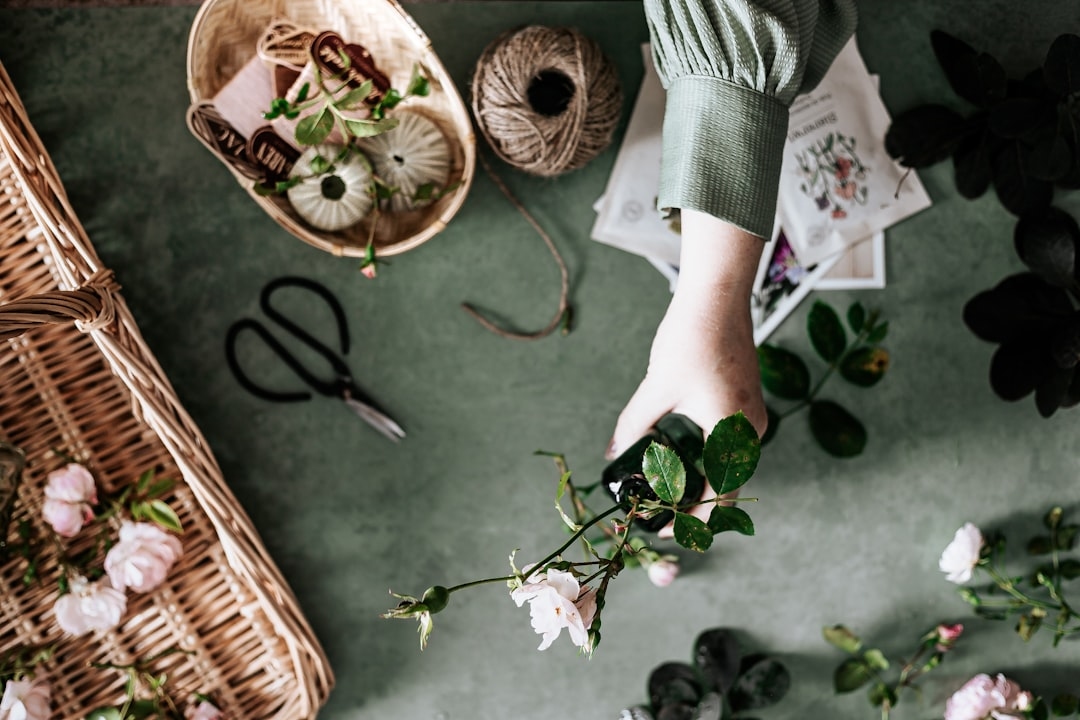
If you’re a studio florist focusing on weddings or events, the SFN-CF and American Grown Certified are usually your best bet. They’re recognized by planners and offer marketing support. Retail chains or high-volume shops may benefit more from supplier-focused certifications like Florverde or Veriflora.
Urban vs. Rural Location
In cities–especially on the coasts–customers increasingly ask pointed questions about sourcing and waste. Sustainable marketing can pay off quickly. In rural or agricultural regions, American Grown certification resonates more due to local pride and farm connections.
Budget Considerations
Not all certifications cost the same–or require the same record-keeping. Here’s a quick breakdown:
- Affordable: American Grown Certified, Fairtrade partner florists
- Moderate: SFN-CF, Florverde (if importing)
- Higher cost/complexity: Veriflora, especially for multi-site retailers
What Customers Actually Notice
According to Juniper Insight’s 2026 consumer study, “eco-friendly” label trust is highest for certifications with visible, easy-to-understand logos AND online presence (e.g., American Grown’s map of farms, SFN’s searchable directory).
Bottom line: Pick a certification that aligns with your actual sourcing and design practices. Greenwashing gets noticed–authenticity pays off.
Steps to Get Certified (And Actually Use It)
- Evaluate Your Supply Chain
- How much of your stock is US-grown? Imported? Certified already?
- Select 1-2 Certifications
- Most successful shops focus on one main certification, occasionally two.
- Take Training and Gather Documentation
- For SFN-CF: Complete their course, collect supplier invoices, snap photos of sustainable mechanics.
- For American Grown: Show proof of purchase, get farm partners listed.
- Apply and Display
- Prominently feature the certification badge on your website, in-store displays, and digital ads.
- Educate Your Team and Customers
- Train staff to answer certification questions.
- Create an FAQ page; post sourcing stories on Instagram; host “Meet the Grower” events.
- Renew and Stay Up-to-Date
- Most certifications require annual or biennial renewal with spot checks.
Sustainable Floristry: Beyond Certification
Certification is a starting point, not the finish line. Many pioneering US florists are pushing further:
- Foam-free design: Alternatives like Agra-Wool or reusable chicken wire, now used in 48% of US wedding work (source: National Florist Design Survey 2026).
- Compostable packaging: Replacing cellophane with recycled paper or bioplastics.
- Carbon offset programs: Partnering with growers who use solar power or electric vehicles for transport.
“Certifications get clients in the door,” says Daniel Poe, MFA, and founder of EcoStyle Floral, “but real sustainability means rethinking every stem–from seed to bouquet.”
FAQ: Sustainable Floristry Certifications
What is the most recognized sustainable floristry certification in the US?
The Sustainable Floristry Network Certified Florist (SFN-CF) has become the leading certification for US florists, followed closely by American Grown Certified. Both are widely accepted by wedding planners, event clients, and environmentally conscious consumers.
How much does it cost to get certified in sustainable floristry?
Costs vary: SFN-CF is $395 for two years, American Grown Certified costs $150-$350 annually, and more complex supply chain certifications like Veriflora can be $500-$1000. Some certifications also require training fees or membership dues.
Do sustainable floristry certifications help with marketing?
Yes. According to a 2026 NielsenIQ survey, over 60% of US flower buyers are more likely to choose a florist with visible eco-certification. Certifications can improve Google search ranking and attract sustainability-minded customers.
Can small, home-based florists get certified?
Absolutely. Both SFN-CF and American Grown Certified are accessible to small businesses and studio florists. These programs welcome applicants who demonstrate sustainable practices, regardless of shop size.
What is the difference between American Grown Certified and Fairtrade Flowers?
American Grown Certified verifies that flowers are cultivated in the US, focusing on domestic agriculture and traceability. Fairtrade Flowers focuses on fair labor wages, safe working conditions, and environmental protections–primarily for imported flowers.
Want to actually stand out in the thriving US floral market? Pick a certification, apply, and show it off–on your website, in your shop, everywhere your customers meet you. Clients will thank you. The planet will, too. And you’ll join a growing community that’s redefining what it means to be a successful, truly sustainable florist in 2026.