Contents:
- Table Runner Florals Construction: The Fast Answer
- Why Table Runner Florals Are Trending in 2026
- Key Benefits
- Essential Supplies for Crafting Table Runner Florals
- Must-Have Tools & Materials
- Flowers That Last
- Step-by-Step Guide: How to Construct Table Runner Florals
- Plan Your Table Runner’s Blueprint
- Prepare the Base
- Lay Down Greens
- Insert Focal Flowers
- Add Filler Blooms and Texture
- Final Touches
- Table Runner Floral Construction for Every Event
- Weddings
- Home Entertaining
- Corporate & Large Events
- Table Runner Florals Construction FAQs
- How long do table runner florals last?
- What’s the average cost to make a floral table runner in the US?
- Can you use artificial flowers for table runner florals?
- How do you keep floral runners stable on the table?
- Are table runner florals suitable for outdoor events?
- Ready to Transform Your Table? Try a Table Runner Floral This Weekend
Table Runner Florals Construction: A Fresh Guide for 2026
A dining table crowned by a lush table runner of blooms turns any meal into an event. Forget uniform vases or stiff arrangements–table runner florals bring an artful, botanical sprawl right to the heart of your celebration. From intimate backyard dinners to Pinterest-worthy weddings, these flower runners transform plain tables into a feast for the senses. In 2026, more florists and DIY fans are embracing this dramatic style, thanks in part to the “garden-gathered” trend seen in top wedding magazines and on Instagram.
Table Runner Florals Construction: The Fast Answer
What is table runner florals construction and how do you build one?
Table runner florals construction is the process of arranging fresh or faux flowers in a continuous, low-lying style that mimics a fabric table runner along the center of a table. Building a table runner floral involves:
- Determining the runner’s length and color theme.
- Preparing a moisture-retaining base (like floral foam bricks, soaked in water or wrapped for faux).
- Attaching greens as a foundation.
- Inserting focal flowers followed by filler blooms, ensuring even coverage.
- Finishing with delicate sprigs for texture and securing elements as needed.
Seasonal flowers, sturdy mechanics, and visual balance are key for a runner that lasts through your event.
Why Table Runner Florals Are Trending in 2026
It’s not just about aesthetics–table runner florals make modern gatherings feel unforced and inviting. According to Emily Chavez, AIFD-certified florist with Brooklyn Blooms, “Clients want their tables to tell a story. A floral runner achieves that, weaving color and scent down the table’s full length.”
Key Benefits
- Visibility – Low profile means guests aren’t peering around tall vases.
- Versatility – Works on farm tables, round tables, or even bar tops.
- Customization – Easy to match event themes, from boho to formal.
Recent survey data from FTD (2026) shows a 29% increase in table runner floral requests for both weddings and home entertaining compared to 2024.
“A table runner floral feels like dining in a garden–no vases, no distractions, just pure color and scent.”
–Emily Chavez, Brooklyn Blooms
Essential Supplies for Crafting Table Runner Florals
Gathering the right materials sets you up for success. While you can buy pre-made flower runners from online florists like UrbanStems ($120-$350 for 4-6 feet), creating your own lets you tailor colors, textures, and scale.
Must-Have Tools & Materials
- Floral foam bricks (Oasis brand is a US standard; $2-4 each)
- Plastic trays or chicken wire for structure
- Floral shears or snips
- Floral tape or twine
- Water spray bottle (if using fresh flowers)
- Fresh flowers: Roses (for structure), ranunculus (texture), eucalyptus (trailers), and waxflower (fillers) are in demand for 2026.
- Greens: Italian ruscus, smilax, and seeded eucalyptus for lushness
Flowers That Last
For events over four hours, opt for hardy blooms. According to Dr. Janine Lovell, horticulturalist at UMass Amherst, lisianthus, spray roses, and mums are top picks for all-day freshness.
| Flower Type | Average US Price (2026) | Vase Life | Seasonal Availability |
|---|---|---|---|
| Lisianthus | $2.40-$3.10/stem | 6-10 days | Spring, Summer, Fall |
| Spray Roses | $1.80-$2.50/stem | 7-12 days | Year-round |
| Ranunculus | $2.90-$3.70/stem | 5-8 days | Late Winter, Spring |
| Eucalyptus | $1.20-$1.80/stem | 14+ days | Year-round |
Step-by-Step Guide: How to Construct Table Runner Florals
Building a floral runner is part technique, part creative flow. Here’s how to master it in the US context.
1. Plan Your Table Runner’s Blueprint
- Length: Ideally, leave 6-9 inches on each end of the table.
- Shape: Serpentine curves or a straight line are most common.
- Theme: Use color palettes popular in 2026–think sunset orange, dusty lilac, and soft sage.
2. Prepare the Base
Moisture Matters
For fresh florals, soak Oasis foam bricks at least 30 minutes. Arrange bricks inside plastic trays or wrap in chicken wire for stability. Secure the base to the table with removable adhesive strips to prevent shifting.
Eco-Friendly Alternatives
Skip foam for short events by using reusable wire frames and water tubes–a growing ask among eco-conscious US hosts.
3. Lay Down Greens
Start with your longest greens, letting them trail beyond the runner’s edges. Italian ruscus or smilax is favored for an organic look. Overlap stems for density.
4. Insert Focal Flowers
Use larger blooms as anchors: garden roses, dahlias, or peonies. Insert at various angles for movement, clustering in odd numbers (3, 5, or 7) to mimic nature.
5. Add Filler Blooms and Texture
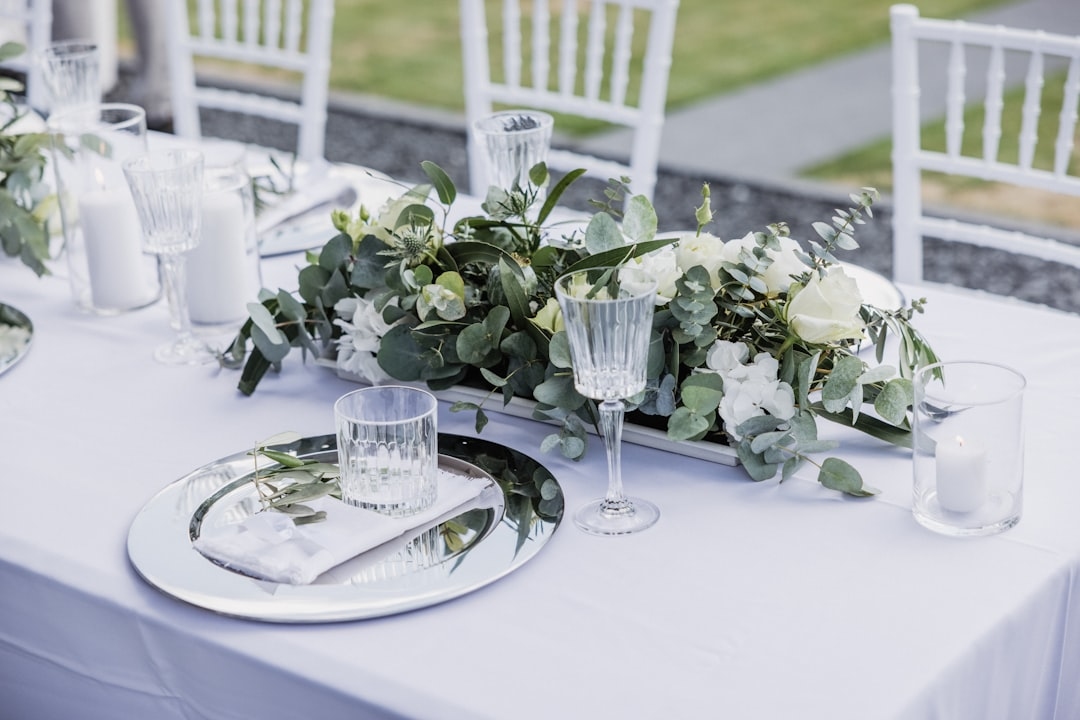
Fill gaps with spray roses, waxflowers, or thistle. Layer in textural elements–think seed pods or berries for fall, dried bunny tail grass for rustic themes.
6. Final Touches
Mist the arrangement with water, tuck in delicate tendrils, and check for balance from all angles. For outdoor summer events, consider finishing with anti-transpirant spray, such as Crowning Glory, to extend freshness.
Table Runner Floral Construction for Every Event
Not all runner florals are created equal. The mechanics and flower choices shift depending on occasion, setting, and guest count.
Weddings
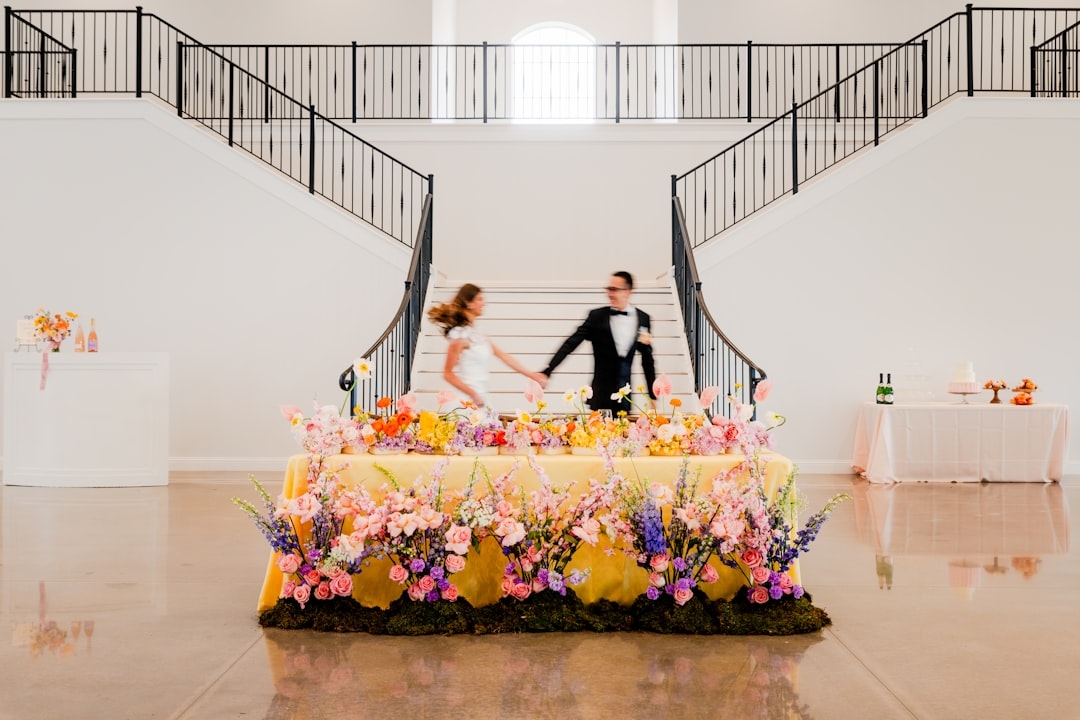
- Length & Opulence: For 10-ft banquet tables, most wedding pros recommend at least 7 linear feet of floral.
- Trend Alert: Dried elements mixed with fresh florals–like pampas grass meets garden roses–are huge for boho receptions in 2026.
Home Entertaining
- Budget: DIY runners using supermarket blooms (Trader Joe’s, Whole Foods) can cost under $60 for a 6-foot table.
- Reuse: Swap out faded flowers with new stems from your next grocery run.
Corporate & Large Events
- Modular Design: Build runners in 2-3ft sections for easy transport and assembly on-site.
- Seasonal Greens: Incorporate pine, cedar, or magnolia for winter galas.
Table Runner Florals Construction FAQs
How long do table runner florals last?
With soaked floral foam and hardy blooms like mums and lisianthus, table runner florals last about 24-36 hours at room temperature. Keep them out of direct sunlight and mist with water for best results.
What’s the average cost to make a floral table runner in the US?
DIY costs range from $70 to $250 for a standard 6-foot table, depending on flower varieties and season. Professional florists charge $250-$700+, especially for premium blooms or large-scale events.
Can you use artificial flowers for table runner florals?
Yes. Use high-quality silk flowers and hot-glue into wire frames or foam blocks for a runner that lasts year after year. Popular US sources in 2026 include Afloral and Michaels.
How do you keep floral runners stable on the table?
Anchor floral foam bases with double-sided tape or removable Velcro dots. For non-foam runners, use chicken wire and tuck stems firmly within so nothing rolls or topples.
Are table runner florals suitable for outdoor events?
Absolutely–just opt for heat-tolerant blooms (zinnias, succulents, eucalyptus) and keep the base moist. For summer events, incorporate ice packs disguised beneath greens for extended freshness.
Ready to Transform Your Table? Try a Table Runner Floral This Weekend
The path to unforgettable gatherings often starts with the table. Whether you order from an online service or try your hand at a DIY runner, there’s no better way to set the scene than with flowers that stretch the length of your party. Snap a photo, share your creations, and join the growing US trend for lush table runner florals–where your creativity becomes the centerpiece.