Contents:
- Quick Answer: Why Do We Use Wreaths at Funerals?
- Ancient Roots: Circles, Crowns, and Sacred Offerings
- Materials and Meanings
- Medieval Europe: From Pagan to Christian Symbolism
- Comparing Ancient vs. Modern Funeral Wreaths
- The American Funeral Wreath: How Customs Crossed the Atlantic
- Tradition Meets Modernity
- What Makes the Wreath So Meaningful?
- Shape and Symbolism
- Choice of Flowers
- Funeral Wreaths in the Modern US: Who Orders, What Costs, and How They’re Made
- Sourcing and Pricing
- The Creative Process
- Funeral Wreath Etiquette in 2026: What Americans Need to Know
- Pull-Quote
- FAQ: The Origin and Meaning of Funeral Wreaths
- What does a funeral wreath symbolize?
- Where did the tradition of funeral wreaths start?
- What flowers are most commonly used in American funeral wreaths?
- How much does a funeral wreath cost in the US in 2026?
- Can you send a funeral wreath for any religion or culture?
- Looking Forward: The Future of Funeral Wreaths
The Origin of the Funeral Wreath
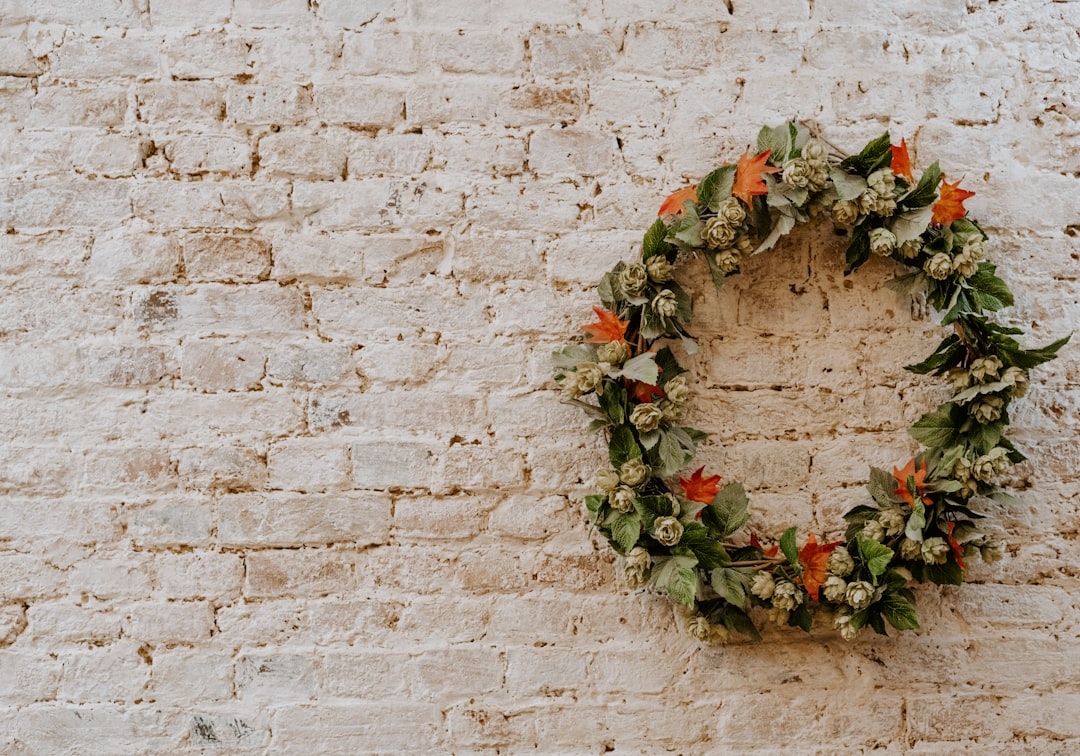
Inside every American funeral home or memorial service, a circular arrangement of flowers quietly stands watch. The funeral wreath–evocative as a symbol, and loaded with centuries of meaning–is as traditional as black attire and gentle whispers of condolence. But why a wreath? Why flowers? And what story does this timeless tribute actually tell?
Quick Answer: Why Do We Use Wreaths at Funerals?
Funeral wreaths became popular as a symbol of eternal life and the cyclical nature of existence. Their circular shape, with no clear beginning or end, represents infinity–an unending circle mirroring the hope for everlasting life or remembrance. The tradition traces its roots back to ancient Greece and Rome, evolved through European customs, and flowered into the modern American practice of commemorating loved ones with floral rings. Today’s funeral wreaths blend symbolism, artistry, and comfort into a single, powerful gesture of sympathy.
Ancient Roots: Circles, Crowns, and Sacred Offerings
Wreaths have always meant more than decoration. Archaeological finds from as far back as 2,500 years ago show floral and laurel wreaths placed on the heads of the deceased in ancient Greek burial sites. The Greeks believed in the immortality of the soul and used the circle to evoke eternity.
Romans adapted this, too. According to Dr. Leslie Thompson, a historian at the American Botanical Society, “Roman citizens would lay wreaths of bay leaves and flowers on tombs during Parentalia, a festival honoring the dead.” These wreaths symbolized triumph over death–an early echo of today’s intentions.
Materials and Meanings
- Laurel: Symbolized victory (over death)
- Olive branches: Peace
- Flowers: Varied, but often evoked renewal and beauty
Medieval Europe: From Pagan to Christian Symbolism
After the fall of Rome, funeral wreaths faded from use but resurfaced in Christian contexts in medieval Europe. In the 12th and 13th centuries, artists painted saints and martyrs with halos–a visual echo of the circular wreath, representing sanctity and eternal salvation.
By the 17th century in Northern Europe, especially Germany and Scandinavia, evergreen wreaths became a mainstay at funerals. The enduring green symbolized hope in Christ and the promise of resurrection. Colonial Americans, influenced by these customs, began to incorporate similar floral designs into their mourning rituals by the 18th century.
“Evergreen boughs in winter sent a powerful message to families: even amidst loss and sorrow, life persists.”
– Nora Gleason, Certified Master Florist (Certified Floral Designer®, 2026)
Comparing Ancient vs. Modern Funeral Wreaths
| Tradition | Material Used | Purpose | Symbolism |
|---|---|---|---|
| Ancient Greek | Laurel, ivy, flowers | Crown for dead, grave gifts | Immortality, victory |
| Roman | Bay, olive, flowers | Festive tribute, grave gift | Triumph, peace |
| Medieval | Evergreen, flowers | Funeral, Christmas | Eternal life |
| Modern US | Roses, lilies, mums | Memorial display | Remembrance, sympathy |
The American Funeral Wreath: How Customs Crossed the Atlantic
The 19th century marked a turning point for American funerals. The widespread availability of flowers–thanks to new greenhouse technology and better transportation–made elaborate funeral wreaths more democratic. They were no longer just for the wealthy or noble.
Florists like John B. Geist (Florists’ Transworld Delivery pioneer, est. 1910) popularized the circular funeral wreath in catalogs and newspapers. By 1920, sending a flower wreath was as customary as attending the wake itself.
Tradition Meets Modernity
- Industrial greenhouses (Philadelphia, Boston, Chicago) could grow year-round flowers by 1890.
- Funeral wreaths from telegraph-based ordering appeared in the 1910s.
- By 2026, over 60% of US funerals feature floral wreaths, according to the National Funeral Directors Association.
Today, major brands like 1-800-Flowers and Teleflora offer overnight delivery of custom funeral wreaths nationwide ($150-$450, based on Bloomberg 2025 pricing data). Designs range from classical arrangements of white lilies and calla to vibrant, personalized tributes featuring sunflowers or sports team colors.
What Makes the Wreath So Meaningful?
Shape and Symbolism
It’s not just the flowers. The unbroken circle embodies continuity. In faith traditions–Christian, Jewish, and even secular–this shape silently references the idea that love endures beyond the grave. Funerary flowers soothe and comfort, sending a message of compassion that words alone can struggle to express.
Choice of Flowers
Modern American florists select blooms carefully, considering cultural background, personal preference, and symbolism. Some common choices:
- Lilies: Restored innocence of the soul
- Roses: Reverence, love, or grief (color-dependent)
- Mums: Honor (especially in Asian and European American communities)
- Carnations: Devotion, remembrance
Some families add personalized touches–ribbons bearing messages, sprigs of rosemary (remembrance), or even elements like fishing lures or dog collars to commemorate hobbies.
Funeral Wreaths in the Modern US: Who Orders, What Costs, and How They’re Made
Sourcing and Pricing
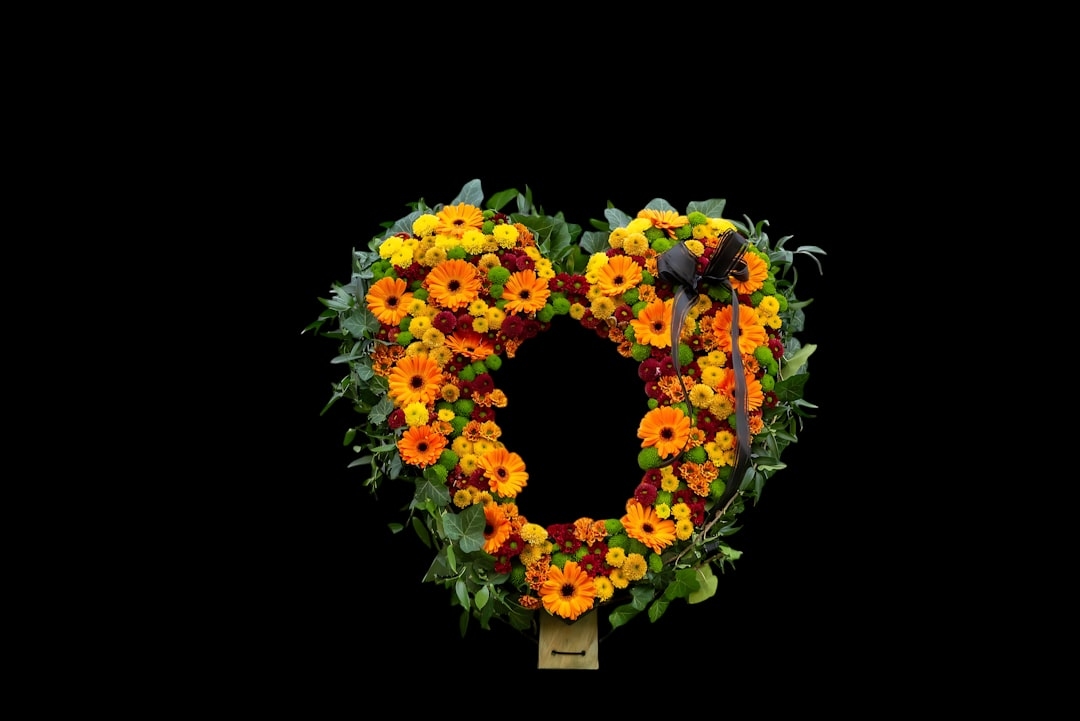
In 2026, most American funeral wreaths are assembled in local florist shops, but online ordering has overtaken in-person visits. Retail platforms (ProFlowers, The Bouqs Co.) match zip codes to nearby shops, ensuring same-day delivery in most suburban and metro areas.
Expected costs in 2026 (excluding delivery):
- Simple mixed-flower ring (18”): $85-$125
- Large custom wreath (28-32”): $250-$500
- High-end designer tributes: $500-$1,500+
Specialty add-ons (LED lights, photo frames, or keepsake ornaments) can push prices even higher. According to Valerie Chang, AIFD-certified florist in Los Angeles, “We see families spending more on personalization–upwards of $750 is common for highly bespoke work.”
The Creative Process
- Consultation: Online form, phone, or in-person. Florists gather details about the deceased, family preferences, and budget.
- Design and Construction: Florists select a foam or grapevine base, wire and place flowers by hand, and add greenery and decorative items.
- Delivery and Display: Wreaths are transported with extreme care, as flowers are fragile and arrangements must stay fresh for 1-4 days.
Funeral Wreath Etiquette in 2026: What Americans Need to Know
Sending funeral flowers is governed by subtle rules. A wreath, specifically, is most often reserved for closer relationships or groups (immediate family, office teams, organizations). Friends or acquaintances might choose a bouquet, basket, or single plant.
- Christian and secular funerals: Wreaths, sprays, and crosses are typical.
- Jewish funerals: Traditionally forgo flowers, though secular Jewish families sometimes accept them.
- Asian-American funerals: Wreaths and standing sprays, often with chrysanthemums, are common.
Tip from etiquette expert Mallory Renz (Author, “American Mourning Customs, 2025”):
“Always check the obituary or family’s wishes. Many families now request charitable donations in lieu of flowers.”
Pull-Quote
“A funeral wreath is more than just flowers–it’s a silent embrace, a final message of love.”
– Peter Sanchez, Owner, Sanchez Florals NYC
FAQ: The Origin and Meaning of Funeral Wreaths
What does a funeral wreath symbolize?
A funeral wreath’s circular shape represents eternity, continuity, and the never-ending cycle of life and death. In most cultures, it also symbolizes remembrance and sympathy for the bereaved.
Where did the tradition of funeral wreaths start?
The use of funeral wreaths began in ancient Greece and Rome, where circles of laurel or flowers signified victory over death and immortality. The practice spread through Europe, evolving over centuries into the modern flower wreaths used in the US.
What flowers are most commonly used in American funeral wreaths?
Lilies, roses, chrysanthemums, carnations, and greenery like fern and ivy are most popular in US funeral wreaths. Choices often reflect personal, religious, or cultural preferences.
How much does a funeral wreath cost in the US in 2026?
In the US, a simple funeral wreath in 2026 typically costs $100-$200, but larger or custom designs can range from $300 to over $1,000, depending on size, flower types, and decoration.
Can you send a funeral wreath for any religion or culture?
While common in Christian and secular funerals, some faiths–like Judaism and Islam–have different traditions. It’s best to check with the family or funeral home before ordering a wreath.
Looking Forward: The Future of Funeral Wreaths
As Americans personalize their goodbyes more than ever, the funeral wreath evolves, too. Expect more eco-friendly options (biodegradable bases, locally grown blooms), digital add-ons (QR codes linking to tributes), and bespoke designs that tell a richer story. Next time you see a wreath standing sentinel at a service, know it’s both a tradition grounded in ancient meaning and a canvas for new ways to remember our loved ones. Consider asking your local florist about the stories behind their wreath designs–your tribute can be as unique as the life it honors.