Contents:
- How Do Flowers Drink Water? (Direct Answer)
- Capillary Action: The Superpower Inside Every Stem
- How Capillary Action Works
- Why Water Matters for Vase Life
- The Impact of Water Quality
- Comparing Flower Longevity by Water Type
- What Happens Inside the Stem? (A Closer Look)
- Stem Blockages and Air Embolisms
- Do All Flowers Drink Water the Same Way?
- Woody vs. Herbaceous Stems
- Case Study: Hydrangeas vs. Roses
- Fun Fact
- The Role of Transpiration: Why Flowers “Drink Faster” When It’s Hot
- Explaining Transpiration
- Tricks to Boost Hydration (Florist-Tested Tips)
- Cut Stems at a Sharp Angle
- Remove Lower Leaves
- Use the Right Vase
- Add Preservative (or Homemade Substitute)
- Frequently Asked Questions
- How often should you change vase water for cut flowers?
- Can you revive wilted flowers by re-cutting stems?
- Do flower food packets really make a difference?
- Why do some flowers droop even in water?
- What’s the best way to cut flower stems for maximum hydration?
- Make Your Flowers Last: Knowledge Pays Off
The Science of How Flowers Drink Water
You cut a hydrangea stem and plunge it into a vase of cool water. Hours later, those droopy blooms perk back up, as if they’ve sipped an invisible elixir. That’s not magic–it’s the remarkable science behind how flowers drink water. Understanding this process isn’t just for botanists or seasoned florists. Anyone who wants their flower arrangements to last longer (or is just plain curious about how nature works) can benefit from knowing what’s happening, stem to petal.
How Do Flowers Drink Water? (Direct Answer)
Flowers absorb water through their stems via a process called capillary action. Water travels upward from the vase into microscopic tubes inside the stem, called xylem, eventually reaching the flower heads and leaves. This movement is powered by both the physical properties of water and the natural evaporation from the leaves and petals (transpiration).
Capillary Action: The Superpower Inside Every Stem
There’s a secret highway running inside every flower stem–the xylem. These are tiny, vertical tubes only visible under a microscope, but don’t let their size fool you. They’re responsible for transporting water (and dissolved nutrients) from the bottom of the stem all the way up to the very tips of the petals.
How Capillary Action Works
Capillary action is the same force that lets a paper towel soak up a spill. Here’s why it works so well in flowers:
- Adhesion: Water molecules are attracted to the walls of the xylem.
- Cohesion: Water molecules stick to each other, creating a chain that pulls more water up as old water evaporates from leaves and petals.
- Transpiration Pull: As water escapes from flowers and leaves (a process called transpiration), it creates a gentle suction effect, pulling fresh water up from the vase below.
Dr. Rina Patel, a plant physiologist at Colorado State University, points out:
“A single cut rose can move over 7 fluid ounces of water through its stem in one day–almost a cup, just by relying on natural capillarity and transpiration.”
Why Water Matters for Vase Life
Fresh-cut flowers are essentially living on borrowed time. Their roots have been severed, so your vase water is all they have left. The way flowers drink that water determines just how perky and long-lasting your bouquet will be.
The Impact of Water Quality
- Temperature: Flowers generally absorb lukewarm water faster than cold. For example, tulips last longest in cool water, while roses take up more in slightly warm water (around 100°F).
- Cleanliness: Bacteria in dirty water clog stems. Amy Harper, lead designer at New York’s Brooklyn Blossom Co., says, “Change water every 48 hours, and your flowers can last up to 60% longer.”
- Floral Preservatives: Those little packets you get from FTD or 1800Flowers aren’t just for show. They provide sugar for energy, acidifiers to lower pH (helping water uptake), and bleach to slow bacteria.
Comparing Flower Longevity by Water Type
| Water Type | Typical Vase Life (Roses) | Notes |
|---|---|---|
| Tap (unchanged) | 3-4 days | Prone to bacteria, clogs stems fast |
| Tap (changed daily) | 6-7 days | Much better capillary action |
| With packet added | 8-11 days | Optimal: supports hydration + nutrition |
| Distilled | 6-8 days | Fewer minerals, can be too “soft” |
What Happens Inside the Stem? (A Closer Look)
It’s not as simple as water just flowing up a straw. Several things can help–or hinder–the hydration highway inside a cut flower’s stem.
Stem Blockages and Air Embolisms
Tiny air bubbles, known as embolisms, can form at the cut end, blocking the xylem. That’s why florists (and grandma) always say to recut stems under water. This helps prevent air from entering and restores the capillary pathway.
List: Common Reasons Stems Stop Drinking Water
- Air bubbles (from cutting stems in air)
- Bacteria buildup (from dirty water)
- Plant sap/resins drying at the cut site
- Using dull scissors (crushes xylem instead of a clean slice)
According to a 2024 report from the Society of American Florists, most commercial florists now use angled, underwater cuts for major event work–reducing stem blockage and extending shelf life by up to 30%.
Do All Flowers Drink Water the Same Way?
Not all flowers are created equal when it comes to hydration. Some are thirstier, some more delicate. Their anatomy matters.
Woody vs. Herbaceous Stems
- Woody Stems (e.g., Lilac, Hydrangea): These need deeper cuts and sometimes even a light hammering to open up water pathways.
- Soft/Herbaceous Stems (e.g., Tulip, Daffodil): More easily absorb water but are prone to drooping if not supported.
Case Study: Hydrangeas vs. Roses
Hydrangeas can wilt within hours without water. They possess large xylem vessels and lose water rapidly, so submerging the entire head in tepid water can revive them overnight–a trick that rarely works for roses.
Fun Fact
Some flowers, like daffodils, release a sap that inhibits water uptake in other flowers–so always condition daffodils separately before mixing them in a bouquet.
The Role of Transpiration: Why Flowers “Drink Faster” When It’s Hot
You might notice your vase water disappearing fast in a sunny spot. That’s transpiration at work.
Explaining Transpiration
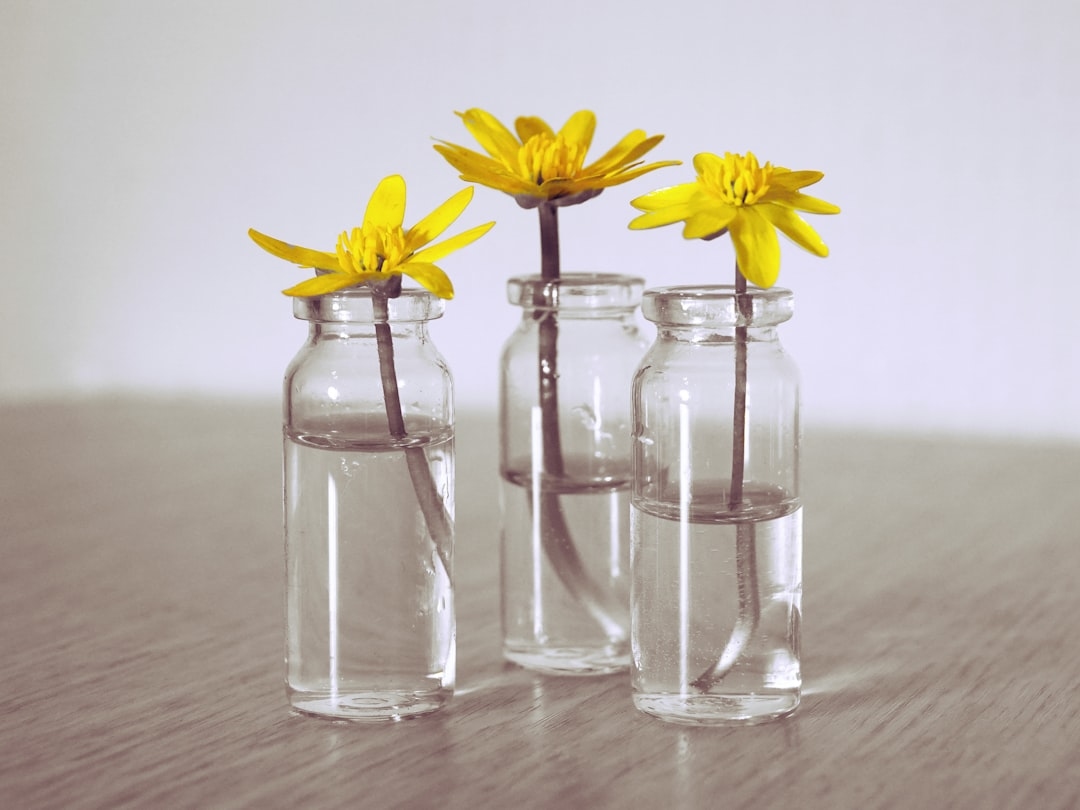
Transpiration is when water exits flowers through tiny pores (stomata) in their leaves and petals. This creates the suction that drives capillary action from the vase upward.
Pull-quote:
“Transpiration is the engine that powers a flower’s drinking process. The more water evaporates, the more the flower needs to replace it–just like drinking a glass of lemonade on a scorching day.”
– Amy Harper, Brooklyn Blossom Co.
- On a hot (80°F+) day in Los Angeles, a vase of fresh lilies can lose over a cup of water in 24 hours.
- High humidity slows transpiration, so flowers drink less, but the risk of fungal growth increases.
Tricks to Boost Hydration (Florist-Tested Tips)
Top US florists and researchers have their own rituals for maximizing how well flowers drink water. Here’s what actually works in 2026:
1. Cut Stems at a Sharp Angle
Increases surface area for water uptake. Use a sharp floral knife or bypass pruners–never household scissors.
2. Remove Lower Leaves
Leaves sitting in water rot quickly and promote bacteria. Strip them off before arranging.
3. Use the Right Vase
Wide mouths allow for better air circulation, but too wide and stems can splay, exposing cuts to air. The best vases are 1.5x the width of your bouquet.
4. Add Preservative (or Homemade Substitute)
For a DIY mix:
- 1 teaspoon sugar
- 1 teaspoon bleach
- 2 teaspoons lemon or lime juice
- 1 quart lukewarm water
Florists like Farmgirl Flowers and UrbanStems have started including larger, resealable preservative packets in their premium bouquets since early 2026 due to customer demand for longer vase life.
Frequently Asked Questions
How often should you change vase water for cut flowers?
Change the water every 2 days. Fresh water keeps bacteria levels low and ensures optimal capillary action, helping flowers absorb more and last longer.
Can you revive wilted flowers by re-cutting stems?
Yes, re-cutting stems (preferably under water and at an angle) can often restore water uptake in wilting flowers. For very wilted blooms, submerge the entire stem and flower head in lukewarm water for 30-60 minutes, then return to a clean vase.
Do flower food packets really make a difference?
Absolutely. According to a 2025 study by the University of California, bouquets with commercial flower food had a 40-60% longer vase life than those in plain water. Flower food supplies sugar, lowers pH, and kills bacteria–supporting the science of how flowers drink.
Why do some flowers droop even in water?
Drooping often occurs when air or bacteria block the xylem, or when stems are crushed instead of sliced. Some flowers (like tulips) naturally arch as they grow in the vase–a biological quirk rather than dehydration.
What’s the best way to cut flower stems for maximum hydration?
Use a sharp, clean tool to cut stems at a 45° angle, ideally under water to prevent air bubbles. Avoid smashing or tearing the stem, as this damages the internal channels responsible for water transport.
Make Your Flowers Last: Knowledge Pays Off
Next time you’re arranging a $65 bouquet from Bouqs Co. or picking up a $20 bunch at Trader Joe’s, remember: every stem is a tiny marvel of fluid engineering. A bit of science goes a long way–clean water, sharp cuts, and a dash of flower food can make your blooms outlast your expectations. Try an experiment: split your next bouquet into two vases, treat one like a pro and the other with “just water,” and see the difference in longevity yourself. Your flowers will thank you–with days of extra beauty.