Contents:
- Quick Answer: How Do Couples Repurpose Wedding Flowers Day-Of?
- Why Day-Of Floral Repurposing Is Taking Off
- The Cost and Sustainability Double Win
- Modern Wedding Priorities
- Planning Your Flower Repurposing: A Playbook
- Key Steps to Execute Day-Of Repurposing
- Pull-Quote
- Creative Day-Of Flower Repurposing Ideas
- Beyond the Basics: Make Your Blooms Do Double Duty
- Unconventional Repurposing Spots
- Logistics: How to Pull It Off Without Stress
- Timing Isn’t Everything–Coordination Is
- Transportation and Reassembly
- Donating Your Wedding Flowers: Spreading Joy After the Party
- Partnering with Donation Programs
- DIY Donation Steps
- Good To Know
- Common Pitfalls (and How to Dodge Them)
- Top Mistakes Couples Make
- How to Avoid
- FAQ: Repurposing Wedding Flowers Day-Of
- How much money can I save by repurposing my wedding flowers?
- What flowers hold up best for reuse during the wedding day?
- Can my florist handle all the flower repurposing on the wedding day?
- Are there restrictions on donating wedding flowers after the event?
- How do I avoid flowers looking “recycled” or tired?
- Make Your Blooms Go Further–Starting at Your Consultation
Wedding Flower Repurposing Day-Of: Smart Ways to Make Every Bloom Count
Two hours after the ceremony ends, your florist’s meticulously arranged centerpieces are still radiating life–while guests are already Snapchatting goodbye. But those lush bouquets and installations you spent $3,000+ on? Too many are destined for the trash by sunrise. Here’s the little-known truth: wedding flower repurposing day-of is not just savvy and eco-friendly. It’s rapidly redefining how couples squeeze every ounce of joy and meaning from their floral investment.
Quick Answer: How Do Couples Repurpose Wedding Flowers Day-Of?
Wedding flower repurposing day-of means moving ceremony florals (like aisle arrangements, altar pieces, and bouquets) to reuse them for the cocktail hour, reception, or even post-wedding donations. The key tactics:
- Assigning a dedicated “flower repurposing crew” (family, friends, or your planner’s team)
- Pre-planning floral designs for easy transition (modular arrangements, vases that travel well)
- Coordinating with venues and transport
- Donating blooms to hospitals or shelters immediately after the event
Most US florists now offer repurposing logistics as part of their service, with day-of staff who can rearrange or move blooms within 20-40 minutes. On average, couples can reuse 60%-80% of ceremony florals for the reception, according to Jenna Lark, AIFD-certified florist at Bloom & Vine LA.
Why Day-Of Floral Repurposing Is Taking Off
The Cost and Sustainability Double Win
Wedding flowers don’t come cheap. As of 2026, the average US couple spends $2,900-$5,600 on florals, per The Knot Real Weddings Study. Repurposing isn’t just a trend–it’s a direct response to sticker shock and eco guilt. Instead of paying extra for double the arrangements, couples like Maya and Drew from Dallas saved $1,200 by moving altar urns to reception entry tables and transforming bridesmaid bouquets into bar decor.
Americans toss 180 million tons of landfill waste annually (EPA, 2024), and event flowers are a notorious contributor. By seeking ways to reuse arrangements day-of, you actively cut both waste and unnecessary expense.
Modern Wedding Priorities
Today’s couples value sustainability, but also want that “wow” moment at every phase of their celebration. Repurposing takes expertise–modular designs, clever placement changes, and seamless timing. That’s why premium florists and planners (think: Flower Muse, UrbanStems Events) now bake reusable floral strategies into their proposals.
Planning Your Flower Repurposing: A Playbook
Key Steps to Execute Day-Of Repurposing
-
Audit Your Floral Elements
List everything: ceremony arches, aisle markups, welcome arrangements, bouquets, table centerpieces, cake flowers. -
Collaborate with Your Florist Early
Share your intent to repurpose during your very first consultation. Ask to see day-of transition plans and whether designs can be made modular. -
Assign a Repurposing Crew
This could be your planner’s staff (most charge $300-$800 for this add-on in the US), a couple of trusted friends, or even an aunt who loves logistics. -
Create a Repurposing Map
A simple table can help visualize moves:Ceremony Floral Reception Reuse Location Repurposing Tips Altar arch Behind sweetheart table Use portable stands for easy transport Aisle posies Cocktail high-top tables Arrange in mason jars or bud vases Bridesmaid bouquets Bar/backdrop or cake table Cut stems, fluff, and cluster creatively Welcome arrangement Gift table, entry, or lounge Relocate as guests transition -
Communicate with Your Venue
Some venues restrict moving arrangements or provide handling staff. Confirm logistics and timing so nothing gets left behind or delayed.
Pull-Quote
“Planning to repurpose 70% of your florals is realistic, but only if every vendor and volunteer knows their cues. Precision is everything.”–Melinda Tui, Certified Wedding Planner & Florist, Seattle
Creative Day-Of Flower Repurposing Ideas
Beyond the Basics: Make Your Blooms Do Double Duty
- Ceremony Arches: After the vows, arches can become photobooth backdrops or stage decor.
- Aisle Flowers: Cluster into vases for guest table accents, place at restroom sinks, or add to cocktail hour bars.
- Bouquets: Bridesmaids’ bouquets break apart into mini arrangements for lounge tables or even guest take-home favors.
- Pew Markers: Fasten to reception chairs or use to trim the dance floor edges.
- Statement Pieces: Tall altar urns can flank the band or DJ booth once brought indoors.
Unconventional Repurposing Spots
- Restroom Decor: Fresh flowers by the sink delight guests.
- Sweetheart Table Backdrop: Layer multiple ceremony items for a high-impact photo moment.
- Dessert Table Accents: Floating blooms or greenery add magic to the cake display.
Logistics: How to Pull It Off Without Stress
Timing Isn’t Everything–Coordination Is
The gap between ceremony and reception varies. For outdoor-to-indoor flips, you’ll often have only 20-40 minutes. Decide who’s on deck to transport flowers–most planners recommend non-family if you want to avoid stains, stress, or someone missing out on cocktail hour.
Jen Wallace, lead designer at Hudson Floral Co. (NYC), shares: “We bring two extra assistants just for transitions on Saturdays in peak season. It’s the only way to guarantee nothing gets left behind.”
Transportation and Reassembly
- Protecting Delicate Blooms: Use water tubes, sturdy boxes, or even rolling carts with foam inserts for larger pieces.
- Toolkit Must-Haves: Pruners, extra vases, towels, zip ties, floral tape, and a hand truck.
- Traffic and Weather: In cities like Boston or LA, pad your timeline for elevator wait-times, parking, or unexpected rain.
Donating Your Wedding Flowers: Spreading Joy After the Party
Partnering with Donation Programs
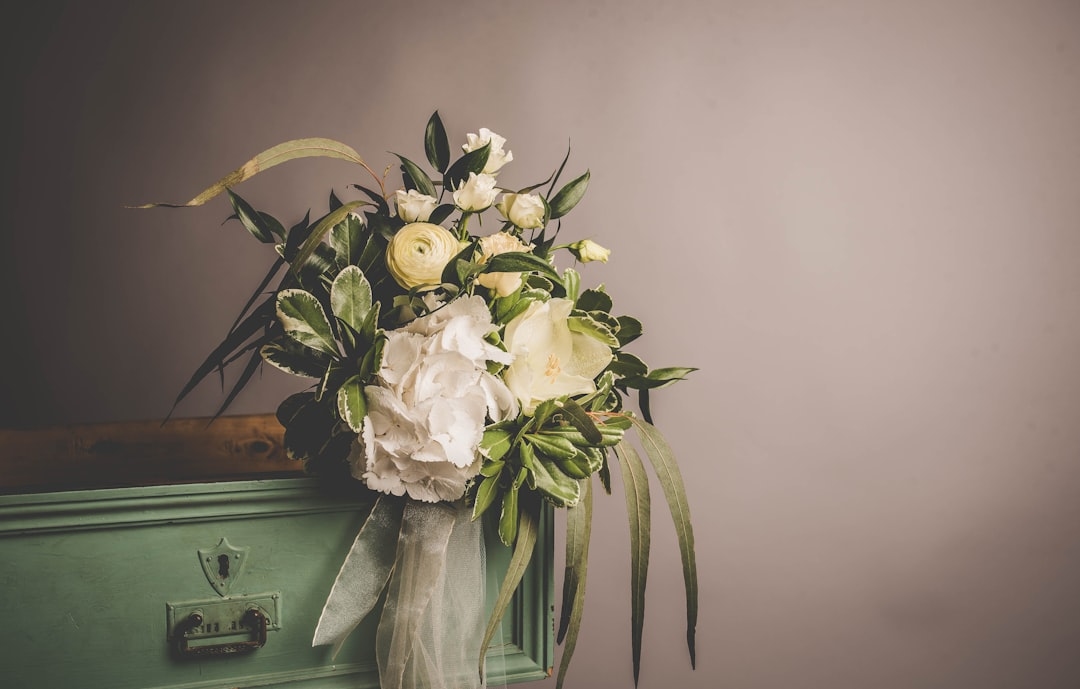
Many US nonprofits, like Repeat Roses (nationwide) and Random Acts of Flowers (Tennessee, Florida, Illinois), collect wedding flowers and deliver them to hospitals, senior homes, and shelters. As of 2026, Repeat Roses reports a 24% uptick in couple participation year-over-year. They’ll handle pickup for $395-$695, depending on market and volume, and provide tax deduction paperwork.
DIY Donation Steps
- Choose a Local Hospital/Shelter: Call ahead–most accept only unscented, non-toxic blooms in vessels.
- Prep Bouquets: Assign a family member or friend to gather and repackage arrangements post-reception.
- Transport Promptly: Same-night or early-morning delivery gives the best chance for flowers to delight new recipients.
Good To Know
Some states (like California and New York) have “Good Samaritan” donation laws that protect you legally when gifting leftover flowers, so long as they’re in good condition.
Common Pitfalls (and How to Dodge Them)
Top Mistakes Couples Make
- Assuming the Venue Will Handle It: Only 41% of US venues offer floral transition help as standard (source: WeddingWire Market Report 2026).
- Underestimating Timing: Trying to repurpose during photos or dinner often means flowers get left behind.
- Not Communicating with Vendors: Cake designers, photographers, and planners need to know the repurposing plan for seamless transitions.
- Choosing Only Fragile Flowers: Some blooms (hydrangea, peonies in heat) wilt fast–ask your florist to build with sturdy varieties for multi-use.
How to Avoid
Plan it out as early as menu tastings or linen selections. Make your repurposing plan part of every vendor contract and wedding-day timeline.
FAQ: Repurposing Wedding Flowers Day-Of
How much money can I save by repurposing my wedding flowers?
US couples typically save $800-$1,500 by reusing ceremony blooms for the reception. This cuts the total number of floral arrangements required, especially for large weddings or multiple event spaces.
What flowers hold up best for reuse during the wedding day?
Roses, orchids, calla lilies, carnations, and most greenery (like eucalyptus) last for 10-20 hours, even after being moved. Hydrangeas, tulips, and delicate field flowers tend to wilt fastest.
Can my florist handle all the flower repurposing on the wedding day?
Most florists in the US now offer repurposing as an add-on service, though some will need to charge extra for labor and transport. Always clarify “who moves what, when” at your final planning meeting.
Are there restrictions on donating wedding flowers after the event?
Some donation programs require certain flower types, vessel materials, or restrict delivery to refrigerated facilities. If you’re donating locally (e.g., to a hospital), call ahead to confirm guidelines and delivery hours.
How do I avoid flowers looking “recycled” or tired?
Choose modular designs, opt for hardy varieties, and work with your florist to plan refreshes (like removing wilted parts or recutting stems). Investing in a few new vases or ribbons for repurposed arrangements helps keep things looking fresh.
Make Your Blooms Go Further–Starting at Your Consultation
Arrangements can have second (and even third) acts–if you and your florist scheme early and creatively. Next time you’re dreaming up show-stopping installations or romantic bouquets, put “repurposing plan” on your must-have list. A little extra coordination could turn those sunset ceremony flowers into the star of your late-night dance floor, and give them a life after your wedding you can truly feel good about. Check with your florist about their latest repurposing strategies for 2026, and transform your vision into double the joy–no extra waste required.